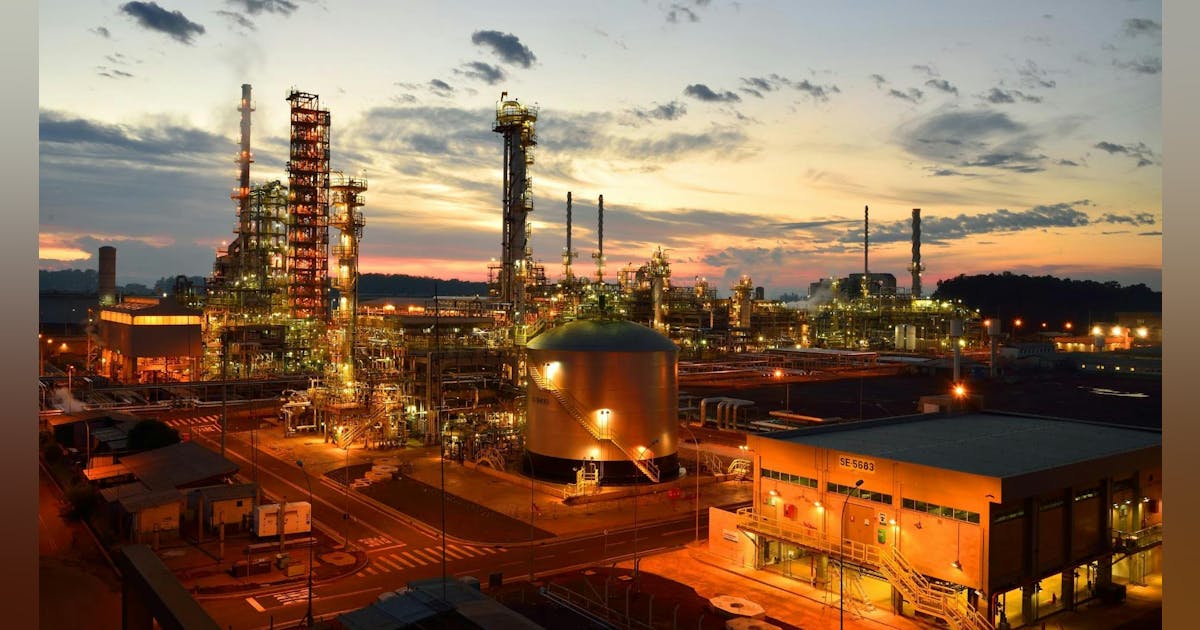
Petróleo Brasileiro S.A. (Petrobras) has significantly bolstered its downstream capabilities with the commissioning of a new diesel hydrotreater at Brazil’s largest refining complex, the 434,000-b/d Refinaria de Paulínia (REPLAN) in Paulínia, São Paulo. This strategic upgrade, which began operations on May 27, marks a pivotal moment for Brazil’s fuel market and underscores Petrobras’s commitment to modernizing its assets for enhanced profitability and environmental performance.
Driving Cleaner Fuels and Market Demand
The newly operational diesel hydrotreating unit is engineered to produce an impressive 63,000 barrels per day (b/d) of low-sulfur S-10 diesel, which contains just 10 parts per million (ppm) of sulfur. This advanced capacity directly prepares the REPLAN refinery for the complete discontinuation of S-500 diesel, a higher-sulfur variant with 500 ppm, aligning Brazil’s fuel standards with stricter global environmental regulations.
For investors, this transition is crucial. The production of S-10 diesel not only meets evolving environmental mandates but also caters to a growing market demand for cleaner fuels that reduce emissions from vehicle fleets. This move is expected to improve the refinery’s energy efficiency, thereby cutting operational costs and enhancing the environmental profile of both the facility and the vehicles utilizing its output. By proactively shifting to premium, low-sulfur products, Petrobras is positioning itself to capture higher margins and solidify its leadership in the domestic fuel supply chain, protecting its market share against future regulatory shifts and consumer preferences.
Fueling Aviation’s Future
Beyond its primary function of producing S-10 diesel, the versatile hydrotreater also possesses the capability to produce up to 21,000 b/d of jet fuel. This dual-purpose capacity is a significant development, as it allows Petrobras to address the increasing demand for aviation fuels while simultaneously adhering to more stringent specifications for economically and sustainably produced alternatives. The global aviation sector is under immense pressure to decarbonize, and a reliable supply of high-quality, lower-impact jet fuel from a major producer like Petrobras offers a strategic advantage.
This expansion into advanced jet fuel production diversifies REPLAN’s product portfolio and opens new revenue streams, particularly as air travel continues its post-pandemic recovery and environmental regulations tighten. For shareholders, this represents a smart capital allocation decision, leveraging existing infrastructure to tap into a high-growth, high-value segment of the energy market.
Operational Excellence and Financial Discipline
A notable aspect of this project is its exemplary execution. Petrobras confirmed that the REPLAN diesel hydrotreating project was completed and brought online three months ahead of its original schedule and crucially, within its approved budget. Such operational efficiency and financial discipline are key indicators for investors, reflecting strong project management capabilities and a commitment to maximizing capital expenditure effectiveness.
The REPLAN upgrade also incorporates an associated 150,000-cubic meter per day hydrogen recovery unit. This integration highlights a holistic approach to refinery modernization, aiming not only to produce cleaner fuels but also to optimize internal processes by recovering and reusing valuable resources like hydrogen. This contributes directly to improved energy efficiency and reduced operational costs, factors that directly enhance refining margins and bolster overall profitability for the state-controlled giant.
Strategic Vision for Refining Dominance
The commissioning of REPLAN’s new diesel hydrotreater is not an isolated event but a critical component of Petrobras’s broader 2024-28+ strategic plan. This ambitious five-year roadmap emphasizes the modernization of refining assets to ensure long-term competitiveness and sustainability within a global energy market actively transitioning towards lower-carbon solutions. The hydrotreater is one of several projects under this program specifically designed to elevate operational safety, enhance energy efficiency, and significantly reduce greenhouse gas emissions across Petrobras’s manufacturing facilities.
Petrobras has publicly stated its intention to invest approximately $15.2 billion over the next five years to expand its overall refining capacity. This substantial capital commitment is aimed at positioning its refineries among the world’s elite in terms of both efficiency and operational performance. For investors, this signifies a clear strategic direction: Petrobras is not merely maintaining its assets but aggressively investing to secure its future in a dynamic energy landscape. This includes a strong focus on ESG (Environmental, Social, and Governance) factors, which are increasingly important for attracting and retaining institutional investment.
Investor Outlook: Future Growth and Shareholder Value
The REPLAN expansion project, with its early completion, on-budget delivery, and focus on high-value, low-sulfur products, sends a strong positive signal to the market. It demonstrates Petrobras’s capability to execute large-scale projects efficiently and align its operations with global trends towards cleaner energy. The ability to produce both advanced diesel and jet fuel positions the company favorably in key domestic and international markets.
As Petrobras continues to roll out its $15.2 billion refining investment plan, shareholders can anticipate improved refining margins, enhanced operational resilience, and a strengthened market position. These strategic investments are designed to unlock greater shareholder value by ensuring Petrobras remains a dominant, efficient, and environmentally responsible player in the global oil and gas sector, capable of thriving amidst the ongoing energy transition.