The United States energy sector stands at a critical juncture, poised to leverage its abundant natural resources to meet escalating global demand, yet simultaneously grappling with significant domestic hurdles. For investors, understanding the interplay between surging energy consumption, infrastructure development, and policy frameworks is paramount. This analysis delves into the urgent necessity of permitting reform as a primary catalyst for unlocking the full potential of US energy growth, particularly for Liquefied Natural Gas (LNG) exports, and examines how current market dynamics and upcoming events shape the investment landscape.
The Imperative of Permitting Reform Amidst Surging Global Demand
Global power demand is experiencing an unprecedented surge across industrial, transportation, commercial, and residential sectors. The latest projections indicate a robust upward trajectory, with efficiency gains slowing and consumption rates accelerating. North America, Europe, and Asia are all contributing to this demand spike, creating a substantial opportunity for the U.S. to position itself as a crucial energy supplier. Specifically, the call for 100 gigawatts of firm power capacity within five years underscores a monumental need that renewables alone cannot realistically meet, solidifying natural gas-fired generation’s central role.
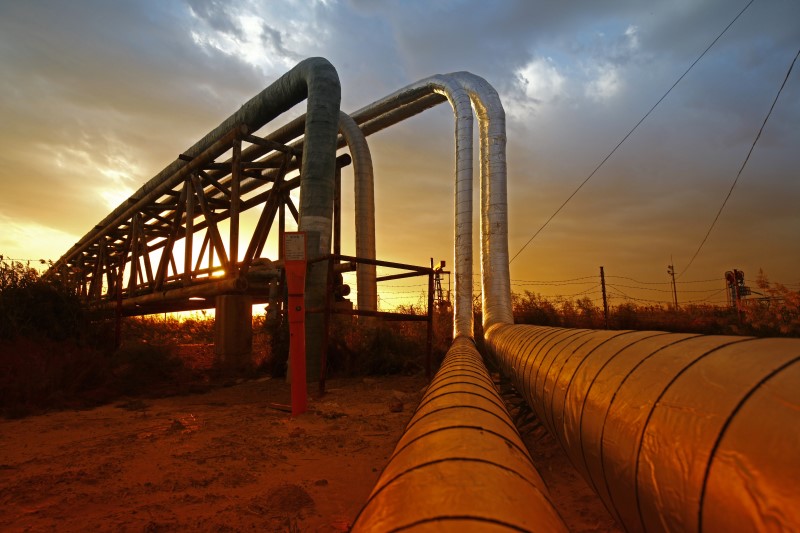
Texas, a vital hub for both power growth and LNG infrastructure, exemplifies this challenge with demand projections described as “off the charts.” However, the single greatest impediment to capitalizing on this opportunity is the protracted and complex permitting process. It currently takes over five, sometimes six, years to construct a gas pipeline in the United States. Such delays severely hamper the industry’s ability to build the critical infrastructure required to transport natural gas from production basins to export terminals and domestic power plants. The Energy Workforce & Technology Council (EWTC) highlights specific policy priorities to address this, including fixing and narrowing NEPA reviews, limiting judicial challenges, and accelerating approvals for vital energy infrastructure projects.
Market Volatility and Investor Sentiment: A Call for Stability
The current market environment underscores the urgent need for long-term policy stability. As of today, Brent Crude trades at $90.38, reflecting a significant 9.07% decline in a single day, within a daily range of $86.08-$98.97. WTI Crude mirrors this volatility, priced at $82.59, down 9.41%. This recent instability, with Brent having plummeted from $112.78 just weeks ago on March 30th, inevitably leads investors to question the future trajectory of energy markets. Our proprietary reader intent data reveals a strong focus on future price predictions, with many asking “what do you predict the price of oil per barrel will be by end of 2026?” and inquiring about the performance of specific companies like Repsol. Such market gyrations highlight the need for structural policy changes, like expedited permitting, that can provide a clearer path for supply growth and potentially offer a long-term hedge against short-term price swings, thereby de-risking future investments in US energy infrastructure.
This volatility also extends to refined products, with gasoline priced at $2.93, down 5.18% today. While these daily fluctuations are driven by numerous factors, including geopolitical events and immediate supply-demand shifts, the underlying investment thesis for large-scale infrastructure projects requires a more predictable regulatory environment. Permitting reform, by accelerating the development of export capacity and domestic supply chains, can instill greater confidence among investors by shortening project timelines and reducing regulatory uncertainties, ultimately contributing to a more stable and robust energy market outlook.
Navigating Policy Headwinds and Upcoming Catalysts
While there is broad bipartisan agreement on the necessity of permitting reform, partisan gridlock and the looming 2026 election cycle pose significant threats to progress. Industry leaders indicate a narrow window—specifically the next three months—to advance meaningful permitting legislation before campaign pressures intensify. For investors, this creates a time-sensitive opportunity to monitor legislative developments closely, as successful reform would unlock substantial capital deployment into infrastructure projects.
Upcoming energy events will provide critical signals for the market, even as the longer-term policy debate unfolds. The OPEC+ Ministerial Meeting on April 19th will set the tone for global crude supply, while the API Weekly Crude Inventory reports on April 21st and April 28th, followed by the EIA Weekly Petroleum Status Reports on April 22nd and April 29th, will offer immediate insights into U.S. crude, gasoline, and distillate stockpiles. These data points, combined with the Baker Hughes Rig Count on April 24th and May 1st, provide a granular view of current supply-side activity. However, the true impact of these short-term indicators on the long-term investment thesis for US energy hinges on the ability to build and expand capacity. Permitting reform is the linchpin that connects these immediate market signals to the potential for sustained growth in U.S. production and export capabilities, ultimately shaping the investment landscape beyond the next few weeks and influencing how companies can respond to global demand shifts.
Strengthening the Workforce: The Unsung Pillar of Energy Growth
Even with significant permitting reform, the ambitious goals for US energy growth cannot be realized without a robust and skilled workforce. As of August 2025, the U.S. oilfield services sector employed 628,000 individuals, but the industry faces a persistent challenge: retirements continue to outpace new entrants, leading to highly competitive skilled technical positions. This creates a critical bottleneck, as the expansion of pipeline networks, LNG terminals, and other vital infrastructure requires a continuous supply of engineers, technicians, and field operators.
Despite these challenges, the sector has demonstrated workforce stability since 2023, largely attributed to disciplined capital allocation by industry players. Employers are actively implementing initiatives to improve retention and attraction, including flexible field scheduling, transparent succession planning, and empowering frontline supervisors. However, state-level policy challenges in restrictive jurisdictions, such as California, continue to limit growth potential and exacerbate workforce shortages in key areas. For investors, assessing a company’s commitment to workforce development and its ability to navigate regional labor markets is increasingly important. A strong workforce is not merely an operational detail; it is a fundamental prerequisite for executing the large-scale projects that permitting reform aims to enable, directly impacting project timelines and overall capital efficiency.