Navigating the Volatile Energy Landscape: Pemex’s Unpaid Bills Signal Deepening Investor Risk
The global energy sector continues its relentless evolution, presenting both opportunities and significant challenges for discerning investors. Market participants are diligently tracking everything from the resilience of power grids to the strategic pivots of major corporations. Recent events, such as a widespread power outage crippling transport and communication networks across Spain and Portugal, serve as a stark reminder of the critical importance of robust infrastructure and reliable energy supply.
Amidst this dynamic backdrop, leading European oil and gas titans like Shell, BP, and Equinor are recalibrating their portfolios. Under direct shareholder pressure to prioritize profitability, these majors are strategically scaling back certain low-carbon initiatives to sharpen their focus on more lucrative traditional hydrocarbon ventures. In a notable counter-move, ExxonMobil, which once critiqued rivals’ clean energy pursuits, now positions itself to potentially outspend them in low-carbon investments. However, the ambitious scope of its hydrogen, carbon capture, and lithium projects faces inherent uncertainty from potential legislative shifts impacting crucial U.S. tax breaks, adding a layer of regulatory risk for investors to consider.
The broader industry outlook suggests a challenging period ahead, with many forecasters anticipating a third consecutive year of declining profits – a downturn not witnessed since the initial onset of the pandemic. Plummeting crude prices and persistent trade uncertainties are squeezing margins across the board, inevitably shaking investor confidence. Within this turbulent environment, one particular concern looms large for energy sector investors: the escalating financial distress of Petróleos Mexicanos, or Pemex.
Pemex’s Accumulating Debt: A Red Flag for Capital Markets
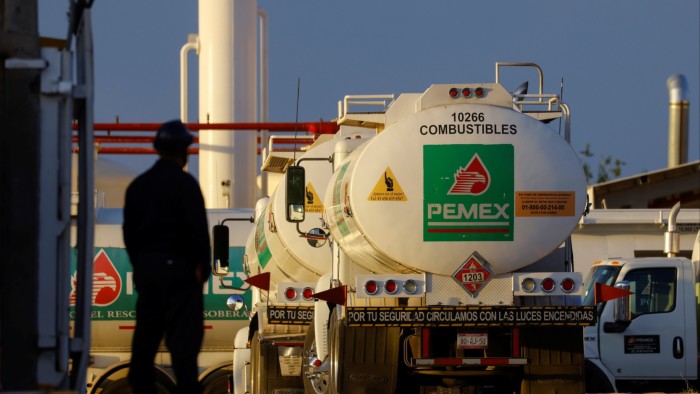
Mexico’s state-owned oil behemoth, Pemex, has long held the unenviable distinction as the world’s most indebted oil company. Its financial debt has surged consistently over the past decade, currently hovering around a staggering $100 billion. While this colossal sum has remained a persistent red flag for bondholders and equity investors alike, a parallel crisis has significantly intensified, introducing an additional layer of severe risk: its ballooning supplier debt.
At the close of 2018, Pemex’s obligations to its extensive network of suppliers stood at approximately $7.6 billion. A rapid and alarming escalation has followed, with this figure projected to explode to an astonishing $25 billion by the end of 2024. This dramatic increase is not merely an accounting entry; it represents more than 10 percent of the company’s total liabilities, signaling profound liquidity challenges and intensifying operational strain. For investors, this trajectory points directly to a fundamental weakening of Pemex’s financial structure and its capacity to sustain crucial operational integrity and deliver consistent output.
Operational Paralysis and Widespread Economic Contagion
The repercussions of Pemex’s overdue payments extend far beyond the confines of its balance sheet, creating tangible and severe economic distress in key regions of Mexico. Cities along the Gulf of Mexico, such as Ciudad del Carmen and Coatzacoalcos, which rely heavily on Pemex’s economic activity and spending, are experiencing acute ripple effects. Reports from these areas paint a grim picture, detailing widespread layoffs and the closure of numerous smaller, local suppliers who simply cannot withstand the prolonged payment delays.
This economic fallout directly impacts Pemex’s own operational capacity. A stressed and financially struggling supply chain inevitably leads to disruptions in vital services, delays in equipment procurement, and an inability to conduct essential maintenance or execute critical projects. This scenario creates a dangerous feedback loop: financial instability cripples operations, which in turn jeopardizes production and revenue generation, further exacerbating the financial woes. Investors must recognize that a company unable to pay its vendors will ultimately struggle to maintain its core business functions, posing a significant threat to long-term value creation.
The accumulating supplier debt not only threatens Pemex’s immediate operations but also casts a long shadow over its future creditworthiness and investment appeal. As the company grapples with these mounting liabilities, its ability to secure new financing or refinance existing debt on favorable terms becomes increasingly challenging, potentially driving up its cost of capital. For those invested in Mexico’s energy sector, or even the broader sovereign debt, Pemex’s deepening financial crisis represents a systemic risk demanding close and continuous monitoring. The question for investors is not just about Pemex’s balance sheet, but about the systemic implications for Mexico’s oil production and its economic stability.