Europe’s Heating Revolution: A $348M Investment with Deep Implications for Oil & Gas Investors
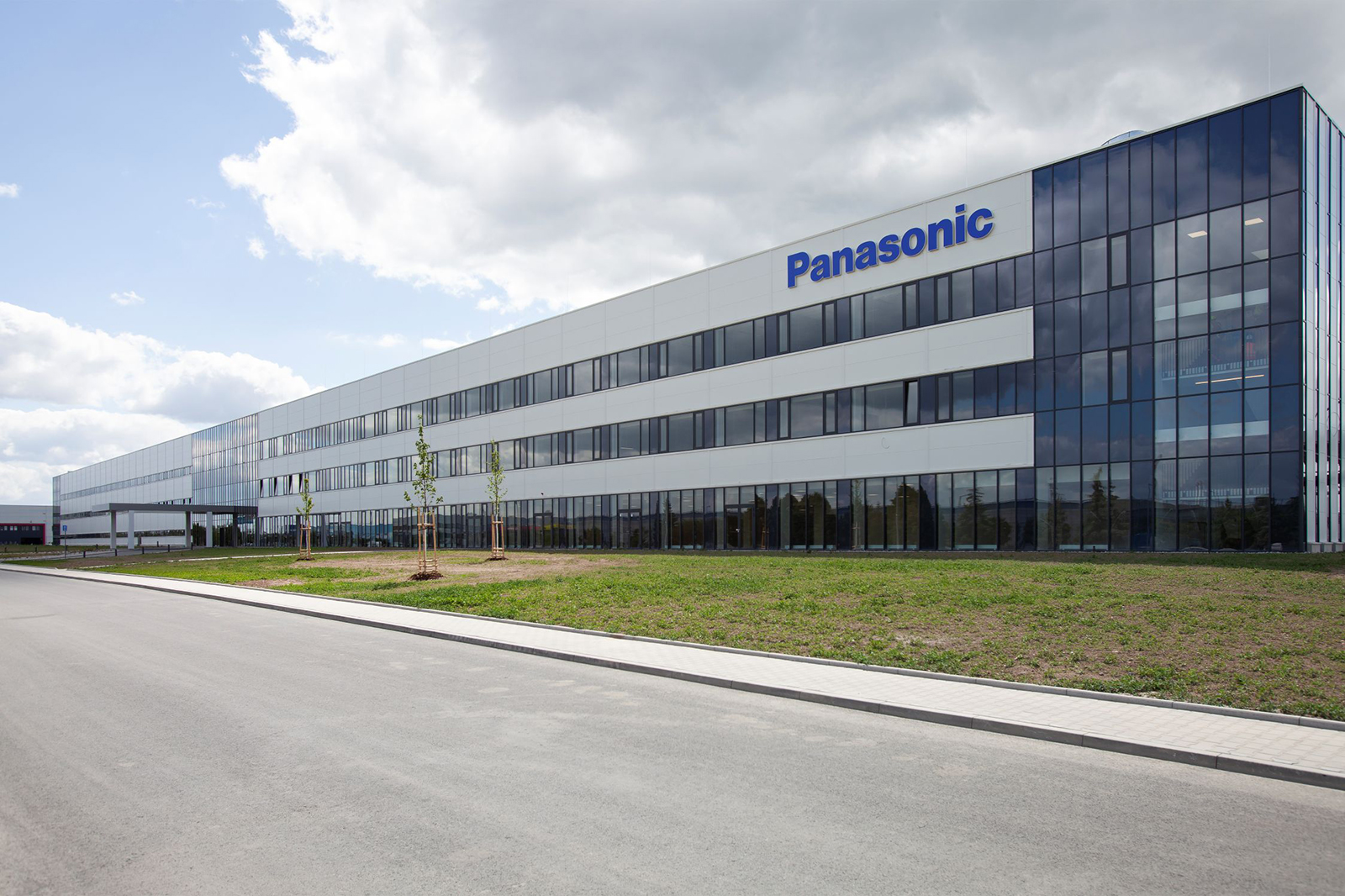
Panasonic’s recent $348 million expansion of its Pilsen, Czech Republic heat pump facility is more than just a headline about industrial growth; it’s a potent signal of Europe’s accelerating energy transition, carrying significant implications for oil and gas investors. This strategic pivot to establish a major European manufacturing and R&D hub for heat pumps, targeting 1.4 million units annually by 2030, underscores a fundamental shift in energy demand that traditional fossil fuel markets must contend with. For investors focused on the long-term trajectory of crude oil and natural gas, understanding the ripple effects of such investments is crucial for navigating future market dynamics and identifying emerging opportunities.
The Decarbonization Drive: Reshaping European Energy Demand
The scale of Panasonic’s commitment to European heat pump production cannot be overstated. By aiming for 1.4 million units annually by 2030, the company is directly addressing the continent’s ambitious decarbonization goals, particularly in the heating sector. Heat pumps, which offer a highly efficient, electric-powered alternative to traditional gas boilers, are poised to significantly reduce Europe’s reliance on natural gas for residential and commercial heating. This massive investment not only boosts regional supply resilience by localizing manufacturing from Southeast Asia but also directly contributes to a substantial reduction in future fossil fuel demand. For oil and gas investors, this represents a structural headwind for natural gas consumption in a key market, necessitating a re-evaluation of long-term demand forecasts and potential impacts on gas prices and infrastructure investments.
Navigating Volatility: Traditional Energy Markets in Transition
The backdrop to this long-term energy transition is a market characterized by pronounced short-term volatility. As of today, Brent crude trades at $90.38, down 9.07% within a day range of $86.08 to $98.97, while WTI crude stands at $82.59, marking a 9.41% decline. This sharp intraday movement extends a broader trend, with Brent having shed $20.91, or 18.5%, from $112.78 just two weeks prior on March 30th. Such fluctuations highlight the immediate impact of geopolitical events and supply-side news. However, the consistent flow of investments into alternative energy solutions, exemplified by Panasonic’s move, contributes to a fundamental, long-term uncertainty in demand for fossil fuels. Many investors are asking about the trajectory of crude oil prices, with a common question being what the price of oil per barrel will be by the end of 2026. While short-term prices remain susceptible to supply-side shocks and inventory reports, the increasing adoption of technologies like heat pumps suggests a persistent downward pressure on demand growth over the medium to long term, influencing the ceiling on future price appreciation.
Strategic Adaptation for Oil & Gas Majors Amidst Shifting Investor Priorities
The energy transition is compelling traditional oil and gas companies to adapt their strategies, and investors are keenly watching their responses. Questions about the performance of major players, such as how specific companies might fare in the current climate, reflect a desire for clarity on how these giants plan to thrive. Panasonic’s investment, building a Net Zero factory powered by renewables and integrating advanced R&D, sets a benchmark for sustainable operations and technological innovation. For oil and gas majors, this signals the imperative to diversify portfolios, invest in carbon capture, utilization, and storage (CCUS), hydrogen, or even develop their own renewable energy arms. Those companies that proactively embrace the transition, focusing on lower-carbon energy solutions and operational efficiencies, will likely be better positioned to attract capital and generate sustainable returns in an evolving energy landscape. The strategic shift of production and R&D to Europe also aligns with an increasing investor focus on supply chain resilience and ESG factors.
Upcoming Catalysts: OPEC+ and the Future of Supply Management
Against this backdrop of evolving demand, the immediate future for oil and gas markets will also be shaped by critical supply-side decisions. Investors are particularly focused on OPEC+ and their current production quotas, with the next OPEC+ Joint Ministerial Monitoring Committee (JMMC) meeting scheduled for tomorrow, April 18th, followed by the Full Ministerial meeting on April 19th. These gatherings are crucial for assessing how major producers plan to manage global crude supply in the face of persistent volatility and the accelerating energy transition. Subsequent data points, including the API Weekly Crude Inventory reports on April 21st and April 28th, and the EIA Weekly Petroleum Status Reports on April 22nd and April 29th, will provide further insights into the immediate supply-demand balance in the U.S. market. While OPEC+ decisions can influence short-term price stability, the long-term trajectory of demand, influenced by initiatives like Panasonic’s heat pump expansion, will increasingly challenge their ability to maintain elevated prices without risking further demand destruction. Astute investors will monitor these events not just for their immediate price impact, but for signals on how producers are adapting to a world slowly but surely moving beyond peak fossil fuel demand.


