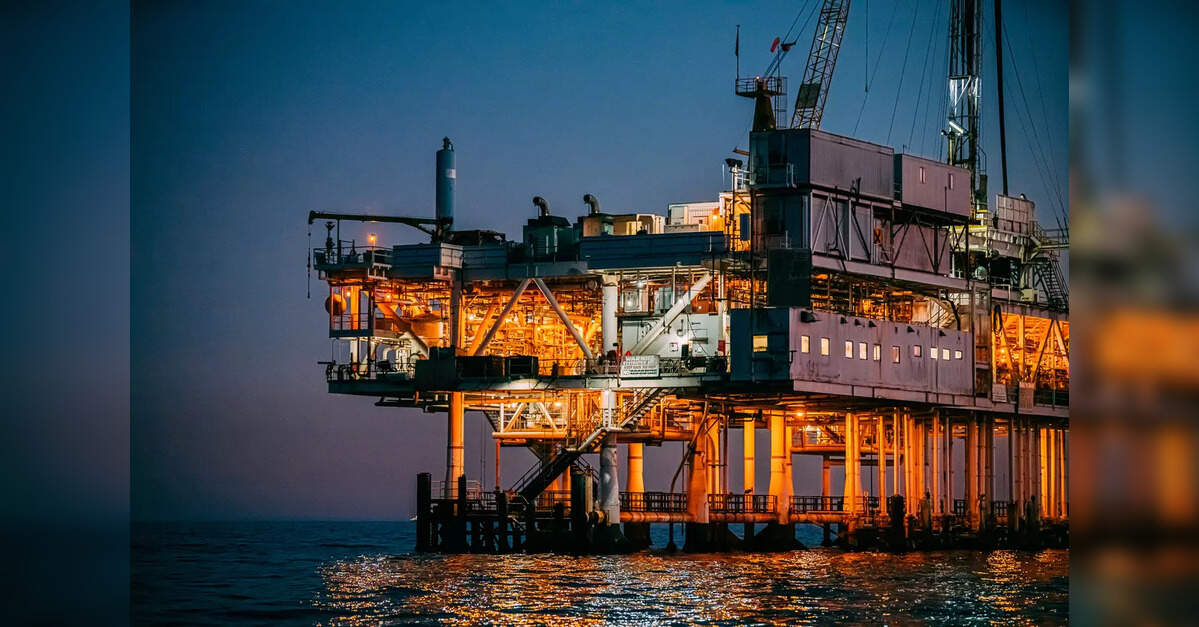
The strategic alignment between Pakistan and Russia is deepening, with both nations actively exploring significant agreements across the energy and industrial sectors. These discussions, encompassing potential oil-sector cooperation in exploration, production, and refining, alongside the prospect of a new steel plant, represent a calculated move by Pakistan to secure diversified, cost-effective energy supplies and bolster its industrial base. For Russia, these overtures offer vital new market avenues and partnership opportunities in the wake of Western sanctions. This evolving relationship is not merely transactional; it signals a broader geopolitical realignment with profound implications for global energy markets and investor considerations.
Geopolitical Imperatives Driving Bilateral Engagement
Pakistan’s push for enhanced engagement with Russia is fundamentally driven by its pressing need for affordable energy imports. The country began purchasing Russian crude in 2023, a direct consequence of a global energy landscape reshaped by sanctions and shifting supply chains. This strategy allows Pakistan to potentially lower its import costs, thereby easing economic pressures and enhancing energy security. For Russia, the imperative is equally clear: to diversify its energy export destinations and forge new economic partnerships outside traditional Western markets. The discussions extend beyond mere crude supply, delving into the intricacies of wider cooperation in exploration, production, and refining. This holistic approach suggests a long-term commitment from both sides to build robust, integrated energy infrastructure, with Russian companies potentially involved in upgrading existing refineries in Pakistan. Such initiatives could significantly alter regional energy dynamics, creating new avenues for investment but also introducing complex geopolitical risks.
Oil Sector Development Amidst Market Volatility
The potential oil-sector agreements between Pakistan and Russia come at a particularly dynamic time for global crude markets. As of today, Brent crude trades at $91.87 per barrel, reflecting a sharp single-day decline of 7.57%, with its daily range spanning from $86.08 to $98.97. WTI crude mirrors this volatility, priced at $84 per barrel, down 7.86% today. This daily plunge follows a broader downward trend seen over the past two weeks, where Brent shed $14, or 12.4%, from $112.57 on March 27 to $98.57 on April 16. This significant price depreciation underscores the inherent risks and opportunities in long-term energy infrastructure investments. While lower crude prices might initially reduce the cost burden for an importing nation like Pakistan, they also impact the profitability of exploration and production ventures. The ongoing discussions about upgrading refineries and expanding refining capacity in Pakistan are particularly salient in this environment. Enhanced domestic refining capabilities could shield Pakistan from some of the volatility in refined product prices, such as gasoline, which currently sits at $2.95 per gallon, down 4.85% today. Investors must critically assess how these projects fit into a market characterized by both supply-side pressures and demand fluctuations.
Industrial Ambitions and Long-Term Value Creation
Beyond the immediate energy considerations, the exploration of building another steel plant in Pakistan highlights a broader industrial cooperation agenda. Russia possesses significant expertise in heavy industry and infrastructure development, making it a natural partner for such projects. For Pakistan, expanding its steel production capacity would be a crucial step towards industrialization, supporting domestic construction, manufacturing, and job creation. This initiative, coupled with the energy agreements, suggests a strategic vision for comprehensive economic partnership. Investors should view these developments not in isolation, but as interconnected components of a long-term strategy. Reliable and affordable energy supplies are fundamental to powering industrial growth, and a robust steel sector, in turn, provides essential materials for energy infrastructure development. The synergy between these sectors could unlock substantial value over the coming decades, creating opportunities for ancillary industries and foreign direct investment, albeit with the typical long lead times and capital intensity associated with such ventures.
Navigating Future Market Signals: An Investor’s Outlook
Investors keenly monitor the factors shaping future oil prices, with a recurring question this week being “What do you predict the price of oil per barrel will be by end of 2026?” While precise predictions are challenging, the immediate market direction hinges significantly on upcoming events. The OPEC+ Joint Ministerial Monitoring Committee (JMMC) meeting today, April 17, followed by the full Ministerial Meeting tomorrow, April 18, will be pivotal. Decisions regarding production quotas will directly influence global supply levels and, consequently, crude prices. Any unexpected changes to current quotas, or even a strong affirmation of existing policies, could trigger significant market movements. Furthermore, the weekly API and EIA crude inventory reports scheduled for April 21 and 22, respectively, will provide crucial insights into short-term supply-demand balances in the United States, a key global consumer. For investors considering exposure to the Pakistan-Russia energy and industrial deals, understanding these market signals is paramount. Long-term commitments to refining upgrades or new exploration blocs will be more attractive if the outlook for crude prices and regional demand remains stable or improves. Conversely, sustained volatility or downward pressure on prices could introduce headwinds. The Baker Hughes Rig Count, due on April 24 and again on May 1, will offer a glimpse into future production trends in North America, adding another layer to the complex tapestry of supply-side analysis. These forthcoming data points and policy decisions will collectively inform the viability and profitability of the ambitious projects currently under discussion between Pakistan and Russia.


