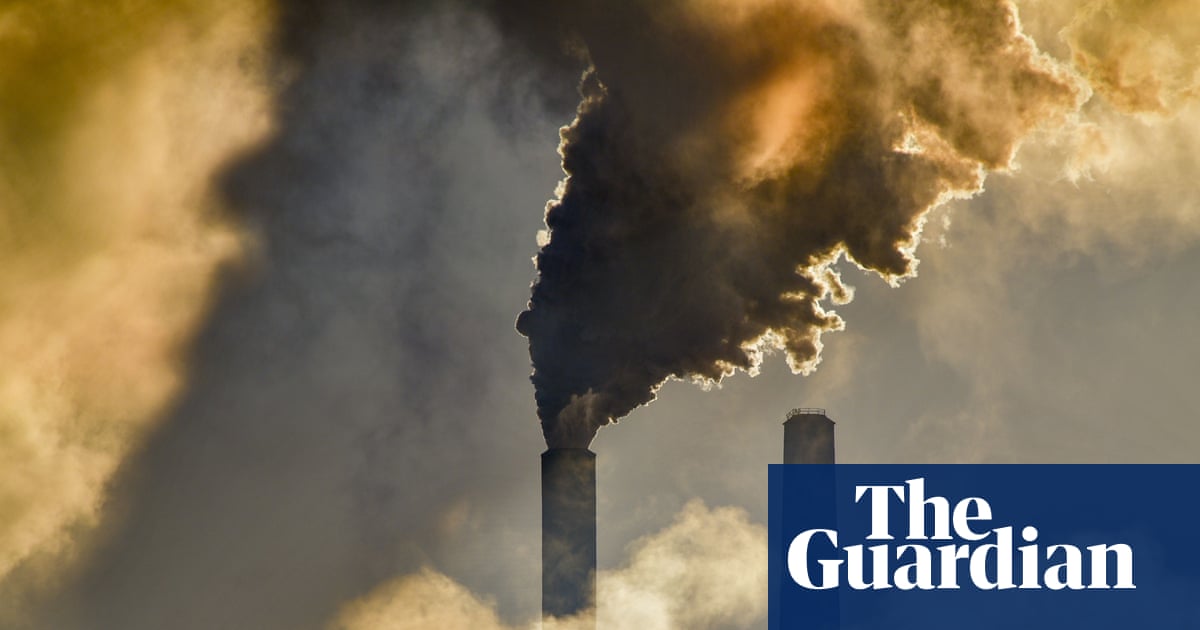
A recent analysis highlighting the stark carbon emissions disparity between the super-rich and the global poor presents a critical lens for oil and gas investors. The findings, revealing that the wealthiest 0.1% of the US population emit CO2 at 4,000 times the rate of the world’s poorest 10%, underscore a growing pressure point for climate policy and ESG considerations within the energy sector. This chasm, fueled by lavish lifestyles and significant investments in high-impact industries, is not merely a social justice issue; it’s a rapidly escalating financial risk that demands immediate attention from those navigating the complexities of energy markets and long-term capital allocation.
The Concentrated Carbon Footprint and Emerging Investment Headwinds
The data paints a stark picture of carbon inequality, directly implicating the investment landscape. The wealthiest 0.1% in the US alone account for an average of 2.2 tonnes of CO2 emissions daily, a figure dwarfing the mere 82 grams emitted by a citizen in Somalia. This disproportionate impact is further compounded by investment choices: nearly 60% of billionaire investments are channeled into high climate-impact sectors, including mining and oil and gas companies. This is an 11 percentage point increase compared to the average investor. This concentration of emissions and capital in polluting industries has critical implications for long-term valuations and regulatory frameworks. As our proprietary reader intent data reveals, investors are increasingly scrutinizing the sustainability of their portfolios, with questions like “How well do you think Repsol will end in April 2026?” reflecting a direct concern about individual company performance under evolving ESG pressures. The report’s assertion that 308 global billionaires collectively contribute emissions equivalent to the world’s 15th most polluting country amplifies the potential for targeted policy responses, which could reprice assets across the energy value chain.
Market Volatility Amidst Mounting Policy Pressure
This evolving narrative of carbon inequality intersects with a period of significant market volatility. As of today, Brent Crude trades at $90.38, reflecting a notable decline of 9.07% within the day, with its range spanning $86.08 to $98.97. Similarly, WTI Crude stands at $82.59, down 9.41% for the day, having traded between $78.97 and $90.34. Gasoline prices have also seen a downturn, currently at $2.93, a 5.18% decrease. This recent weakness is part of a broader trend: our proprietary data shows Brent Crude has fallen from $112.78 on March 30, 2026, to its current $90.38 on April 17, 2026, representing a substantial 19.9% drop. While immediate market drivers certainly play a role in these price movements, the long-term implications of reports highlighting extreme carbon inequality cannot be overlooked. The increasing visibility of how “lavish lifestyles of superyachts, private jets and vast mansions often combine with investments in polluting industries” could fuel public and governmental calls for more stringent climate policies. Such policies, whether through carbon taxes, stricter emissions standards, or divestment pressures, would inevitably impact demand projections and operational costs for oil and gas companies, potentially exacerbating future price volatility and challenging traditional investment theses.
Upcoming Events and the Shadow of Climate Policy
Investors must consider how upcoming energy calendar events might interact with the rising tide of climate policy advocacy. The immediate focus for many will be on the OPEC+ JMMC Meeting on April 19, 2026, followed by the OPEC+ Ministerial Meeting on April 20, 2026. These gatherings are crucial for understanding near-term supply dynamics and production quotas, a topic frequently raised by our readership, with queries like “What are OPEC+ current production quotas?” indicating high investor interest. In the subsequent days, the API Weekly Crude Inventory reports (April 21, April 28) and the EIA Weekly Petroleum Status Reports (April 22, April 29) will offer vital snapshots of US supply and demand. Furthermore, the Baker Hughes Rig Count on April 24 and May 1 will provide insights into drilling activity. While these events typically focus on short-term market fundamentals, the broader context of impending climate summits like COP30, as referenced in the analysis, means that the specter of long-term policy shifts hangs over every short-term decision. The potential for increased regulatory scrutiny, spurred by revelations of concentrated emissions and wealthy individuals actively “funding and profiting from climate destruction,” could influence future OPEC+ strategies as well, as major producers grapple with long-term demand erosion scenarios.
Navigating ESG Risks and Future-Proofing Energy Investments
The core message from the analysis is unequivocal: “The climate crisis is an inequality crisis,” and the unchecked power of the wealthiest individuals to “deny, delay and distract from emissions reductions” creates dangerous feedback loops for the global economy and, critically, for energy investments. This directly translates into heightened ESG risks for oil and gas companies. Investors must now contend with a dual challenge: managing the inherent volatility of commodity markets while simultaneously assessing the rapidly evolving regulatory and social landscape. Companies with significant exposure to “high climate-impact sectors” and those perceived as enabling the lifestyles of the carbon-guzzling elite could face increased regulatory burdens, litigation risks, and reputational damage. As investors look to the end of 2026 and beyond, questions like “what do you predict the price of oil per barrel will be by end of 2026?” become intrinsically linked to the efficacy of global climate policy responses. Prudent investment strategies will increasingly involve deep dives into corporate ESG frameworks, an assessment of a company’s true commitment to decarbonization beyond mere rhetoric, and a clear understanding of exposure to the legislative and public sentiment shifts fueled by reports like this. The era of ignoring the social dimensions of climate change in investment decisions is rapidly coming to an end.


