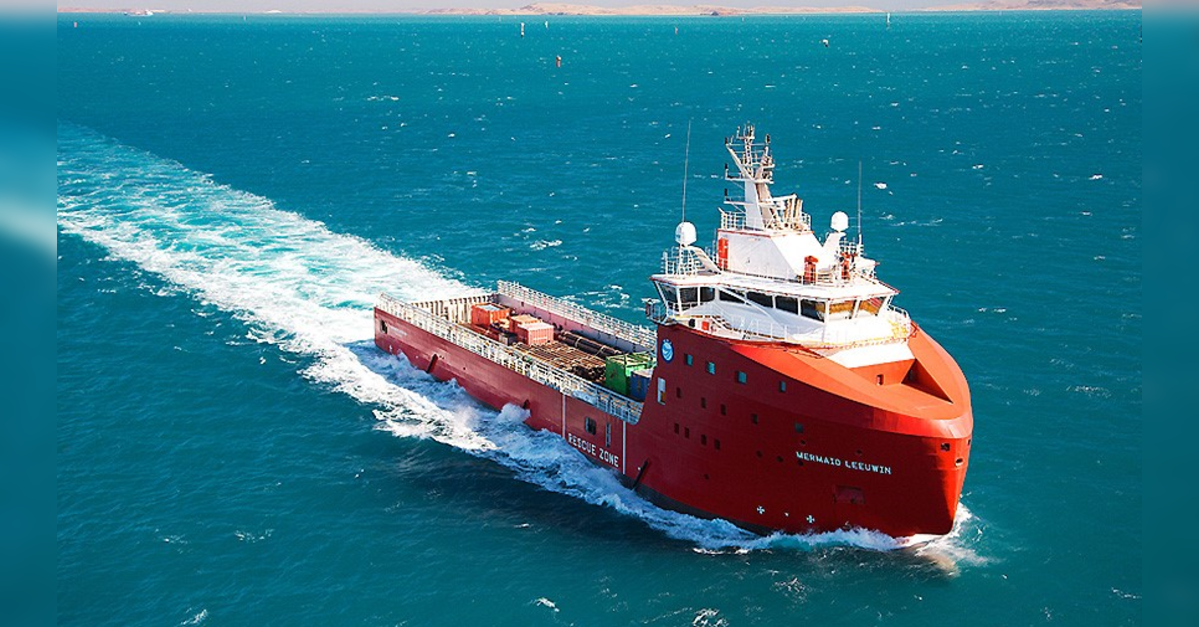
India’s largest oil and gas explorer, Oil and Natural Gas Corporation Ltd (ONGC), is embarking on a pivotal strategic initiative: commissioning four Platform Supply Vessels (PSVs) from domestic public sector shipyards. This move transcends a mere procurement decision; it represents a calculated maneuver to bolster India’s indigenous shipbuilding capabilities while simultaneously fortifying ONGC’s operational resilience against the inherent volatility of global energy markets. For investors, this dual-pronged approach signals a commitment to long-term stability and strategic asset ownership, a critical factor in today’s dynamic oil and gas landscape.
Strategic Imperative: Hedging Against Market Volatility
ONGC’s decision to own PSVs, rather than solely rely on the charter market, is a direct response to the turbulent nature of offshore vessel hire rates and availability. As of today, the energy markets are exhibiting significant price swings, underscoring the very volatility ONGC aims to mitigate. Brent Crude currently trades at $90.38, marking a sharp 9.07% decline today, while WTI Crude stands at $82.59, down 9.41%. This daily downturn follows a more pronounced trend observed over the past two weeks, where Brent plunged from $112.78 on March 30th to $91.87 by April 17th, representing an 18.5% drop. Such dramatic fluctuations in crude prices often correlate with shifts in charter rates for support vessels, impacting operational expenditures for explorers. By acquiring these essential logistics and support vessels, ONGC aims to de-risk its extensive offshore exploration and production activities. The cost for a new PSV can range significantly, from $15 million for a small-to-medium sized vessel up to $53.6 million or more for a large (4,500 dwt) unit, reflecting a substantial capital commitment designed to yield long-term operational cost savings and strategic independence.
India’s Shipbuilding Renaissance and Broader Energy Security
Beyond ONGC’s immediate operational gains, this investment is a cornerstone of a larger government-mandated plan to invigorate India’s domestic shipbuilding industry. The mandate extends far beyond these initial four PSVs; a joint working group has identified a requirement for approximately 112 ships over the next 10-15 years for state-run oil companies. This includes a significant pipeline of 30 Medium Range oil tankers and 24 Very Large Gas Carriers (VLGCs), alongside other offshore vessels. Public sector shipyards such as Cochin Shipyard Ltd, Hindustan Shipyard Ltd, Mazagon Dock Shipbuilders Ltd, and Garden Reach Shipbuilders and Engineers Ltd are currently in preliminary discussions with ONGC. This initiative not only promises a substantial boost for these yards in terms of order books and technological advancement but also reinforces India’s energy security by reducing reliance on foreign-flagged or overseas-built vessels. As ONGC and Indian Oil Corporation Ltd prepare to lead the charge in floating tenders, the long-term implications for local job creation, industrial growth, and the strategic independence of India’s energy sector are profound.
Navigating Market Dynamics: Addressing Investor Concerns
Investors in the oil and gas sector are consistently focused on long-term price stability, supply dynamics, and company resilience. Our proprietary reader intent data reveals active investor questions around “what do you predict the price of oil per barrel will be by end of 2026?” and “what are OPEC+ current production quotas?” ONGC’s strategic move to own critical offshore support assets directly addresses the underlying concerns driving these questions. In an environment where predicting year-end oil prices remains challenging and OPEC+ production decisions heavily influence supply, operational certainty becomes a premium. By securing vessel availability and hedging against fluctuating charter rates, ONGC strengthens its operational backbone, making its long-term exploration and production projects more predictable and less susceptible to external market shocks. This asset ownership strategy allows ONGC to maintain its operational tempo irrespective of short-term market turbulence or shifts in global supply dynamics, enhancing its appeal as a resilient investment in the energy space.
The Road Ahead: Upcoming Events and Future Impact
The coming weeks hold several critical energy events that will shape the broader market context for ONGC’s strategic investments. This Saturday, April 18th, marks the OPEC+ Joint Ministerial Monitoring Committee (JMMC) meeting, followed by the full Ministerial Meeting on Sunday, April 19th. Decisions emanating from these gatherings regarding production quotas will significantly influence crude oil price trajectories and, by extension, the economic environment for global explorers like ONGC. Furthermore, the API Weekly Crude Inventory reports on April 21st and 28th, coupled with the EIA Weekly Petroleum Status Reports on April 22nd and 29th, will offer crucial insights into current demand and supply balances. On the operational front, the Baker Hughes Rig Count, scheduled for April 24th and May 1st, will provide an indicator of drilling activity, particularly in offshore basins, directly correlating with the demand for vessels such as PSVs. As ONGC prepares to float its limited purpose tender for these four PSVs, and with the broader 112-ship program on the horizon, these upcoming market signals will continue to inform the strategic value and timing of such large-scale asset acquisitions, further validating ONGC’s foresight in securing essential operational capabilities.


