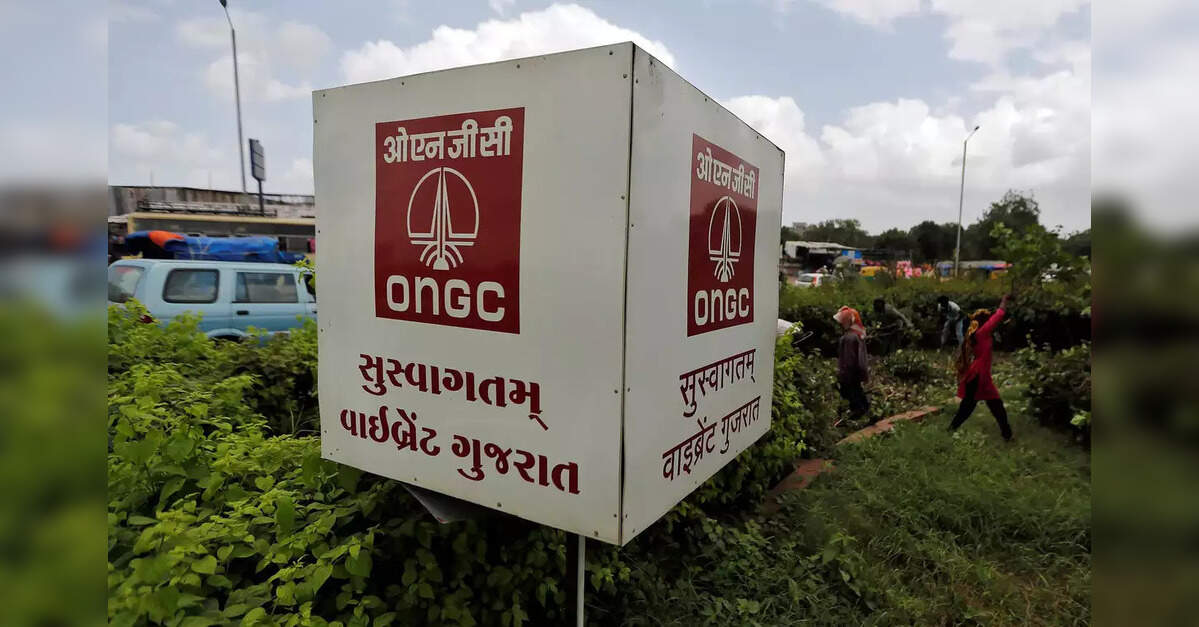
Oil and Natural Gas Corporation (ONGC) is embarking on a significant upstream development in Andhra Pradesh, earmarking over ₹4,600 crore for oil and gas exploration and production in the Konaseema District. This substantial capital commitment underscores India’s drive for enhanced energy security and ONGC’s strategic focus on monetizing discovered reserves. However, the project, which includes drilling 10 development wells and establishing crucial new infrastructure, is currently navigating a complex regulatory landscape, facing repeated deferrals for environmental clearance. For investors, this initiative presents a dual narrative of long-term potential tempered by immediate execution risks and the broader volatility of global commodity markets.
ONGC’s Strategic Bet on Domestic Resources
ONGC’s ₹4,600 crore investment in Andhra Pradesh represents a critical pillar in its strategy to bolster domestic hydrocarbon production. The project is an integral component of the Discovered Small Field-III (DSF-III) program, under which ONGC secured contracts for two key offshore blocks, KG/OSDSF/CHANDRIKA/2021 and KG/OSDSF/GS49/2021, in September 2022. The ambitious scope encompasses the construction of two unmanned platforms, the installation of an offshore pipeline network, and the development of an onshore gas processing facility located at the Odalarevu Terminal. This infrastructure is designed to unlock significant value from the region’s hydrocarbon potential. Beyond the direct energy output, the project is projected to create substantial socioeconomic benefits, generating approximately 150 direct and an additional 310 indirect employment opportunities, reflecting a broader commitment to regional development.
Navigating Environmental Hurdles and Investor Scrutiny
A key challenge for this pivotal project lies in securing environmental clearance from the Ministry of Environment and Forests. The proposal has faced scrutiny from the Ministry’s Experts Appraisal Committee (EAC) on multiple occasions. Initially considered in February, the EAC deferred its decision, requesting more information from ONGC. In its most recent meeting on July 24, the committee once again deferred the proposal, demanding a comprehensive biodiversity assessment to fully evaluate the environmental impact of the planned drilling activities. Furthermore, the EAC has called for a detailed environmental restoration action plan, complete with a dedicated budget, to mitigate potential ecological disruptions. ONGC has already provisioned ₹14 crore as a capital cost for its Environmental Management Plan, with an additional recurring annual cost of ₹3 crore, demonstrating its commitment to environmental stewardship. However, these ongoing deferrals highlight the heightened environmental consciousness surrounding large-scale industrial projects and the potential for regulatory delays to impact project timelines and capital expenditure schedules. Investors are closely watching how ONGC addresses these requirements, as efficient navigation of these hurdles is crucial for the project’s long-term viability and return profile.
Market Dynamics and Investor Sentiment in a Volatile Landscape
The commitment to such a large-scale project by ONGC comes amidst a dynamic global energy market, where price movements and supply-demand fundamentals dictate investment appetite. As of today, Brent crude trades at $99.75 per barrel, marking a robust 5.08% gain from its opening, having recently touched a daily low of $94.42. This rebound follows a challenging two weeks, where Brent shed over 12% from $108.01 on March 26 to $94.58 on April 15, illustrating the extreme volatility inherent in crude markets. For an upstream project like ONGC’s, these price swings directly influence long-term revenue projections and internal rates of return. Our reader intent data reveals investors are keenly asking about the base-case Brent price forecast for the next quarter and the consensus 2026 outlook. This long-term project by ONGC, primarily gas-focused, also resonates with questions about Asian LNG spot prices and the operational status of Chinese ‘tea-pot’ refineries, highlighting the interconnectedness of regional demand with global commodity prices. The capital-intensive nature of this development means ONGC’s management must continuously assess its economic viability against evolving price decks and global demand shifts.
Forward Outlook: Upcoming Events Shaping the Energy Horizon
The timeline for ONGC’s Andhra Pradesh project will undoubtedly be influenced by both its internal regulatory progress and broader market-moving events. The coming weeks are packed with critical energy calendar items that could shift the sentiment and economics for such investments. We anticipate the Baker Hughes Rig Count on April 17th and April 24th, providing key insights into North American drilling activity, a bellwether for global supply trends. More significantly, the OPEC+ Joint Ministerial Monitoring Committee (JMMC) meeting on April 18th, followed by the Full Ministerial Meeting on April 20th, will be closely watched. Any decisions regarding production quotas could significantly impact global crude supply and, consequently, long-term price forecasts relevant to ONGC’s project economics. Furthermore, the weekly API and EIA Crude Inventory reports on April 21st, 22nd, 28th, and 29th will offer fresh data on U.S. supply-demand balances, influencing short-term market sentiment. For ONGC, securing the environmental clearance before or amidst these broader market developments is crucial. Any further delays could push project commissioning further out, increasing exposure to future market uncertainties and potentially impacting the project’s overall return profile. Investors will need to weigh these external factors against ONGC’s progress in meeting the EAC’s stringent environmental requirements.
Conclusion: A High-Stakes Development for India’s Energy Future
ONGC’s ₹4,600 crore investment in Andhra Pradesh is a pivotal undertaking for India’s energy security and a testament to the company’s commitment to maximizing domestic hydrocarbon production. While the project promises significant economic benefits and adds valuable reserves to ONGC’s portfolio, it faces considerable regulatory and environmental challenges that demand meticulous planning and execution. The repeated deferrals for environmental clearance underscore the increasing scrutiny on large-scale energy projects. In a global market characterized by crude price volatility and evolving demand patterns, as evidenced by Brent’s recent swings and investor focus on price forecasts and Asian demand, the timing and cost-efficiency of this project become paramount. Investors must carefully monitor ONGC’s progress in addressing the EAC’s requirements and assess how broader market events, particularly upcoming OPEC+ decisions and inventory reports, could influence the long-term viability and profitability of this strategic development.


