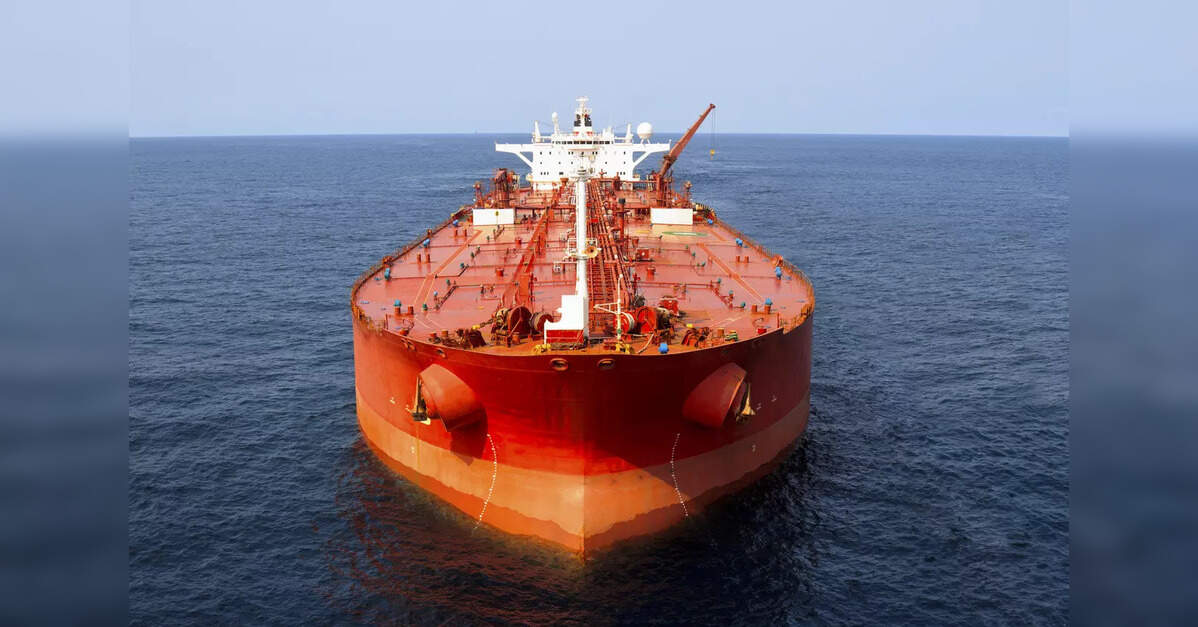
The global oil market is a complex web of supply, demand, and geopolitical influences, and few segments illustrate this more vividly than crude oil transportation. Despite recent volatility in benchmark crude prices, the oil tanker market is exhibiting remarkable resilience and strength, particularly for Very Large Crude Carriers (VLCCs). A confluence of factors, including stringent international sanctions, an aging global fleet, and persistent geopolitical disruptions, is creating a supply crunch for compliant vessels, driving freight rates to elevated levels that are projected to persist well into 2026. For investors, understanding these structural shifts is paramount to identifying opportunities in the energy shipping sector.
Geopolitical Tensions and Sanctions Fueling Freight Costs
The primary catalyst for the current strength in tanker rates stems directly from the complex geopolitical landscape. International sanctions targeting oil exports from nations like Russia, Iran, and Venezuela have fundamentally reshaped global shipping patterns. A significant portion of the global supertanker fleet, estimated at nearly 18% of VLCCs, has been impacted by these restrictions, effectively reducing the pool of vessels available for legitimate trade. This reduction in available, compliant tonnage forces major oil firms to compete for fewer ships, naturally pushing freight costs higher.
Further exacerbating this situation are ongoing disruptions to key shipping arteries, most notably the Red Sea. Attacks by Houthi militia, backed by Iran, have compelled many carriers to divert from the Suez Canal, opting instead for longer voyages around the Cape of Good Hope. These extended routes increase transit times, consume more fuel, and tie up vessels for longer periods, effectively reducing overall fleet capacity. This combination of sanctions and route diversions has seen the cost of shipping crude on VLCCs surge in recent weeks, with rates reaching approximately $130,000 per day. This reflects not just heightened demand from OPEC+ nations, but a structural tightening of vessel availability due to geopolitical friction.
The emergence and expansion of a “shadow fleet” — vessels operating with opaque ownership, often older, and sailing without top-tier insurance — further complicates the picture. While these ships attempt to circumvent sanctions, their lack of transparency and adherence to international safety and environmental standards makes them unsuitable for major oil companies and many ports. This further segments the market, amplifying the demand for high-quality, compliant vessels and contributing to the sustained strength in their daily charter rates.
An Aging Fleet and Tightening Utilization Amidst Market Volatility
Beyond geopolitical influences, the physical state of the global tanker fleet plays a critical role in market dynamics. Nearly 44% of the world’s VLCC fleet is currently older than 15 years. This aging profile presents significant challenges, as major oil companies and charterers increasingly implement stringent vetting processes. Older tankers, particularly VLCCs capable of transporting up to 2 million barrels per voyage, face declining efficiency and increased safety concerns past the 15-year mark, making them less desirable for premium contracts. This effectively shrinks the viable pool of active, preferred vessels, even if theoretically, the total number of ships remains constant.
This preference for newer, more efficient vessels is directly translating into higher fleet utilization rates. For VLCCs, utilization is projected to climb to 92% in 2026, a notable increase from 89.5% in 2025 and the highest level observed since 2019. Such high utilization indicates minimal idle capacity and intense competition for available ships, a clear indicator of a “very strong market,” as noted by industry leaders. This tight supply environment for compliant tankers creates a floor under freight rates, even when other segments of the energy market face headwinds.
It is important to contextualize this robust tanker market against the backdrop of broader crude price movements. As of today, Brent crude trades around $91.87, a significant decline from its recent peak of $112.57 just a few weeks prior. WTI has followed a similar trajectory, currently at $84.00, down from the low $90s. This broader softening in crude benchmarks, reflected in a 14-day Brent trend from $112.57 on March 27th to $98.57 on April 16th, has not dampened the robust demand for efficient crude transportation. This divergence highlights that the drivers for tanker rates are largely structural and independent of short-term crude price fluctuations, making tanker equities a potentially attractive diversification for energy investors.
Navigating Future Supply Dynamics and Investor Queries
Looking ahead, the market for oil tankers is poised for continued strength through the first half of 2026, though a potential capping of rates could emerge in the latter half of the year. This anticipated shift is tied to the expected pick-up in new tanker deliveries from shipyards. Industry estimates suggest that scheduled tanker deliveries for 2026 will be at their highest point since 2009. However, it’s crucial for investors to note that a significant portion of these new vessels are weighted towards refined product tankers rather than crude carriers, meaning the relief for the VLCC segment might be less pronounced than overall delivery figures suggest.
Investors are keenly watching upcoming energy events for further market signals. The OPEC+ JMMC and Full Ministerial meetings scheduled for April 17th and 18th, respectively, are particularly significant. Decisions made here regarding production quotas will directly influence crude supply volumes and, consequently, the demand for tanker services. Should OPEC+ maintain or deepen production cuts, it could temper overall demand for crude transport, though the structural issues of sanctions and longer routes would likely continue to support rates. Conversely, an increase in output would boost demand for shipping.
Our proprietary reader intent data reveals that many investors are currently asking about the trajectory of crude prices by the end of 2026 and the potential impact of OPEC+ policy shifts. While the immediate outlook for crude prices remains subject to geopolitical and economic shifts, the underlying structural issues driving tanker rates – fleet age, sanctions, and route disruptions – suggest a more insulated, positive trend for shipping equities. Furthermore, weekly inventory reports from the API and EIA (due April 21st, 22nd, 28th, 29th) and the Baker Hughes Rig Count (April 24th, May 1st) will offer granular insights into immediate supply-demand balances, which can influence crude trading but are unlikely to derail the fundamental strength in tanker rates for the medium term.
In conclusion, the oil tanker market, particularly for VLCCs, is navigating a period of exceptional strength driven by a unique convergence of geopolitical forces and fleet dynamics. While new vessel deliveries scheduled for later in 2026 may introduce some supply-side relief, the enduring impact of international sanctions, persistent route disruptions, and the ongoing challenge of an aging global fleet are formidable structural tailwinds. For investors seeking exposure to the energy sector, the resilience and projected longevity of high tanker rates present a compelling narrative, offering a distinct investment thesis that appears robust against broader crude price fluctuations and even potential shifts in OPEC+ policy. The current environment underscores that efficient, compliant crude transportation is not just a logistical necessity but a critical, high-value component of the global oil supply chain.


