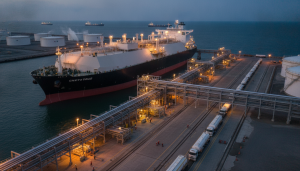
The critical Strait of Hormuz remains a focal point for global energy markets, with recent developments signaling a prolonged period of elevated shipping risk. Attempts by the U.S. to forge a multinational coalition aimed at escorting oil tankers through this vital chokepoint have encountered significant delays and reluctance from key allies. This diplomatic friction, coming on the heels of reported tanker attacks and a claimed “largest oil supply disruption in history,” presents a complex landscape for investors trying to navigate the crude market’s future trajectory. While geopolitical tensions suggest a bullish outlook, the market’s recent price action tells a more nuanced story, demanding a closer look at underlying dynamics and upcoming data.
Geopolitical Friction Escalates Shipping Risks
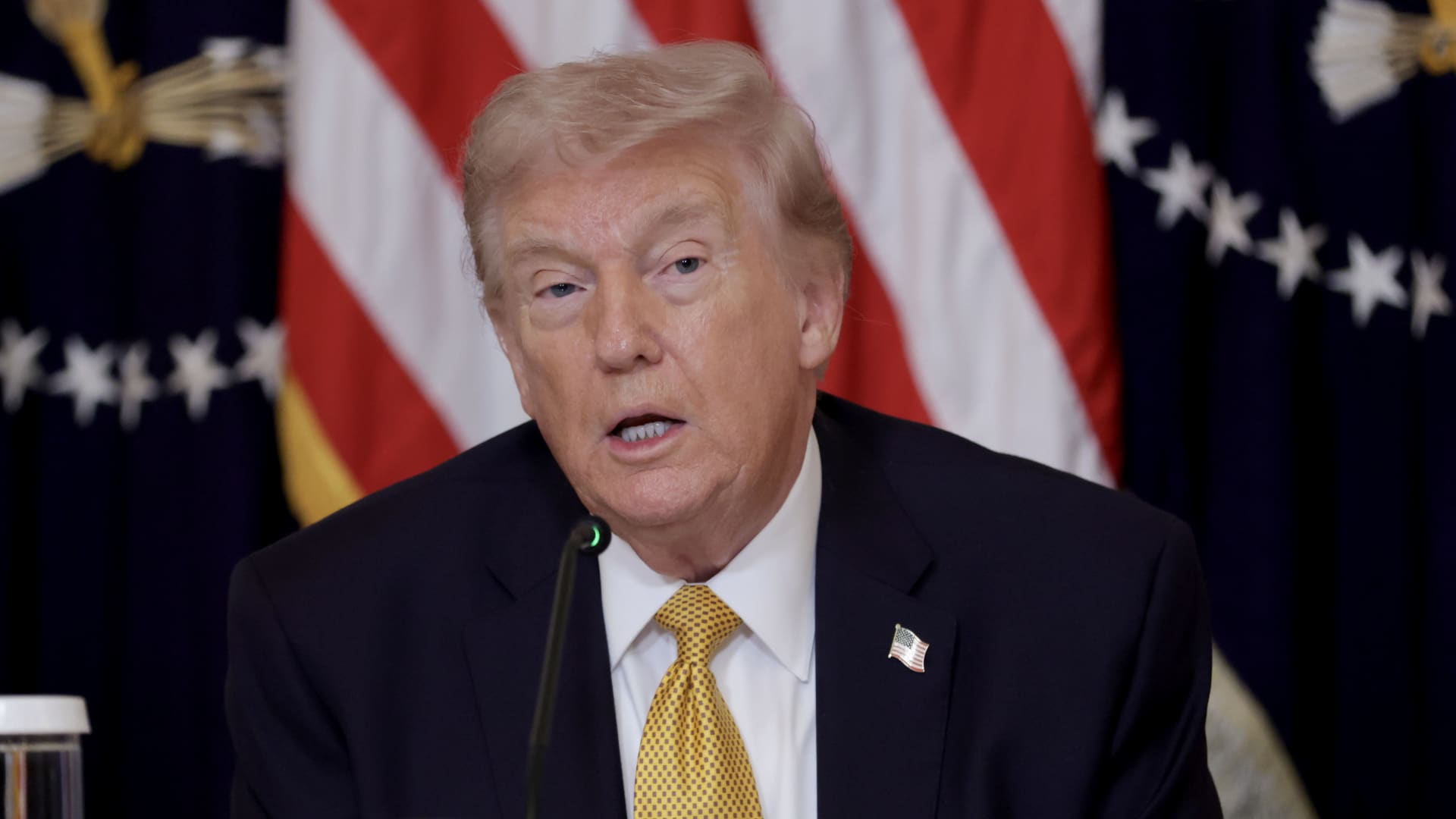
The U.S. push to establish a naval coalition for the Strait of Hormuz has hit a diplomatic snag, with President Donald Trump expressing frustration over the lukewarm response from several traditional allies. This reluctance directly impacts the perceived security of maritime trade through a passage responsible for approximately one-fifth of global oil consumption. The United Kingdom, despite Prime Minister Keir Starmer’s acknowledgment of the urgent need to restore freedom of navigation, has shown hesitancy to commit two aircraft carriers as requested. French President Emmanuel Macron has indicated a willingness to assist, but details remain vague, and France has notably deployed an aircraft carrier strike group to the Eastern Mediterranean in a defensive posture, not directly committing to the Strait operation. Germany, through Chancellor Friedrich Merz, has outright declined participation, citing a lack of prior consultation before the ongoing conflict and a desire to avoid military entanglement. This fractured allied response leaves the onus of securing this crucial waterway largely on the U.S., intensifying the risk premium for tankers operating in the region and raising concerns about potential supply interruptions. The absence of a unified, robust protective force means that the threat of further incidents remains very real, impacting insurance costs and potentially rerouting strategies for shipping companies.
Market’s Muted Response: A Disconnect?
Despite the severe geopolitical backdrop and claims of the “largest oil supply disruption in history,” crude oil prices have shown a surprising lack of sustained upward momentum. As of today, Brent Crude trades at $92.89, down 0.38% within a day range of $92.57 to $94.21. Similarly, WTI Crude stands at $89.33, also down 0.38% with a daily range of $88.76 to $90.71. Looking at the broader trend, Brent has actually fallen by approximately 7% over the past 14 days, declining from $101.16 on April 1st to its current levels. This divergence between high-stakes geopolitical rhetoric and actual market performance prompts investors to ask, “Is WTI going up or down?” The current data suggests a softening, rather than a surge. This muted reaction could be attributed to several factors: global demand concerns, the potential for strategic petroleum reserve releases, skepticism regarding the *actual* volume of disrupted supply reaching the market, or perhaps an underlying belief that the conflict, while serious, will not cripple long-term supply. The market appears to be balancing geopolitical risk with broader economic headwinds, preventing a significant price breakout despite the headlines.
Forward Outlook: Key Data and Escalation Watch
For investors focused on the energy sector, the coming weeks will offer crucial data points that could provide further clarity on market direction amidst the ongoing Strait of Hormuz situation. This Wednesday, April 22nd, the EIA Weekly Petroleum Status Report will be released, offering a vital snapshot of U.S. crude oil inventories, refining activity, and product demand. These figures will be critical in assessing the true balance of supply and demand in the world’s largest consumer. Following that, the Baker Hughes Rig Count on April 24th will provide insights into drilling activity and potential future production trends, especially important as U.S. output plays a key role in global supply stability. Another API Weekly Crude Inventory report is due on April 28th, followed by the EIA’s Short-Term Energy Outlook on May 2nd. The Short-Term Energy Outlook, in particular, will offer updated forecasts for supply, demand, and prices, incorporating the latest geopolitical developments. Any indications of a significant draw in inventories or a downward revision in supply forecasts could provide the catalyst for a price rebound, while stronger-than-expected production or weaker demand signals could reinforce the current downward pressure. Beyond these scheduled reports, investors must remain vigilant for any diplomatic breakthroughs regarding the coalition or, conversely, any further escalation of hostilities in the Persian Gulf, both of which could rapidly shift market sentiment.
Investor Considerations Amidst Volatility
The current environment of geopolitical tension and volatile crude prices presents a challenging yet potentially rewarding landscape for energy investors. Many are asking, “What do you predict the price of oil per barrel will be by the end of 2026?” While a definitive forecast is impossible, the factors at play suggest continued price swings. The failure to quickly form a robust Strait of Hormuz coalition means that the geopolitical risk premium will likely persist, providing a floor for prices. However, this is counterbalanced by the market’s current muted reaction and underlying demand concerns. Companies with significant exposure to shipping and logistics in the Middle East may face increased operational costs and insurance premiums, potentially impacting their profitability. Conversely, exploration and production companies in less politically sensitive regions might see increased investment as producers seek to diversify supply away from high-risk areas. Investors should closely monitor not only the geopolitical developments but also the macro-economic indicators and the forthcoming energy data releases. Diversifying portfolios and maintaining a long-term perspective will be crucial. The ability to quickly adapt to evolving information, particularly from real-time data feeds and expert analysis, will be key to navigating the complex dynamics of the global oil market through 2026 and beyond.