
Close Menu
  • Home
  • Market News
    • Crude Oil Prices
    • Brent vs WTI
    • Futures & Trading
    • OPEC Announcements
  • Company & Corporate
    • Mergers & Acquisitions
    • Earnings Reports
    • Executive Moves
    • ESG & Sustainability
  • Geopolitical & Global
    • Middle East
    • North America
    • Europe & Russia
    • Asia & China
    • Latin America
  • Supply & Disruption
    • Pipeline Disruptions
    • Refinery Outages
    • Weather Events (hurricanes, floods)
    • Labor Strikes & Protest Movements
  • Policy & Regulation
    • U.S. Energy Policy
    • EU Carbon Targets
    • Emissions Regulations
    • International Trade & Sanctions
  • Tech
    • Energy Transition
    • Hydrogen & LNG
    • Carbon Capture
    • Battery / Storage Tech
  • ESG
    • Climate Commitments
    • Greenwashing News
    • Net-Zero Tracking
    • Institutional Divestments
  • Financial
    • Interest Rates Impact on Oil
    • Inflation + Demand
    • Oil & Stock Correlation
    • Investor Sentiment

Subscribe to Updates

Subscribe to our newsletter and never miss our latest news

Subscribe my Newsletter for New Posts & tips Let's stay updated!

What's Hot

$60 oil forces Europe’s energy giants to rethink buybacks – Oil & Gas 360

February 5, 2026

Expro introduces single-valve shear-and-seal system for subsea well access

February 5, 2026

Google Earnings: AI Spending Jumps, Gemini and Subscriptions Get Boost

February 5, 2026
Facebook X (Twitter) Instagram Threads
Oil Market Cap – Global Oil & Energy News, Data & Analysis
  • Home
  • Market News
    • Crude Oil Prices
    • Brent vs WTI
    • Futures & Trading
    • OPEC Announcements
  • Company & Corporate
    • Mergers & Acquisitions
    • Earnings Reports
    • Executive Moves
    • ESG & Sustainability
  • Geopolitical & Global
    • Middle East
    • North America
    • Europe & Russia
    • Asia & China
    • Latin America
  • Supply & Disruption
    • Pipeline Disruptions
    • Refinery Outages
    • Weather Events (hurricanes, floods)
    • Labor Strikes & Protest Movements
  • Policy & Regulation
    • U.S. Energy Policy
    • EU Carbon Targets
    • Emissions Regulations
    • International Trade & Sanctions
  • Tech
    • Energy Transition
    • Hydrogen & LNG
    • Carbon Capture
    • Battery / Storage Tech
  • ESG
    • Climate Commitments
    • Greenwashing News
    • Net-Zero Tracking
    • Institutional Divestments
  • Financial
    • Interest Rates Impact on Oil
    • Inflation + Demand
    • Oil & Stock Correlation
    • Investor Sentiment
Oil Market Cap – Global Oil & Energy News, Data & Analysis
Home » Oil Prices Drop to $70 as Iran’s Missile Strike Suggests De-Escalation Amid Tensions, ET EnergyWorld
Oil & Stock Correlation

Oil Prices Drop to $70 as Iran’s Missile Strike Suggests De-Escalation Amid Tensions, ET EnergyWorld

omc_adminBy omc_adminJune 24, 2025No Comments4 Mins Read
Share
Facebook Twitter Pinterest Threads Bluesky Copy Link


New Delhi: Global oil prices declined to $70 per barrel following Iran’s retaliatory strike against the United States, which analysts see as a potential de-escalation move amid continuing geopolitical tensions in West Asia.

According to Rystad Energy, Brent crude rose to nearly $78 per barrel after Israel’s Operation Rising Lion on June 13, targeting over 100 Iranian nuclear and military facilities. It later stabilised at $75 before falling to $70 following Iran’s missile response targeting Doha.

“The geopolitical risks that have loomed over the Middle East for months have now fully materialised, prompting a rapid repricing in the oil market,” said Janiv Shah, Vice President, Oil Markets Analysis, Rystad Energy.

Rystad warned that market volatility would remain high in the short term until the extent of the damage and Iran’s subsequent response become clearer.

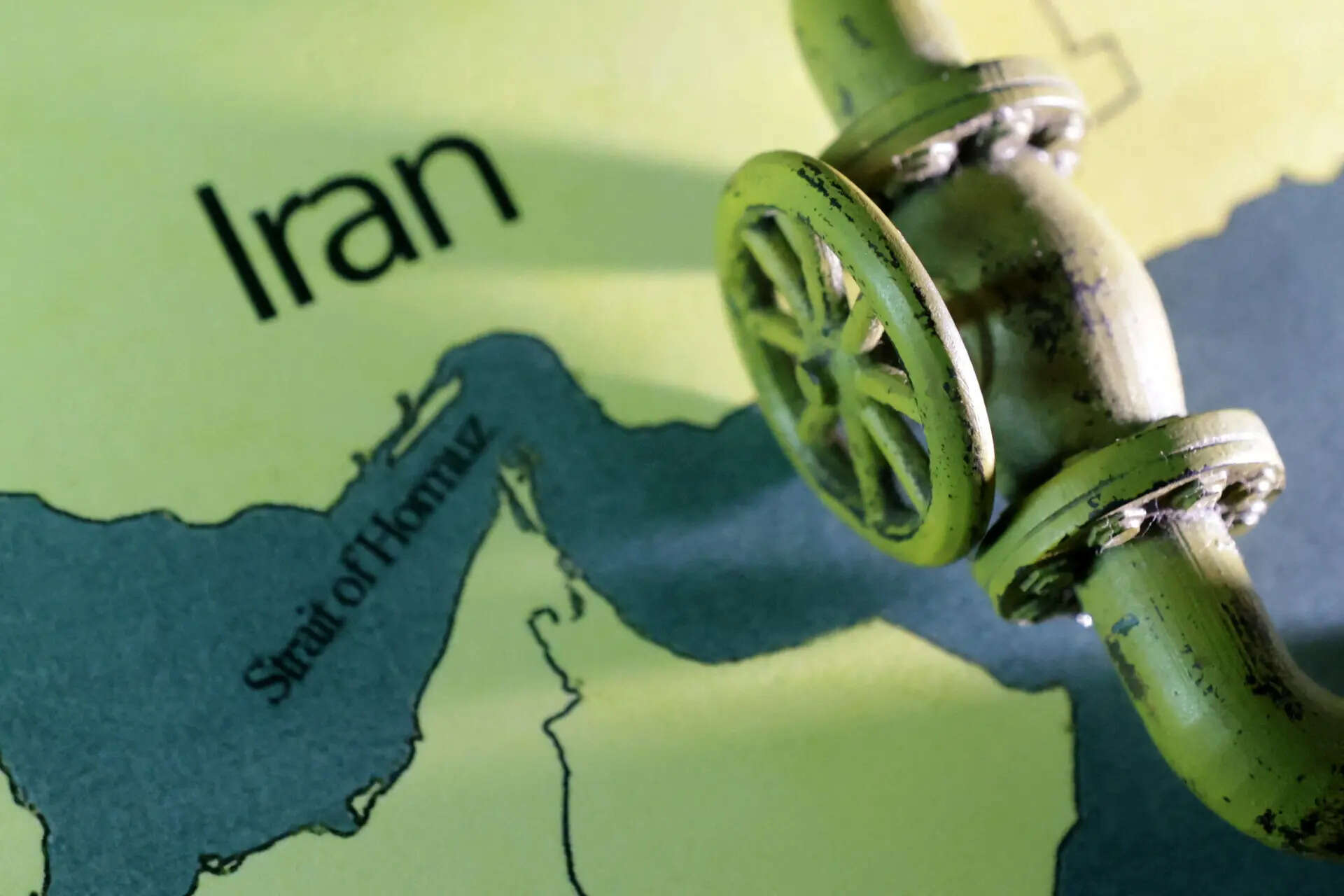
A potential disruption of the Strait of Hormuz, through which about 15 million barrels per day (bpd) or nearly a third of global seaborne crude exports transit, poses a significant risk to energy markets. Asia, which receives nearly 80 per cent of these flows, would be most affected, the report said.

Iran’s Parliament has passed a motion authorising the potential closure of the Strait, though the decision rests with the Supreme National Security Council. Rystad said a complete blockade remains unlikely at this stage, but any perceived threat is likely to raise insurance costs and operational risk premiums.

In the gas segment, Lu Ming Pang, Senior Analyst, Gas & LNG Research, Rystad Energy, said around 20 per cent of global liquefied natural gas (LNG) exports pass through the Strait. Countries including India (66 per cent), Bangladesh (69.2 per cent), China (34 per cent), Thailand (21 per cent), South Korea (16 per cent), and Japan (5.61 per cent) depend significantly on Qatari and UAE LNG, which transit through Hormuz.

“Should there be a disruption in supply, these buyers will have to seek additional volumes from other suppliers, which will drive up the price of spot LNG,” Pang said.

He added that Qatari contracts and deliveries generally have limited flexibility, and disruptions are more likely to cause delays than outright cancellations unless Force Majeure is invoked.

Claudio Galimberti, Chief Economist, Rystad Energy, said that Iran’s missile strike may be perceived as a de-escalation attempt, which has led to a softening in oil prices. However, two possible scenarios are being monitored by market participants.

In the first scenario, the strikes may have destroyed Iran’s nuclear stockpile, which could open the way to diplomatic engagement and reduce risks to oil and gas infrastructure. In the second, Iran may have protected its key assets, potentially resulting in further military action by the US and Israel.

“In the second scenario, the likelihood of a broader and more prolonged conflict increases,” Galimberti said.

Rystad noted that shipping disruptions are already visible, with GPS jamming, cyber interference, and rising insurance premiums being reported. Container and dry bulk traffic have declined, though tanker flows have increased as Iran ramps up exports ahead of further escalation.

The Strait of Hormuz remains a critical chokepoint, and any disruption could impact global energy flows. According to Rystad, the waterway’s strategic significance means that a full closure would require significant effort and coordination and would likely trigger international responses, including from China, Iran’s largest crude customer.

OPEC+ is expected to monitor the situation. Saudi Energy Minister Prince Abdulaziz bin Salman said the group would “only react to realities, not hypotheticals,” in response to questions on supply adjustments.

Rystad Energy stated that while oil and gas markets have currently priced in a de-escalation signal, the evolving situation will continue to affect prices as long as the geopolitical risk remains elevated.


Published On Jun 24, 2025 at 02:26 PM IST

Join the community of 2M+ industry professionals.

Subscribe to Newsletter to get latest insights & analysis in your inbox.

All about ETEnergyworld industry right on your smartphone!


Source link

Share. Facebook Twitter Pinterest Bluesky Threads Tumblr Telegram Email
omc_admin
  • Website

Related Posts

Indian Rupee Declines 11 Paise Against US Dollar Amid Trade Deal Uncertainty, ETEnergyworld

February 4, 2026

US refiners struggle to absorb sudden surge in Venezuelan oil imports, ETEnergyworld

February 4, 2026

India will diversify energy supplies after deal with US on Russia oil imports, ETEnergyworld

February 4, 2026
Add A Comment
Leave A Reply Cancel Reply

Top Posts

Federal Reserve cuts key rate for first time this year

September 17, 202513 Views

Citigroup must face $1 billion lawsuit claiming it aided Mexican oil company fraud

July 1, 20077 Views

LPG sales grow 5.1% in FY25, 43.6 lakh new customers enrolled, ET EnergyWorld

May 16, 20255 Views
Don't Miss

Expro introduces single-valve shear-and-seal system for subsea well access

By omc_adminFebruary 5, 2026

(WO) – Expro has introduced a new single-valve shear-and-seal ball valve system designed to simplify…

Venezuela oil output to lag Brazil, Guyana and Argentina through 2030, Rystad says

February 4, 2026

Pemex cuts debt to 11-year low as Mexico pushes oil production turnaround

February 4, 2026

Equinor forecasts 10%–20% production decline at Johan Sverdrup field in 2026

February 4, 2026
Top Trending

Flawed economic models mean climate crisis could crash global economy, experts warn | Green economy

By omc_adminFebruary 5, 2026

Meta Inks Solar Energy Purchase Agreement with Zelestra in Texas

By omc_adminFebruary 4, 2026

Dutch Markets Regulator Tells Banks and Investors to Improve Sustainability Claims

By omc_adminFebruary 4, 2026
Most Popular

AI’s Next Bottleneck Isn’t Just Chips — It’s the Power Grid: Goldman

November 14, 202514 Views

The 5 Best 65-Inch TVs of 2025

July 3, 202512 Views

The Layoffs List of 2025: Meta, Microsoft, Block, and More

May 9, 202510 Views
Our Picks

Venezuela oil output to lag Brazil, Guyana and Argentina through 2030, Rystad says

February 4, 2026

Pemex cuts debt to 11-year low as Mexico pushes oil production turnaround

February 4, 2026

Oil Ends Higher Amid Rising Middle East Risks

February 4, 2026

Subscribe to Updates

Subscribe to our newsletter and never miss our latest news

Subscribe my Newsletter for New Posts & tips Let's stay updated!

Facebook X (Twitter) Instagram Pinterest
  • Home
  • About Us
  • Advertise With Us
  • Contact Us
  • DMCA
  • Privacy Policy
  • Terms & Conditions
© 2026 oilmarketcap. Designed by oilmarketcap.

Type above and press Enter to search. Press Esc to cancel.