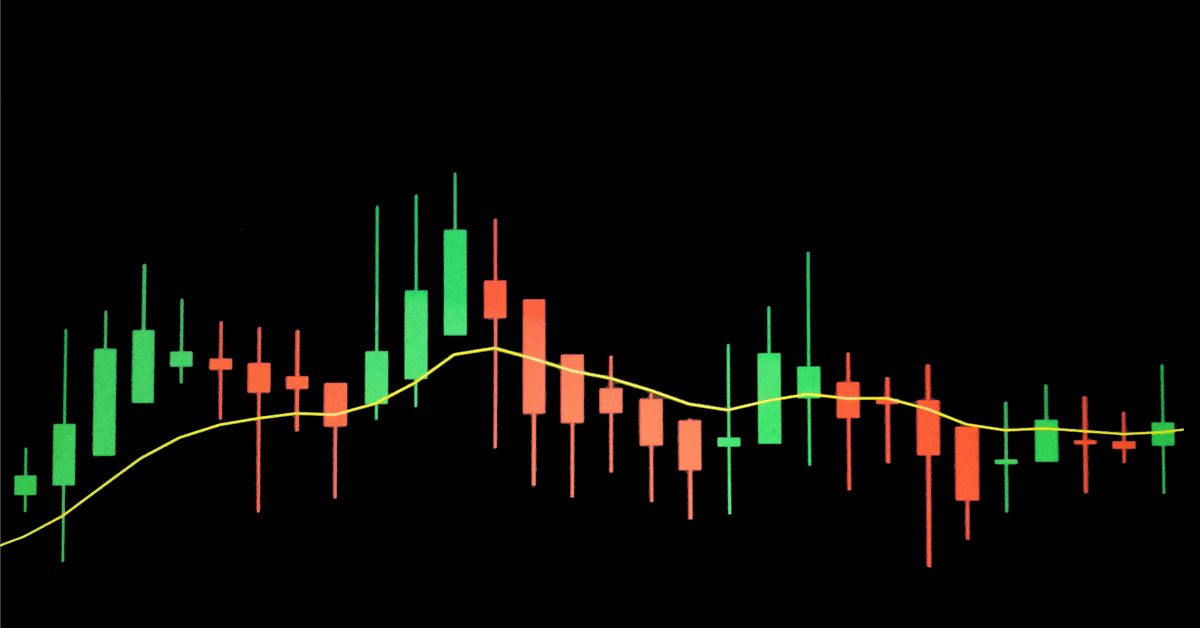
The global oil market is currently navigating a complex landscape, where persistent geopolitical tensions clash with evolving supply-demand fundamentals and a pronounced shift in investor sentiment. While recent reports may have suggested a period of price stability, our proprietary market data reveals a different story, indicating significant downward pressure on crude benchmarks. Investors are keenly watching how ongoing international developments and crucial upcoming supply decisions will shape the crude trajectory for the remainder of the year and into 2026.
Market Dynamics: A Sharp Correction Underway
As of today, the perceived stability in crude prices has given way to a notable market correction. Our live data pipelines show Brent crude trading at $90.38 per barrel, marking a sharp 9.07% decline today, with a day range between $86.08 and $98.97. Similarly, West Texas Intermediate (WTI) has fallen to $82.59 per barrel, down 9.41% on the day, moving within a range of $78.97 to $90.34. This daily downturn extends a broader bearish trend; over the past 14 days, Brent crude has plummeted from $112.78 on March 30 to $91.87 yesterday, representing a substantial $20.91, or 18.5%, reduction. This significant depreciation suggests that market participants are increasingly pricing in potential oversupply scenarios later in the year, despite the persistent geopolitical risks that typically lend support to prices. Even gasoline futures are feeling the pressure, trading at $2.93, down 5.18% today. This immediate market reaction challenges the notion of prices holding steady, indicating a clear shift in momentum driven by a re-evaluation of fundamental outlooks.
Geopolitical Headwinds and Supply Uncertainties
The geopolitical landscape continues to inject significant uncertainty into crude supply, yet its impact on prices appears to be diminishing in the face of broader market forces. The European Union is intensifying its efforts to limit Russia’s access to petrodollars by targeting oil industry entities in third countries, particularly in China and India. These nations have been significant beneficiaries of discounted Russian supplies, operating within the framework of the G7 price-cap mechanism designed to maintain crude flows while curtailing Moscow’s revenues. While some political figures, such as former US President Donald Trump, advocate for a complete cessation of European purchases from Russia, French President Emmanuel Macron notes that the EU’s remaining energy imports from Russia are now “very marginal.”
Canadian Prime Minister Mark Carney’s recent call for prompt implementation of secondary sanctions on Russia momentarily revived supply concerns, but the market’s current downward trajectory suggests a broader assessment of supply abundance. Concurrently, Ukraine has escalated its drone attacks, claiming damage to energy infrastructure deep within Russian territory, including oil pumping stations and refineries. While these attacks represent a “bull-factor” that could theoretically counter bearish price developments, analysts like Bjarne Schieldrop acknowledge that the intensity of these strikes has not yet reached a level capable of inflicting serious, enduring impact on Russia’s vast oil infrastructure. The recent amicable exchange between President Trump and Chinese President Xi Jinping also helped ease tensions between the world’s two largest oil consumers, reducing concerns about potential US levies on Beijing for purchasing Russian crude, thereby removing a layer of demand-side uncertainty.
Critical Calendar Events Shaping the Forward Outlook
Looking ahead, the coming weeks are packed with pivotal events that will undoubtedly influence crude price trajectories and address key questions many investors are asking, such as the future of OPEC+ production quotas and end-of-year price predictions. The most immediate and impactful events are the OPEC+ Joint Ministerial Monitoring Committee (JMMC) meeting on April 18 and the full OPEC+ Ministerial Meeting on April 19. These gatherings are crucial. Given the recent steep declines in Brent and WTI, investors will be scrutinizing any signals regarding potential adjustments to current production quotas. Will the alliance maintain its existing cuts to stabilize prices, or will they hint at a future increase, potentially exacerbating the perceived surplus? Our proprietary reader intent data shows significant investor interest in OPEC+’s current quotas and their likely evolution, underscoring the importance of these upcoming discussions.
Beyond OPEC+, the market will closely monitor weekly inventory data. The API Weekly Crude Inventory reports on April 21 and April 28, followed by the EIA Weekly Petroleum Status Reports on April 22 and April 29, will provide essential insights into US crude stockpiles and refining activity. These reports are critical indicators of real-time supply and demand balances. Significant builds could amplify bearish sentiment, while unexpected drawdowns might offer some price support. Furthermore, the Baker Hughes Rig Count on April 24 and May 1 will offer a glimpse into North American production trends, a key variable in the global supply equation. Collectively, these events will provide the fundamental data points necessary for investors to refine their outlooks on crude prices, moving beyond the current daily volatility towards a more informed long-term perspective.
Navigating Investor Sentiment and Strategic Positioning
The current market environment demands a nuanced approach from oil and gas investors. While the source article previously noted prices holding within a $5 range since early August, our real-time data clearly shows this band has been broken, indicating a material shift in market sentiment. This break is likely driven by the market’s increasing focus on potential future supply surpluses, even as geopolitical risks persist. Many of our readers are actively seeking clarity on what to predict for oil prices by the end of 2026, a complex question influenced by the interplay of OPEC+ policy, demand growth, and the unpredictable nature of global conflicts.
For strategic positioning, investors should prioritize monitoring the outcomes of the upcoming OPEC+ meetings for any signals on production policy, as this will be a primary driver of supply-side sentiment. Furthermore, a deep dive into weekly inventory data from the API and EIA will be essential to gauge the true state of global supply-demand equilibrium. The efficacy of EU sanctions on third-country buyers of Russian oil, and the sustained intensity of Ukrainian attacks on Russian infrastructure, remain critical geopolitical watchpoints, though their immediate impact on current market pricing appears muted. A more aligned stance between the US and EU on harsher measures against Russian oil buyers, as noted by industry analysts, would likely be required to significantly shift the supply-side narrative. In this volatile period, agility and a data-driven approach, leveraging insights from both geopolitical developments and fundamental supply metrics, will be key to successful navigation.


