

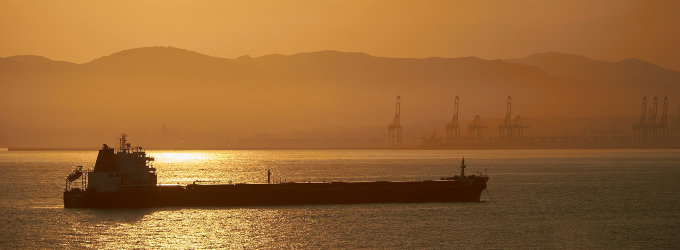
(Bloomberg) – President Donald Trump’s strike on Iran has injected fresh geopolitical risk into global oil markets, raising concerns about potential disruptions to both Iranian production and crude shipments through the Strait of Hormuz.
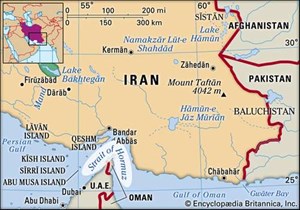
Iran currently produces roughly 3.0–3.3 MMbpd, accounting for about 3% of global supply. While its output alone is material, the greater risk lies in the Strait of Hormuz, the critical chokepoint for approximately 20% of global crude and refined product flows, including exports from Saudi Arabia, Iraq, Kuwait, the UAE and Qatar.
Early signs of reduced tanker traffic through the strait have already emerged, though a full closure remains considered unlikely. Market participants are closely watching for potential Iranian retaliation, including harassment of shipping, GPS jamming, or strikes on regional energy infrastructure.
Alternative export routes exist — including Saudi Arabia’s 5-MMbpd East-West pipeline and the UAE’s 1.5-MMbpd Habshan-Fujairah line — but they would not fully offset a sustained disruption.
Brent crude has recently traded near $80/bbl amid escalating tensions, with analysts warning that any direct impact on Kharg Island export facilities or Hormuz transit could trigger sharper price volatility.
For now, markets are pricing in escalation risk rather than confirmed supply losses — but the Strait of Hormuz remains the key variable.
