Strait of Hormuz Disruption: A New Structural Reality for Energy Markets
The global energy landscape is undergoing a profound recalibration, with the critical Strait of Hormuz emerging as a flashpoint of persistent geopolitical risk. As the conflict in the region enters its eighth week, influential players in the oil and gas sector are now baking prolonged disruptions into their financial outlooks, signaling a significant shift for investors navigating crude oil and liquefied natural gas (LNG) markets.
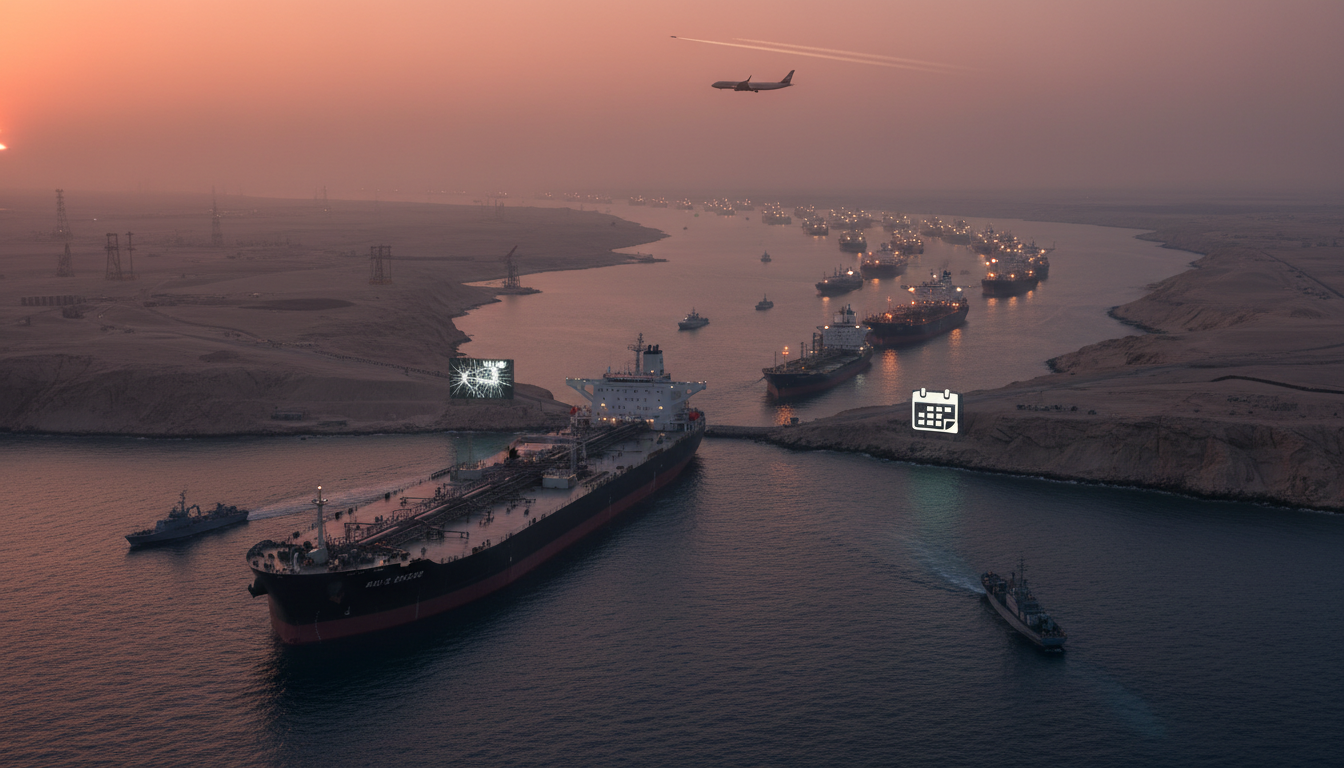
At the heart of this unfolding scenario is the strategic maritime choke point, historically responsible for facilitating the transit of approximately 20% of the world’s daily oil supplies. Iran’s aggressive actions against commercial tankers have effectively curtailed exports through this vital waterway, leading to what many industry observers are calling the largest single oil supply disruption in history. This ongoing volatility has forced energy majors and service providers alike to confront a future where supply chain integrity is no longer a given.
Baker Hughes Forecasts Extended Strait Closure, Geopolitical Risk Priced In
Drilling down into the immediate implications, oilfield services giant Baker Hughes is operating under the explicit assumption that the Strait of Hormuz will not fully reopen for several months. Ahmed Moghal, Chief Financial Officer for Baker Hughes, conveyed this critical outlook to investors during the company’s first-quarter earnings call. The firm’s financial guidance now incorporates the expectation that the U.S.-Iran conflict will persist through the end of June, pushing the full operational recovery of the strait into the latter half of the year.
Moghal underscored the prevailing uncertainty surrounding the conflict’s ultimate duration and intensity, a sentiment echoed across the industry. Given Baker Hughes’ extensive global footprint and deep engagement in the Middle East, its forward-looking statements carry significant weight, offering a strong indication of how major players are strategizing amid the escalating tensions. This proactive financial modeling reflects a sober assessment of the enduring challenges facing global energy supply lines.
Industry Executives Echo Concerns: Long-Term Disruptions Anticipated
The somber assessment from Baker Hughes is far from an isolated view; it resonates deeply within the wider energy community. A recent survey conducted by the Federal Reserve Bank of Dallas, canvassing nearly 100 prominent oil and gas executives, brought this industry-wide apprehension into sharp focus. The findings revealed a striking consensus: almost 80% of respondents do not anticipate the Strait of Hormuz returning to full operability until August or even later.
Furthermore, the Dallas Fed Energy survey highlighted a pervasive concern regarding future stability. More than 80% of the polled executives believe that further disruptions within the strait are either somewhat or very likely. This collective sentiment points to a fundamental recalibration of risk assessment, with geopolitical instability now considered a core, rather than peripheral, factor in long-term energy planning and investment strategies. Investors must recognize this shift as a potential driver of sustained market premiums.
CEO Simonelli: Geopolitical Risk is a “Structural Reality” for Energy Markets
Lorenzo Simonelli, Chief Executive Officer of Baker Hughes, provided an even broader strategic perspective, declaring that “geopolitical risk has become a structural reality for oil and gas markets” in the wake of the Iran war. This assertion fundamentally changes the framework for evaluating energy sector investments, suggesting that premiums linked to political instability will likely become a permanent fixture, rather than a transient blip.
Simonelli elaborated on the immediate economic fallout, noting that the closure of the strait has directly impacted approximately 10% of global oil volumes. Even more significantly, it has knocked offline a staggering 20% of global liquefied natural gas (LNG) supplies. Such substantial reductions in critical energy flows are unprecedented in recent history, inevitably leading to upward pressure on commodity prices. The CEO’s prognosis points towards “persistent risk premiums for oil and and LNG prices,” an outlook that demands careful consideration from portfolio managers and institutional investors.
Navigating the Evolving Geopolitical Chessboard
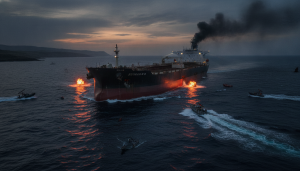
The physical manifestations of this conflict are stark. Tanker traffic through the Strait of Hormuz remains drastically reduced as the dispute persists into its second month. During a fragile ceasefire agreement, both the United States and Iran have engaged in the seizure of commercial ships, each attempting to enforce their respective blockades in and around the crucial waterway. These actions underscore the volatile and unpredictable nature of the current situation, where naval maneuvers directly translate into significant market implications for global energy supply chains.
For investors, understanding these dynamics is paramount. The Strait of Hormuz is not merely a geographic point; it is a critical nexus for global energy security and pricing. The ongoing militarization and contested control of this passage represent a paradigm shift, compelling market participants to re-evaluate traditional supply-demand models and integrate higher geopolitical risk premiums into their investment calculus. Companies with diversified supply routes, robust hedging strategies, or exposure to alternative energy sources may find themselves better positioned to weather this new era of instability.
Investment Outlook: Sustained Volatility and Elevated Premiums
The confluence of these factors – Baker Hughes’ cautious financial guidance, the widespread executive concern, and the explicit recognition of geopolitical risk as a structural market feature – paints a clear picture for the future of oil and gas investing. Expect sustained volatility and elevated risk premiums to characterize the market for the foreseeable future. Strategic investments will increasingly favor resilience and adaptability.
As long as the U.S.-Iran conflict continues to cast a shadow over the Strait of Hormuz, the energy sector will grapple with reduced supply optionality and heightened price sensitivity. Investors should closely monitor diplomatic developments, naval activities, and the evolving guidance from leading energy companies, as these indicators will provide crucial insights into the duration and market impact of this ongoing geopolitical challenge. The era of cheap, uninterrupted energy flows from the Middle East may well be behind us, replaced by a new reality of enduring risk and strategic price premiums.