The global oil and gas landscape is in constant flux, demanding agility and strategic foresight from even the most established players. Oil India, a prominent state-run explorer, is currently navigating this dynamic environment by implementing a comprehensive suite of cost-optimization measures. This proactive stance comes as crude prices exhibit notable softness, prompting a re-evaluation of operational efficiencies across the industry. Our analysis delves into Oil India’s strategic responses, examining how a blend of austerity and ambitious growth targets positions the company for future challenges, while also considering the broader market signals and upcoming catalysts that will shape its trajectory.
Navigating the Headwinds of Weakening Crude Prices
The imperative for cost efficiency at Oil India is underscored by recent shifts in the global crude market. As of today, Brent crude trades at $98.17, a noticeable downturn that reflects broader market pressures. This price point represents a significant drop from $112.57 just two weeks prior, marking a sharp 12.4% decline in the benchmark. Such rapid depreciation directly impacts producer margins and necessitates swift action to maintain profitability and investment capacity. Oil India’s chairman, Ranjit Rath, has confirmed the launch of several aggressive cost-reduction initiatives. These include streamlining logistics expenses, optimizing manpower deployment, and accelerating the drilling cycle – all critical levers for a state-run entity to enhance operational efficiency. This decisive action aligns with investor expectations for prudent financial management during periods of market uncertainty, a sentiment we consistently observe in reader queries regarding market volatility and its impact on energy stocks.
The broader market context reveals an ongoing oversupply, exacerbated by robust output from both OPEC+ nations and other producers. Simultaneously, demand in key growth economies like China and India has shown signs of sluggishness, contributing to fears of a potential glut. Analysts are already projecting a further decline, with some forecasting Brent could dip to $55 a barrel next year from current levels. This outlook puts increased pressure on high-cost discoveries, making their development less economically viable. Oil India’s proactive cost management is thus not merely a reaction to current prices, but a strategic move to future-proof its operations against sustained periods of lower crude valuations and ensure the economic viability of its extensive asset portfolio.
Ambitious Drilling Targets Amidst Austerity
Despite the prevailing market headwinds and the company’s focus on cost cutting, Oil India has demonstrated a remarkable commitment to growth, setting an ambitious target of drilling 80 wells in the current financial year. This represents a substantial increase from the 57 wells drilled last year, signaling a strategic intent to expand its production base. This dual approach of rigorous cost control alongside aggressive operational expansion is a delicate balancing act. It suggests Oil India may be leveraging the current environment of potentially lower service costs and equipment prices to accelerate its drilling program, thereby securing future production capacity at a more competitive cost basis. This strategy is particularly relevant for investors monitoring the long-term supply outlook and the capital expenditure plans of major E&P companies.
Furthermore, Oil India is actively seeking to enhance its technological capabilities and expertise through strategic collaborations. Discussions are underway with international energy giants Total and Petrobras to partner on exploration technology in India. Such partnerships are crucial for optimizing drilling efficiency, reducing exploration risks, and unlocking new reserves in a cost-effective manner. These collaborations underscore a forward-thinking approach to operational excellence, ensuring that even as the company cuts costs, it continues to invest in the strategic assets and capabilities that will drive future growth and competitiveness in the evolving energy landscape.
Geopolitical Entanglements and Forward Catalysts
Beyond domestic operations, Oil India’s global footprint presents both opportunities and significant challenges. A key forward-looking development involves the Mozambique gas field, where Oil India holds a 4% stake. The force majeure at this project, which has already inflated costs by an estimated $19.6 billion due to severe delays, is now expected to be lifted as early as next month. This potential resumption of work is a critical catalyst for the company, as it could unlock future revenue streams and provide clarity on the project’s long-term viability and return on investment. Investors are keenly watching such developments, as they directly impact the company’s valuation and cash flow projections.
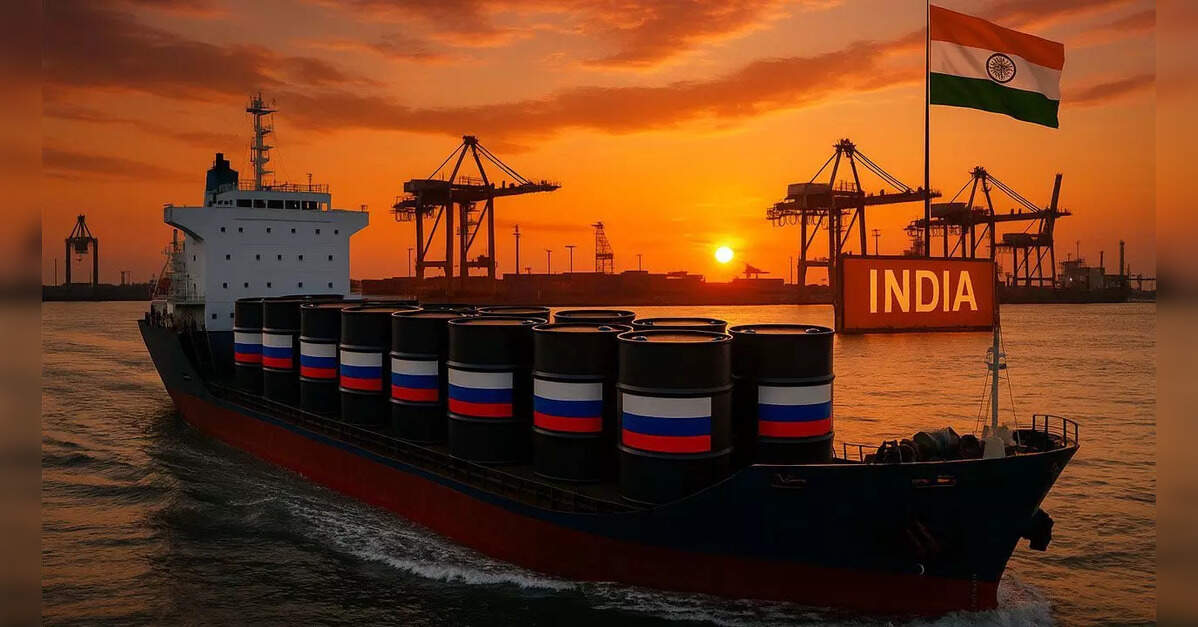
Concurrently, Oil India faces persistent geopolitical hurdles, particularly concerning its investments in Russian oil fields. The company continues to receive dividend payouts, estimated at a substantial $330 million, from its stakes in two Russian blocks. However, these funds remain trapped overseas due to ongoing restrictions on banking channels. This capital blockage represents a significant challenge, as it constrains Oil India’s liquidity and its ability to repatriate earnings, impacting its overall financial health and shareholder returns. Our reader intent data indicates a strong interest in understanding the broader geopolitical impacts on oil and gas investments, especially concerning sanctions and their effects on capital flows.
Looking ahead, the next 14 days hold several critical events that could significantly influence the crude market and, by extension, Oil India’s operational environment. Investors should closely monitor the upcoming OPEC+ Joint Ministerial Monitoring Committee (JMMC) meeting on April 17th, followed by the Full Ministerial meeting on April 18th. These gatherings are pivotal, as any decisions regarding production quotas could materially impact global supply-demand balances and crude prices. Furthermore, the weekly API and EIA crude inventory reports, scheduled for April 21st/22nd and April 28th/29th respectively, along with the Baker Hughes Rig Count on April 24th and May 1st, will provide granular insights into market fundamentals, offering vital clues for investors assessing the ongoing viability of exploration and production ventures.
Investor Outlook: Balancing Prudence with Growth Potential
Oil India’s current strategy presents a compelling, albeit complex, narrative for investors. The company is demonstrating sound financial stewardship through aggressive cost-cutting in a softening crude market, a move that is essential for preserving margins and capital efficiency. Simultaneously, its ambitious drilling targets and strategic collaborations signal a commitment to long-term growth and production expansion. This dual focus on austerity and growth is a testament to the strategic agility required in today’s volatile energy sector.
For investors, the key lies in monitoring the execution of these initiatives. The successful resumption of the Mozambique project, timely repatriation of Russian dividends, and the effective implementation of cost reductions will be crucial performance indicators. Moreover, the broader market environment, heavily influenced by OPEC+ decisions and global demand trends, will continue to dictate the profitability of all upstream players, including Oil India. As crude prices remain sensitive to supply-side dynamics and economic recovery, an active and informed approach to oil and gas investing remains paramount. Prudent investors will balance the company’s intrinsic operational improvements with the extrinsic market forces shaping the future of energy.


