

Global Energy Chiefs Sound Alarm: Geopolitical Strife Threatens Supply Security and Market Stability
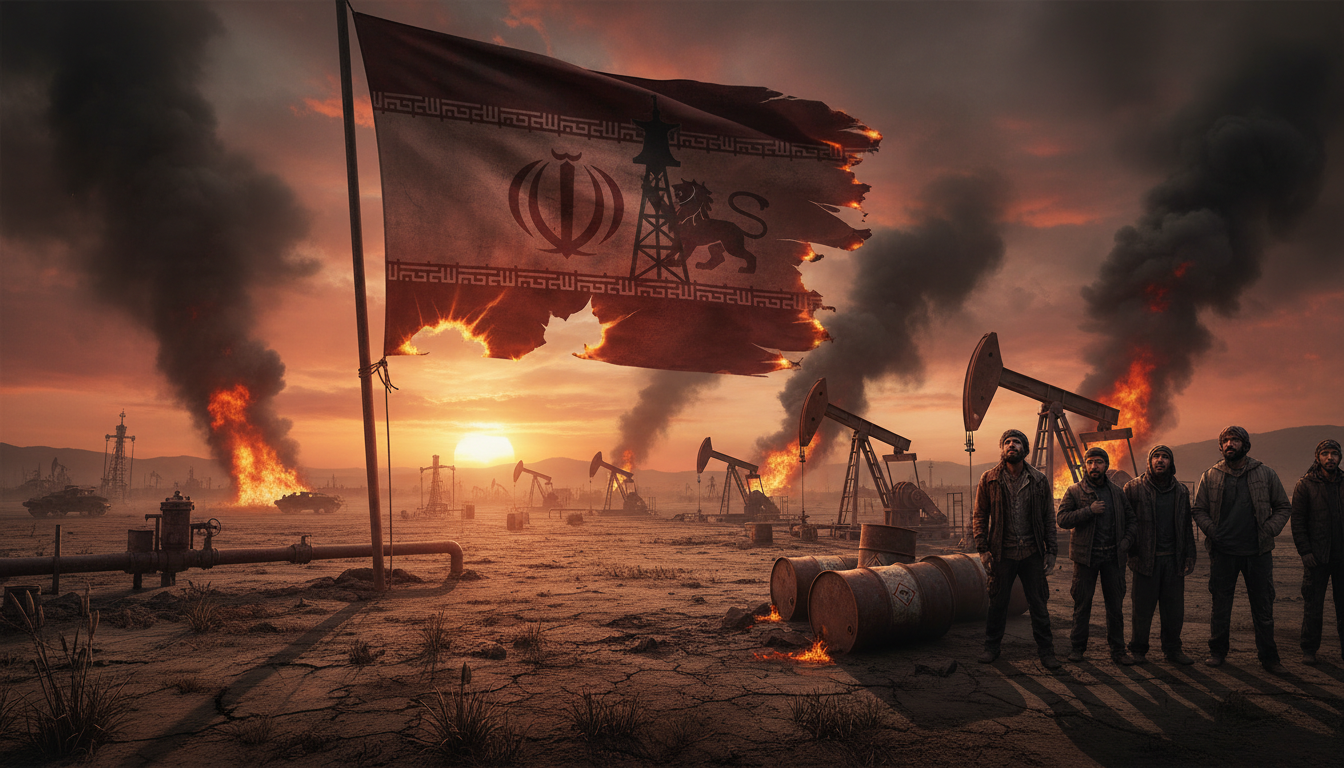
HOUSTON, TX – Leading figures in the European energy sector delivered a stark warning this week at CERAWeek by S&P Global, with top executives from Shell, TotalEnergies, and Enquest highlighting the escalating threat to global energy supplies. Amidst a volatile geopolitical landscape, particularly concerning the ongoing conflict in Iran and its potential impact on the critical Strait of Hormuz, crude oil prices have surged dramatically, impacting investor sentiment and consumer costs worldwide.
The market has witnessed a significant uptick in crude benchmarks, with prices climbing approximately 40% in recent weeks and at one point touching nearly $120 per barrel. This upward trajectory reflects deep-seated investor apprehension regarding a potential tightening of global supply, a sentiment that has initially manifested acutely across Asian economies.
Nations in Asia have already begun experiencing the initial shockwaves. The Philippines declared an energy emergency, while South Korea announced preparations for “worst-case scenarios.” Japan’s Prime Minister Sanae Takaichi has formally appealed to the International Energy Agency (IEA) to consider a further release from global crude reserves. The IEA has already orchestrated a coordinated release of 400 million barrels among its member countries. In response to the immediate crunch, Japan plans to tap its national stockpiles starting Thursday, with access to IEA reserves expected by month’s end.
Shell CEO Wael Sawan, speaking in Houston, articulated the westward progression of these supply anxieties. “South Asia was first to get that brunt. That’s moved to Southeast Asia, Northeast Asia and then more so into Europe as we get into April,” Sawan noted, underscoring the expanding scope of the crisis. He issued a clear directive to governments, cautioning against reactive policies that could inadvertently amplify the effects of supply disruptions, emphasizing that true “national security without energy security” remains an impossibility.
European governments are already taking proactive steps to shield their populations from the burden of rising energy expenses. Slovenia became the first European nation to implement fuel rationing. Spain approved a substantial 5-billion-euro ($5.8 billion) aid package, which includes electricity and gas tax reductions, along with subsidies for transport operators, farmers, and fertilizer purchases. Leaders across the European Union have also engaged in discussions regarding temporary measures to alleviate the impact of elevated energy prices on households and industries.
Oil Products Market Experiences Severe Dislocation
Patrick Pouyanné, CEO of TotalEnergies, offered a candid assessment of the current oil products market, describing it as “dislocated.” He explained to CNBC that this fundamental imbalance is directly contributing to widespread discontent over soaring gasoline and diesel prices experienced by consumers across Europe and beyond.
Pouyanné also voiced concerns regarding Europe’s ambition to replenish its natural gas storage facilities during the upcoming summer months. This critical task will coincide with robust demand from Asian markets, creating competitive pressures. He forecasted that liquefied natural gas (LNG) prices could reach 40 euros per megawatt-hour if the Middle East conflict persists through the summer, posing a significant challenge for energy buyers.
In the United Kingdom, Finance Minister Rachel Reeves confirmed that contingency planning is underway to safeguard households and businesses from rising energy costs. However, she ruled out a universal bailout, stressing the government’s need to maintain an “agile” and targeted approach to its response.
Adding to the chorus of concern, Amjad Bseisu, CEO of Enquest, an oil producer predominantly focused on the North Sea, warned of a “significant” medium-to-longer-term impact. Bseisu anticipates that a staggering 2 to 3 million barrels per day could be removed from the market due to lost production, asserting that global excess capacity will be depleted “for years.” Speaking on “Squawk Box Europe,” he also expressed profound uncertainty regarding the future of the Strait of Hormuz, stating, “the future is not clear.” This critical chokepoint’s instability introduces an unpredictable variable for global crude flows and, consequently, for investors weighing energy sector exposure.
These collective warnings from industry leaders underscore a perilous moment for global energy markets. Investors must navigate a landscape characterized by profound geopolitical instability, sustained supply-side vulnerabilities, and the mounting pressure on governments to manage the economic fallout. The long-term implications for crude oil, natural gas, and refined products markets signal a period of continued volatility and elevated risk premiums.
