Oil Giants Double Down on LNG: A High-Stakes Bet on the Energy Transition
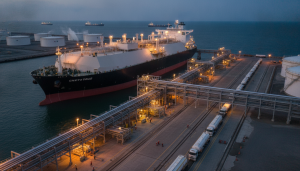
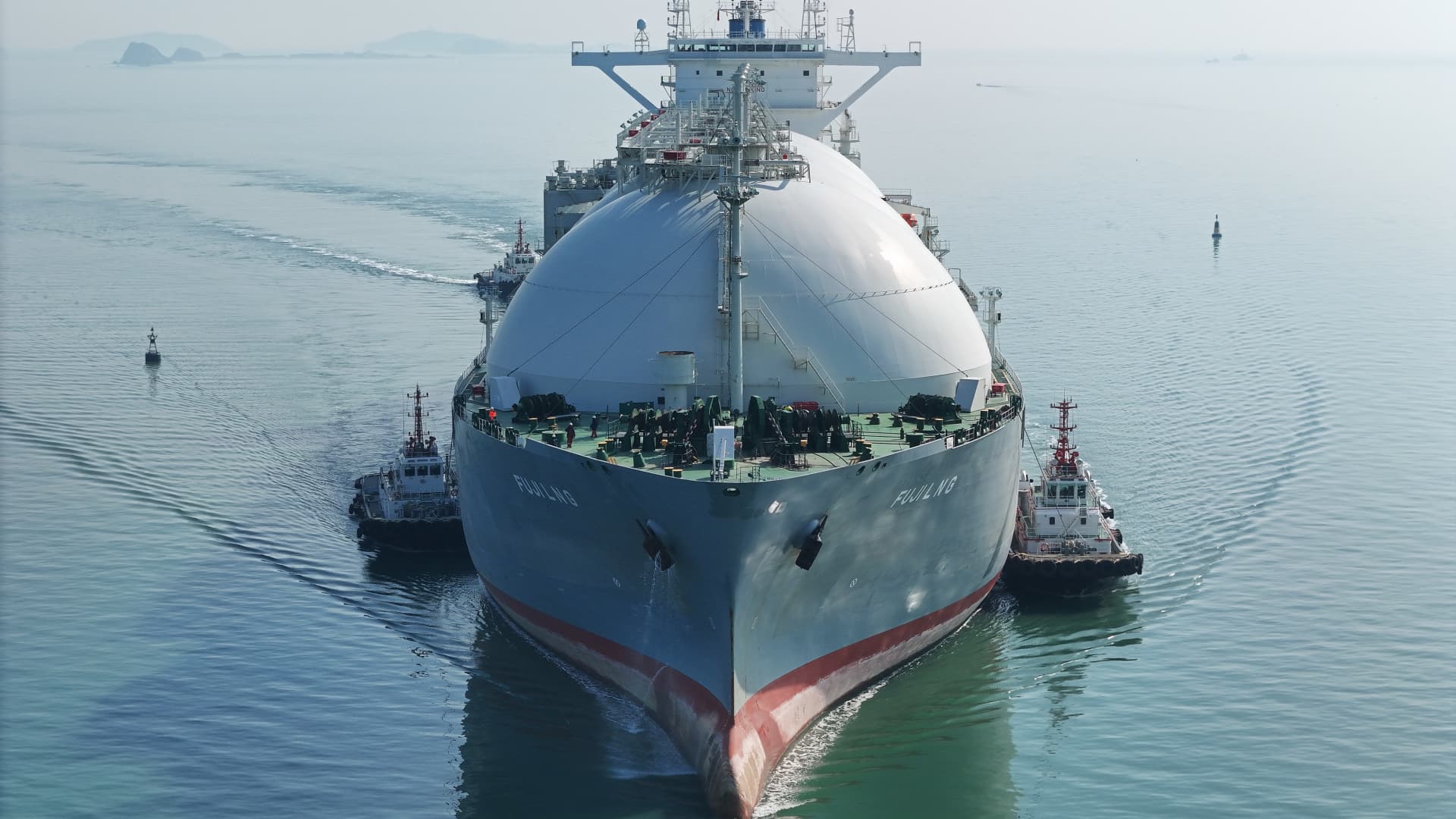
Major integrated energy companies are making a formidable push into Liquified Natural Gas (LNG), signaling a deep conviction in the super-cooled commodity’s future despite growing predictions of natural gas demand peaking this decade. This strategic pivot represents a significant investment thesis, positioning LNG not merely as a transitional fuel, but as a core pillar of long-term growth and portfolio diversification. Companies like Shell, TotalEnergies, ExxonMobil, and Chevron are dedicating substantial capital and strategic focus to expanding their LNG footprints, a move that challenges prevailing narratives from international energy watchdogs and underscores a divergent outlook on the pace and direction of the global energy transition.
The Multi-Billion Dollar LNG Commitment
The scale of this industry-wide commitment to LNG is profound. Britain’s Shell, a global leader in the LNG market, has explicitly identified the commodity as a primary strategic focus, with CEO Wael Sawan emphasizing its integral role in the company’s long-term vision. France’s TotalEnergies anticipates a robust 50% increase in its managed LNG volumes between 2023 and 2030, reflecting an aggressive growth trajectory. Stateside, ExxonMobil is targeting a doubling of its LNG portfolio by 2030, while Chevron continues to expand existing projects and develop new facilities. The commitment extends beyond traditional oil and gas producers; service giant Baker Hughes recently bolstered its LNG exposure with the substantial acquisition of Chart Industries for $13.6 billion, highlighting the expanding ecosystem surrounding this crucial fuel. These collective actions indicate a strong belief that LNG will be a cornerstone of global energy supply for decades, driven by economic expansion in Asia, industrial decarbonization efforts, and the escalating demands of an AI-powered future.
Navigating Market Volatility: LNG’s Role Amidst Price Swings
This aggressive LNG strategy unfolds against a backdrop of fluctuating crude markets, underscoring the majors’ drive for portfolio resilience. As of today, Brent Crude trades at $94.25, reflecting a 1.29% decline in a day range of $93.98-$95.69, while WTI Crude sits at $85.90, down 1.74% with a day range of $85.50-$86.78. This recent dip comes on the heels of a more significant correction, with Brent shedding nearly 20% in the last two weeks, falling from $118.35 on March 31st to $94.86 yesterday. Such volatility in traditional oil markets reinforces the appeal of diversifying into segments like LNG, which offers a different demand profile and potentially more stable growth trajectory. While gasoline prices also saw a slight decline to $3.01, the broader picture suggests an environment where a versatile energy source like LNG, capable of responding to regional energy shocks and seasonal demand spikes, becomes increasingly valuable. Investors must weigh the inherent stability sought by these diversification efforts against the environmental scrutiny facing all fossil fuels, including the debate over natural gas as a “bridge fuel” given concerns about methane emissions.
Conflicting Forecasts and Investor Focus on Future Trajectories
The bullish outlook from oil majors for LNG directly contrasts with projections from the International Energy Agency (IEA), which expects global gas demand to plateau, or even peak, by the end of this decade as clean energy sources gain prominence. Shell, for example, forecasts LNG demand growth of 60% between now and 2040, driven by projected economic growth in Asia, heavy industry, transport, and the artificial intelligence boom. This significant divergence creates a critical juncture for investors. Our proprietary reader intent data reveals investors are keenly focused on future price trajectories, with queries like “what do you predict the price of oil per barrel will be by end of 2026?” dominating discussions. While we cannot offer specific price predictions, the majors’ LNG bet is a direct challenge to the IEA’s “peak gas” scenario, suggesting they see continued robust demand where others project stagnation. Investors must assess which of these forecasts holds more weight, considering the long-term capital commitments involved in large-scale LNG projects. The perceived environmental benefits of natural gas over coal and oil are often cited, but methane leakage concerns present a material risk that could influence future regulatory landscapes and investor sentiment.
Upcoming Catalysts and the Path Forward for LNG Investment
The strategic deployment of capital into LNG by energy giants will be subject to ongoing market dynamics and upcoming industry events. The coming weeks present several pivotal junctures for energy markets that could influence the broader investment landscape for LNG. The OPEC+ Joint Ministerial Monitoring Committee (JMMC) Meeting on April 21st could signal shifts in crude supply strategy, indirectly impacting the broader energy sentiment and the relative attractiveness of gas. The EIA Weekly Petroleum Status Reports on April 22nd and 29th, alongside API Weekly Crude Inventory data on April 28th and May 5th, will offer fresh insights into domestic demand and supply dynamics across the energy complex. Crucially for LNG investors, the EIA’s Short-Term Energy Outlook on May 2nd will provide updated forecasts for natural gas, potentially validating or challenging the majors’ aggressive growth projections. Furthermore, the Baker Hughes Rig Count updates on April 24th and May 1st will indicate upstream activity levels, a key determinant of future gas production. For investors, understanding these macro and micro drivers, alongside the majors’ conviction, is essential for navigating the complex and potentially lucrative future of LNG in the global energy mix.