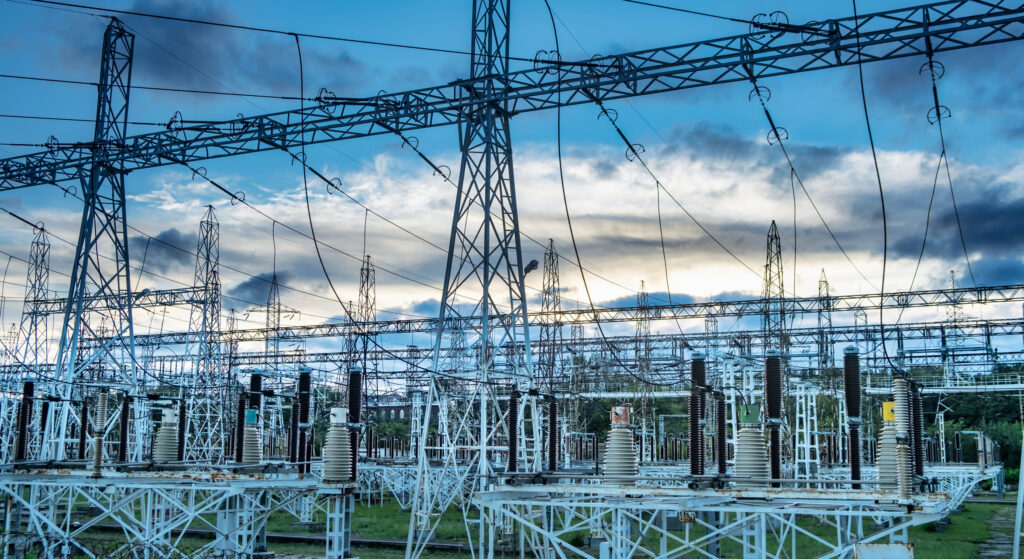
The global energy landscape is undergoing a profound transformation, with electricity demand surging at an unprecedented pace. Latest industry reports confirm that the world is experiencing the fastest growth in power consumption in 15 years, a trend projected to continue through the end of the decade. This ‘Age of Electricity’ is being driven by powerful forces: the insatiable appetite of AI infrastructure, the expansion of advanced manufacturing, and the widespread push for electrification. While this demand boom presents immense opportunities for renewables, nuclear, and natural gas, a critical bottleneck looms large: the global power grid’s lagging infrastructure. For oil and gas investors, this dynamic creates a nuanced and often counter-intuitive investment thesis, where the faltering pace of grid expansion could unexpectedly bolster the near-term relevance of traditional hydrocarbons.
The Relentless Rise of Global Power Demand
Recent analysis underscores the scale of this electricity demand surge. Global power demand is expected to climb by more than 3.5% annually on average through 2030. This robust growth follows a 3% increase in 2025 and a 4.4% rise in 2024, signaling a sustained acceleration. Driving this expansion are key sectors including industrial consumption, the rapid adoption of electric vehicles (EVs), increased air conditioning usage, and, significantly, the explosive growth of data centers powering artificial intelligence. While emerging economies, particularly China, India, and Southeast Asia, are anticipated to contribute 80% of this additional demand by 2030, advanced economies are also re-entering a growth phase after 15 years of stagnation. The United States, for instance, saw electricity demand rise by 2.1% in 2025 and is projected to grow by nearly 2% annually through 2030, with data center expansion accounting for half of this increase. Similarly, the EU is forecast to see approximately 2% annual growth, reflecting a broad-based revival in power demand across developed nations.
Grid Bottlenecks: A Structural Tailwind for Flexible Power Generation
Despite the optimistic forecasts for power generation, a crucial challenge threatens to slow the “Age of Electricity”: the inadequate pace of grid infrastructure investment. While new capacity, especially from renewables and natural gas, is coming online, a staggering 2,500 gigawatts (GW) worth of projects globally – encompassing renewables, storage, and large load centers like data centers – are currently stalled in connection queues. This represents a significant roadblock to integrating new, cleaner energy sources. To meet projected demand growth through 2030, annual global grid investment, currently around $400 billion, would need to increase by approximately 50%. The current supply chains for grid-related components are also struggling to keep pace. This structural deficit in grid capacity and flexibility means that even as demand for electricity skyrockets, the ability to reliably deliver it from intermittent sources is constrained. This scenario inherently strengthens the investment case for readily dispatchable power sources, predominantly natural gas, which can quickly respond to demand fluctuations and grid instabilities, thereby providing an unexpected boost to the broader hydrocarbon sector.
Navigating Market Volatility: Crude Prices and Investor Focus
The interplay of surging electricity demand and grid limitations occurs against a backdrop of dynamic crude markets. As of today, Brent Crude trades at $92.99 per barrel, showing a robust +2.83% gain, with WTI Crude following at $89.40, up 2.26%. This upward swing provides some relief after a significant correction over the past two weeks, during which Brent shed nearly 20% from its March 31st high of $118.35, closing yesterday around $94.86. Our proprietary reader intent data reveals that investors are keenly focused on the direction of crude prices, with questions frequently asking “is WTI going up or down?” and seeking predictions for the “price of oil per barrel by end of 2026.” While the underlying demand for energy remains strong, as evidenced by the electricity surge, crude oil prices are also heavily influenced by geopolitical events, inventory levels, and OPEC+ policy decisions. The recent price pullback suggests that supply-side factors and broader macroeconomic concerns have temporarily outweighed the bullish signals from energy demand. However, the consistent, long-term growth in power demand provides a robust fundamental floor for natural gas, and indirectly, for integrated oil and gas companies that produce it.
Strategic Implications and Upcoming Catalysts for O&G Investors
For discerning oil and gas investors, the current market dynamics demand careful consideration. The grid’s inability to keep pace with generation capacity implies sustained reliance on natural gas for power generation, particularly in regions where intermittent renewables are expanding rapidly. This provides a strong fundamental backdrop for natural gas producers and infrastructure companies. Looking ahead, several key events on our proprietary calendar will offer crucial insights. Today, the OPEC+ Joint Ministerial Monitoring Committee (JMMC) meeting is taking place, a critical event that could signal future production policy and impact crude price direction. Investors will be closely watching for any hints regarding current output levels or future adjustments. This week also brings the EIA Weekly Petroleum Status Report on Wednesday, April 22nd, and the Baker Hughes Rig Count on Friday, April 24th, providing vital snapshots of U.S. inventory levels and drilling activity. Further inventory data from API is due on April 28th, followed by another EIA report on April 29th and Baker Hughes on May 1st. Most importantly for those seeking 2026 price predictions, the EIA Short-Term Energy Outlook (STEO) is scheduled for May 2nd. This report will offer updated supply/demand forecasts and price projections, directly addressing investor questions about where crude prices might settle by year-end. Companies well-positioned in natural gas production, LNG export, and even those involved in grid-enhancing technologies or flexible power solutions could see significant tailwinds from these structural energy trends.