Revolutionizing Human Performance in Oil & Gas with Advanced Wearables
The global oil and gas sector operates at the confluence of immense technological complexity and significant human risk. As the industry continually pushes the boundaries of extraction, refining, and distribution, the performance and well-being of its human capital become increasingly critical. Against this backdrop, groundbreaking advancements in wearable technology are emerging, promising to redefine operational safety and efficiency by providing unprecedented insights into human cognitive states. One such innovation, an ultra-thin, non-invasive sensor, is drawing attention for its potential to monitor mental workload in real-time, offering a crucial edge in high-stakes environments.
Gauging the Cognitive Load: A New Frontier in Operational Safety
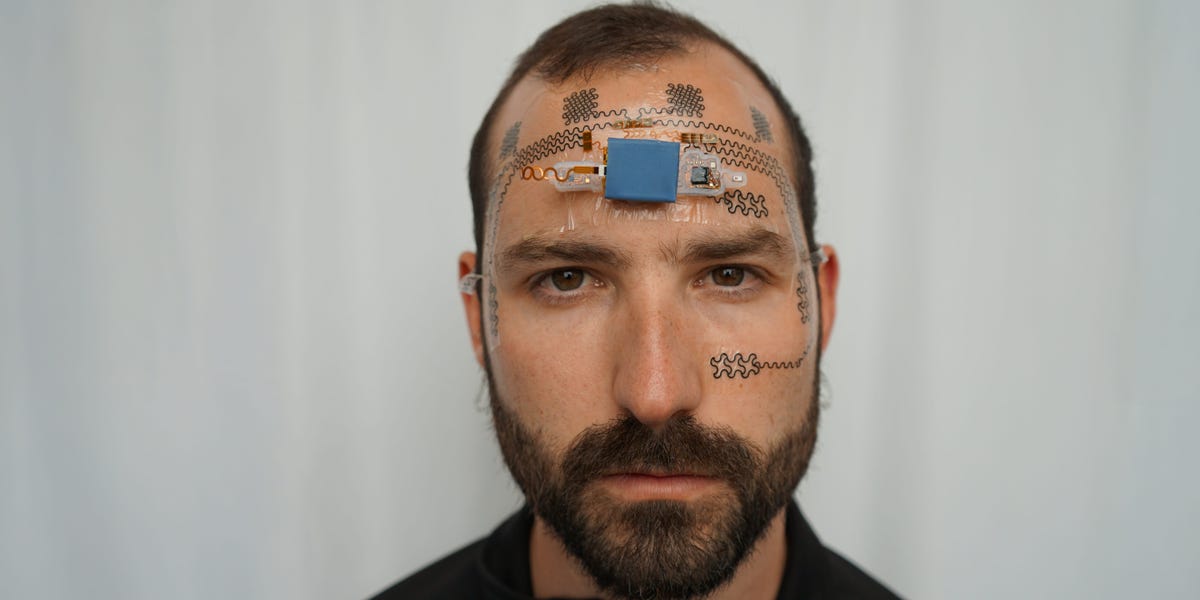
Researchers at the University of Texas at Austin, led by engineering professor Nanshu Lu and Luis Sentis, have developed a revolutionary wireless wearable device. This technology, likened to a temporary tattoo sticker, adheres to the skin and intricately measures both brain activity and eye movement. Its primary function is to accurately gauge an individual’s mental workload, a metric of paramount importance in professions demanding intense focus and quick decision-making under pressure. For the oil and gas industry, where errors can have catastrophic consequences, understanding and mitigating operator fatigue or cognitive overload presents a massive opportunity for enhanced safety and operational resilience.
Professor Lu emphasizes the growing disparity between rapid technological advancement and the slower pace of human evolution. “Technology is developing much faster than human evolution,” she notes, highlighting the challenge of human operators keeping pace with modern job demands. This cognitive gap underscores the necessity of tools that prevent operator overload, which not only jeopardizes mission outcomes but also poses significant health risks to personnel. In the demanding environments of offshore rigs, complex refinery control rooms, or remote drilling sites, this capability could be transformative, ensuring that critical tasks are performed by operators functioning at optimal cognitive levels.
Beyond Fitness Trackers: Deep Dive into Brainwave Monitoring
While the market is awash with consumer-grade wearables—from smartwatches to fitness trackers and virtual reality headsets—these devices typically focus on physiological data like heart rate, sleep patterns, or body temperature. The innovation from the University of Texas at Austin represents a significant leap forward by directly analyzing brain activity. This advanced sensor, an evolution of previous “e-tattoos” designed to monitor cardiovascular health and mental stress via palm sweating, now directly taps into brainwaves, functioning as a sophisticated electroencephalogram (EEG) sensor.
What sets this particular device apart is its form factor. Unlike conventional EEG setups that can be cumbersome, this new iteration is notably smaller and lighter, making it ideal for continuous, unobtrusive monitoring in active industrial settings. Its non-invasive nature and ease of application mean it can be seamlessly integrated into daily operational routines for personnel ranging from drilling engineers and seismic surveyors to equipment operators and control room specialists. This capability allows for continuous, real-time assessment of cognitive states, moving beyond subjective self-reporting to objective, data-driven insights.
Investment Implications: Boosting Safety and Efficiency in O&G
For investors eyeing the oil and gas sector, the adoption of such advanced wearable technologies presents a compelling narrative for enhanced enterprise value. The direct benefits translate into tangible improvements across several key areas:
- Enhanced Safety Protocols: Proactive identification of mental fatigue or stress in operators can prevent human error, a leading cause of incidents in the industry. By flagging potential issues before they escalate, companies can significantly reduce the frequency and severity of accidents, safeguarding human lives and assets. This directly impacts HSE performance, a critical metric for investor confidence and regulatory compliance.
- Optimized Operational Efficiency: Understanding the mental workload of personnel allows for better resource allocation, optimized shift rotations, and targeted training interventions. Preventing errors and downtime caused by cognitive lapses leads to increased operational uptime and reduced costly rework, directly impacting the bottom line.
- Improved Training and Skill Development: Data on mental workload during training simulations can pinpoint areas where operators struggle, allowing for more personalized and effective educational programs. This accelerates skill acquisition and ensures a higher level of competency across the workforce.
- Regulatory Advantage: Companies demonstrating proactive adoption of cutting-edge safety technologies can gain a favorable position with regulators, potentially leading to smoother permitting processes and reduced scrutiny.
- Talent Retention and Attraction: Investing in employee well-being and safety through advanced technology can make an organization a more attractive employer, crucial in a competitive labor market for specialized skills.
The Future of Human-Machine Teaming in Energy
The integration of advanced neuro-monitoring wearables represents a significant step towards a more intelligent and responsive human-machine interface in the oil and gas industry. Imagine a future where control systems can adapt to an operator’s cognitive state, providing assistance or alerts when mental workload reaches critical thresholds. This seamless feedback loop promises to create safer, more efficient, and ultimately more productive operational environments.
As the energy transition progresses and the industry tackles increasingly complex projects, the role of human performance optimization will only grow. Companies that embrace these innovations are not just investing in gadgets; they are investing in a future where human potential is maximized, risks are minimized, and operational excellence becomes the standard. Investors should closely monitor firms actively exploring and integrating such human-centric technologies, as they are likely to be the frontrunners in defining the next era of energy production and security.
The journey from basic health monitoring to sophisticated brainwave analysis underscores a broader trend: technology is increasingly being leveraged not just to automate tasks, but to augment human capabilities and safeguard human well-being. For the oil and gas sector, this evolution is not merely a technological upgrade but a fundamental shift towards a safer, smarter, and more sustainable operational paradigm, creating compelling opportunities for discerning investors.


