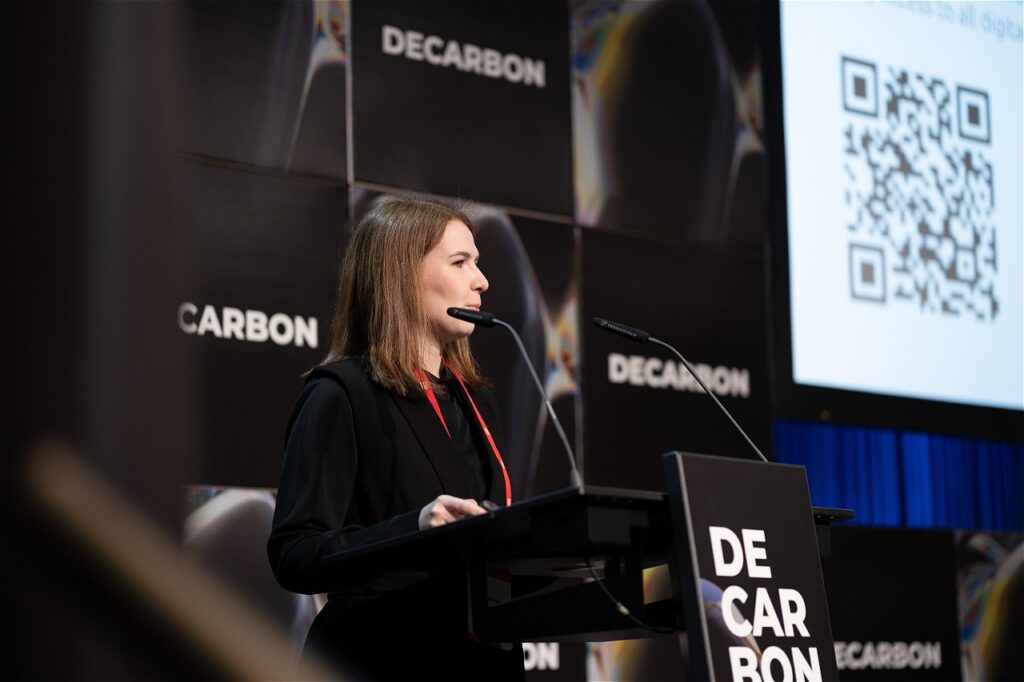
The global oil and gas sector stands at a pivotal juncture, grappling with the dual imperatives of meeting persistent energy demand and dramatically reducing its environmental footprint. Decarbonization is no longer a peripheral concern but a core strategic pillar, influencing capital allocation, technological adoption, and long-term business models. As market leaders prepare to converge at DECARBON 2026 in Vösendorf, Austria, from February 9-10, the focus sharpens on actionable strategies that reconcile environmental commitments with operational realities. This isn’t about distant aspirations; it’s about deploying proven solutions today to reshape the future of energy investment, and investors are keenly watching how companies navigate this complex terrain.
Navigating Price Volatility in the Decarbonization Era
The immediate market landscape provides a stark backdrop for these long-term strategic discussions. As of today, Brent Crude trades at $98.57, reflecting a -0.83% dip within a day range of $97.92-$98.57. WTI Crude follows a similar trajectory, priced at $90.18, down -1.09% in a range of $89.57-$90.21, while gasoline holds steady at $3.09. More significantly, the past two weeks have seen Brent shed $14, marking a 12.4% decline from its $112.57 perch on March 27th. This inherent price volatility underscores a critical challenge: how do oil and gas companies maintain robust investment in decarbonization initiatives when revenue streams are subject to such fluctuations?
For investors, this volatility is a double-edged sword. While lower prices might theoretically reduce the capital available for green projects, it also intensifies pressure to build more resilient, future-proof businesses less susceptible to fossil fuel price swings. The pragmatic approach highlighted by DECARBON 2026 organizers – “the goal is not to wait for a perfect solution, but to start with what is available now” – resonates strongly in this environment. Companies that can demonstrate efficient, scalable decarbonization pathways, even amidst market turbulence, are likely to attract more patient and strategic capital. The ability to integrate these solutions without delaying implementation becomes a key differentiator.
Strategic Pathways: Accelerating Practical Decarbonization Solutions
The emphasis at DECARBON 2026 is firmly on real-world applications and tangible progress. The congress offers a vital platform for showcasing advanced digital tools, the deployment of low-carbon hydrogen, sophisticated carbon capture, utilization, and storage (CCUS) technologies, and the integration of alternative fuels. These aren’t just buzzwords; they represent concrete investment opportunities and operational efficiencies. Shell, for example, will present critical insights from its global CCUS operations, demonstrating how a major industry player is making significant strides in carbon management. Similarly, DESFA’s APOLLOCO2 project, focusing on pipeline transportation, liquefaction, and permanent storage of CO2, offers another compelling case study in large-scale infrastructure adaptation.
Investors are increasingly scrutinizing the “how” behind decarbonization pledges. They seek evidence of technological maturity, project scalability, and clear pathways to return on investment. The diverse participation at the congress – from oil and gas producers to EPCs, technology providers, and equipment manufacturers – creates a unique ecosystem for identifying best practices and forging partnerships. This collaborative environment is crucial for accelerating the adoption of solutions that align both environmental goals and business performance. The focus on practical lessons learned from successful implementations provides invaluable intelligence for portfolio managers evaluating future growth prospects in a transforming energy landscape.
Forward-Looking Catalysts: Integrating Near-Term Events with Long-Term Strategy
While DECARBON 2026 sets a long-term strategic agenda for early next year, the current investment climate is heavily influenced by immediate market catalysts. Investors are closely monitoring a series of upcoming events that will shape short-term supply-demand dynamics and, by extension, the broader appetite for capital-intensive decarbonization projects. This week brings the latest Baker Hughes Rig Count on April 17th, offering a pulse check on upstream activity. Crucially, the OPEC+ Joint Ministerial Monitoring Committee (JMMC) meets on April 18th, followed by the full Ministerial OPEC+ Meeting on April 20th. These gatherings have the potential to significantly impact crude supply and price stability, directly influencing the financial headroom for energy transition investments.
Further insights into market balances will come from the API Weekly Crude Inventory report on April 21st and the EIA Weekly Petroleum Status Report on April 22nd, with subsequent releases scheduled for April 28th and 29th. These inventory data points provide critical indications of current supply-demand imbalances. For companies committed to decarbonization, understanding these market fundamentals is not a distraction, but a necessity. Strategic planning for low-carbon investments must account for potential short-term market shifts, demonstrating resilience and adaptability. The interplay between these immediate market signals and the long-term vision articulated at forums like DECARBON 2026 is what defines a truly robust investment strategy in today’s energy sector.
Investor Priorities: Aligning Capital with Carbon Reduction Goals
Our proprietary reader intent data reveals a clear picture of what investors are actively seeking: immediate market clarity alongside an understanding of strategic shifts. Questions such as “What are OPEC+ current production quotas?” and “What is the current Brent crude price?” consistently top the list of inquiries. This signals that while the industry is undeniably moving towards decarbonization, the foundational elements of supply, demand, and pricing remain paramount for investment decisions. Investors need to understand how companies are managing their core business, even as they pivot towards lower-carbon operations.
This dual focus underscores a key challenge for oil and gas firms: effectively communicating how their decarbonization strategies contribute to sustainable shareholder value without compromising short-term operational stability. Companies that can articulate a clear narrative – demonstrating how investments in CCUS, low-carbon hydrogen, or efficiency-enhancing digital tools enhance long-term profitability, reduce regulatory risk, and improve environmental performance – will gain a distinct advantage. The discussions at DECARBON 2026, featuring leaders like Shell and DESFA presenting tangible case studies, are crucial for providing the transparency and practical insights investors demand to confidently allocate capital in this evolving energy landscape. The imperative is to show that environmental responsibility and strong financial performance are not mutually exclusive, but increasingly interdependent.