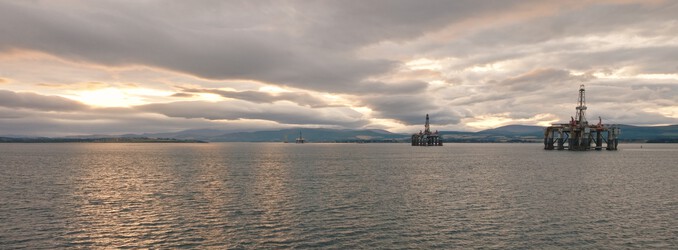
The United Kingdom’s energy landscape is at a critical juncture, caught between ambitious decarbonization goals and the immediate imperative of energy security. With geopolitical tensions in key producing regions highlighting supply vulnerabilities, the spotlight is firmly back on domestic capabilities. The industry body Offshore Energies UK (OEUK) has issued a powerful call for urgent reform of the Energy Profits Levy (EPL), arguing that a swift overhaul could unlock substantial investment in the North Sea, curb reliance on volatile LNG imports, and fortify the nation’s energy resilience. For investors tracking the European energy market, this isn’t just a policy debate; it’s a direct signal for future capital allocation, project viability, and the long-term prospects of UK-focused upstream operators.
The North Sea’s Investment Paradox: High Taxes vs. Energy Security
The UK North Sea, a mature but still significant hydrocarbon basin, faces a unique challenge. While domestic production remains crucial for energy supply, particularly natural gas, investment has been increasingly constrained by the current fiscal regime. OEUK’s latest analysis underscores this dilemma, asserting that replacing the existing EPL with a permanent, price-triggered mechanism now – rather than waiting until its scheduled cessation in March 2030 – could unlock a staggering £50 billion in capital. This isn’t merely about corporate profits; it’s about stemming the decline in domestic gas production and dramatically altering the UK’s import dependency. Without reform, the industry projects LNG could account for 46% of UK gas supplies by 2035. With the proposed changes, that figure could plummet to just 6%, a transformative shift in energy security. This policy certainty is paramount for attracting the long-term capital required for complex offshore projects, which often have investment horizons spanning years, if not decades.
Market Realities: Geopolitics, Prices, and Producer Sentiment
The urgency of the OEUK’s plea is amplified by a volatile global energy market. Escalating conflict in the Middle East has reignited concerns over critical chokepoints like the Strait of Hormuz and the stability of major LNG suppliers. While these geopolitical events undeniably introduce risk, the immediate impact on crude benchmarks has been somewhat contained. As of today, April 22, 2026, Brent Crude trades at $92.95 per barrel, reflecting a modest -0.31% dip, with WTI Crude similarly down at $89.45. This follows a broader trend over the past two weeks, where Brent has actually seen a decline from $101.16 on April 1st to $94.09 yesterday. This divergence between high geopolitical risk and a somewhat subdued crude price trajectory highlights the complex interplay of supply, demand, and market sentiment. For North Sea producers, this means that while the broader energy security argument is strong, the “windfall” conditions that initially justified the levy may not be consistently present, making a fixed, high tax rate (currently at a headline 78%) particularly punitive and a deterrent to investment.
Investors Seek Clarity: De-Risking UK Upstream Assets
Our proprietary reader intent data reveals a clear demand from investors for clarity on market direction and its impact on specific company performance. Questions like “what do you predict the price of oil per barrel will be by end of 2026?” and inquiries about the performance of specific European majors underscore the need for predictable market conditions and policy frameworks. The industry’s call for a “price-triggered mechanism” directly addresses this investor concern. Instead of a static levy that makes long-term financial planning a guessing game, a mechanism that adjusts tax rates based on prevailing commodity prices offers a degree of certainty. This would allow companies to better model project economics, estimate returns, and allocate capital more confidently to UK North Sea projects. Without such clarity, capital will inevitably flow to jurisdictions with more stable and predictable fiscal regimes, regardless of the geological potential or strategic importance of UK assets. Investors are not just asking about price direction; they’re implicitly asking about the policy environment that shapes the profitability and risk profile of their investments.
Upcoming Catalysts and the Path Forward for UK Energy Policy
The coming weeks will offer crucial insights into the broader energy market dynamics that could influence the UK’s policy decisions. Regular data releases, such as the EIA Weekly Petroleum Status Reports on April 22nd, April 29th, and May 6th, alongside the Baker Hughes Rig Counts on April 24th and May 1st, will provide granular detail on global supply and demand trends. Crucially, the EIA Short-Term Energy Outlook on May 2nd will offer updated projections for commodity prices and market balances, directly informing investor expectations regarding future oil and gas prices. These global indicators, combined with the ongoing domestic debate, will set the stage for any potential policy shifts. While the Green Party’s recent by-election win and calls for tightening the existing levy present a counter-narrative, the compelling economic and energy security arguments put forth by OEUK demand serious consideration. The government faces a delicate balancing act: funding public services, meeting climate targets, and ensuring a secure, affordable energy supply. The decision on the EPL’s future is not just about tax revenue; it’s about shaping the UK’s energy destiny for decades to come, directly impacting the investment thesis for every company operating in the British North Sea.