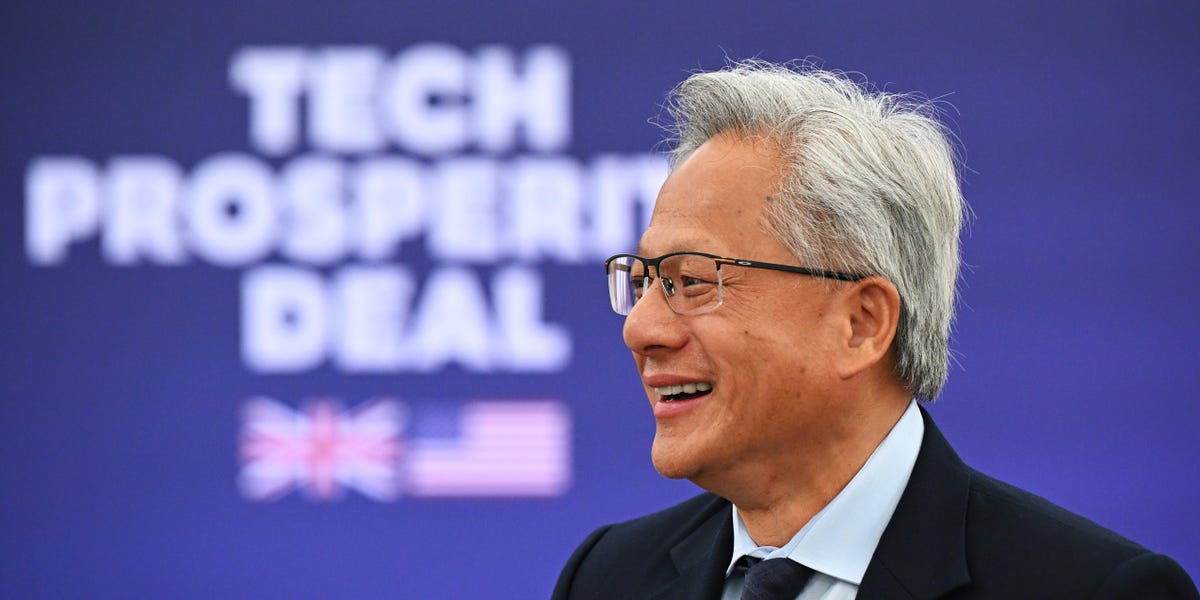
The energy sector, often perceived through the lens of geopolitics and commodity cycles, is increasingly interwoven with seemingly disparate global trends. One such trend, often discussed in the tech world, is the global competition for talent. Recent comments from Nvidia CEO Jensen Huang regarding the proposed $100,000 H-1B visa fee, while aimed at the technology industry, carry profound implications for oil and gas investors. Huang highlighted how such policies elevate business costs, potentially tilting the playing field towards larger corporations, and crucially, impact the flow of global talent—a key performance indicator for any nation’s future success. For the energy industry, which is grappling with an aging workforce, the demands of the energy transition, and the need for cutting-edge innovation, the ability to attract and retain top-tier expertise is not just a ‘nice-to-have’ but a fundamental driver of long-term value and operational efficiency. Investors must consider how these broader talent dynamics, alongside market fundamentals, will shape the future landscape of oil and gas.
Global Talent Dynamics and Energy Innovation
Jensen Huang’s articulation of talent inflow as an “early indicator of the country’s future success” resonates deeply within the energy sector. The oil and gas industry is undergoing a significant transformation, necessitating not only traditional engineering prowess but also a surge in digital skills, AI expertise, data science capabilities, and specialized knowledge in renewable energy technologies and carbon capture. A policy like the proposed $100,000 H-1B visa fee, which Huang suggests “sets the bar a little too high” for attracting foreign students and researchers, could disproportionately affect the energy industry’s ability to fill these critical skill gaps. While the immediate impact of such a fee might be felt by tech companies, the downstream effect on the broader economy and the availability of specialized talent pools is undeniable. Smaller, innovative energy startups or service providers, much like the tech startups Huang referenced, could struggle to compete with integrated majors for international talent, potentially stifling the very innovation needed to drive efficiency, sustainability, and diversification across the energy value chain. Investors looking for long-term growth in the energy space should monitor these policy discussions closely, as they directly influence the human capital pipeline essential for future breakthroughs and competitive advantage.
Navigating Current Market Volatility Amidst Broader Economic Shifts
The broader economic environment, often influenced by policy decisions and global talent flows, directly impacts energy demand and prices. As of today, Brent Crude trades at $90.38, reflecting a significant 9.07% drop within the day’s range of $86.08-$98.97. WTI Crude mirrors this volatility, priced at $82.59, down 9.41% from its daily high, fluctuating between $78.97 and $90.34. This recent downturn extends a noticeable trend; over the past 14 days, Brent has fallen from $112.78 on March 30th to its current level, marking a substantial $22.4 or 19.9% decline. Gasoline prices have also seen a dip, currently at $2.93, down 5.18% for the day. This price action isn’t just a reaction to immediate supply-demand imbalances but also reflects investor sentiment concerning global economic health and, implicitly, the long-term impact of policies affecting business costs and talent mobility. Huang’s warning that a steep visa cost could mean “more investment outside the US” highlights a critical risk: if the cost of doing business, including securing specialized talent, becomes prohibitive in one region, capital will flow elsewhere. For oil and gas, this could mean shifts in exploration, production, and technology development investments, ultimately impacting future supply and the competitive positioning of various energy markets.
Key Events Shaping the Energy Outlook
Looking ahead, the energy market is bracing for several critical events that will provide further clarity on supply, demand, and investor sentiment. The upcoming OPEC+ Ministerial Meeting on April 19th is paramount. Investors are keenly asking about OPEC+’s current production quotas and what adjustments, if any, might be made in response to recent price volatility and global demand signals. Any shifts in production policy from this influential cartel will have an immediate and significant impact on crude oil prices and the profitability of upstream operators. Following this, the API Weekly Crude Inventory report on April 21st and the EIA Weekly Petroleum Status Report on April 22nd will offer vital insights into US crude stockpiles, refinery activity, and product demand. These reports are crucial for gauging the health of the world’s largest oil consumer and often trigger short-term price movements. Furthermore, the Baker Hughes Rig Count on April 24th will provide a snapshot of drilling activity, indicating future production trends. These events, occurring within a compressed timeframe, will test the resilience of the current market and could either stabilize or exacerbate the recent downward price pressure. Investors should monitor these dates closely, as the data and decisions emerging from them will heavily influence the trajectory of oil prices into the second quarter of 2026.
Addressing Investor Concerns and Future Price Trajectories
Our proprietary reader intent data reveals a consistent theme among investors this week: a focus on future oil prices and the performance of key players. Many are asking, “What do you predict the price of oil per barrel will be by the end of 2026?” This question underscores the inherent uncertainty in the market, exacerbated by recent volatility. While precise predictions are challenging, the interplay of geopolitical stability, global economic growth, and the supply-side discipline from groups like OPEC+ will be crucial. The upcoming OPEC+ meeting, as highlighted, is a major factor. Should they maintain or even deepen cuts, it could provide a floor for prices, but if a more relaxed approach is taken, further downside is possible, especially if global demand falters. Another common query revolves around specific company performance, such as “How well do you think Repsol will end in April 2026?” Company-specific performance will increasingly hinge on operational efficiency, successful navigation of the energy transition, and their ability to attract and retain the specialized talent discussed by Jensen Huang. Companies that can innovate, embrace new technologies, and secure a diverse workforce will be better positioned to weather price fluctuations and capitalize on emerging opportunities. The broader context of talent policies, as Huang pointed out, directly impacts a company’s ability to innovate and manage costs, thus influencing its long-term investment appeal.


