Norway’s Evolving Energy Footprint: What Sluggish Gas Output Means for Investors in a Volatile Market
Norway, a stalwart in global energy supply, continues to command significant attention from investors. Recent official data paints a nuanced picture of the Nordic nation’s production landscape, particularly concerning natural gas. While year-to-date gas output for the first three quarters of 2025 registered a decline compared to the previous year, oil production showed more robust performance. For investors navigating today’s volatile energy markets, understanding these shifts is paramount. Our proprietary data pipelines at OilMarketCap.com reveal a market grappling with significant daily price swings and a keen focus on future supply signals, making Norway’s output trends a critical piece of the global energy puzzle.
Gas Supply Tightens: Europe’s Lifeline Under Pressure
Official data for the first three quarters of 2025 shows Norway’s average natural gas production at 326.26 million standard cubic meters per day (MMscmd). This marks a notable decrease from the 341.25 MMscmd averaged during the same nine-month period in 2024. More granularly, preliminary figures for September 2025 estimated gas output at 282.1 MMscmd, a 15.6 percent drop from August 2025 and falling short of the Norwegian Offshore Directorate’s (NOD) forecast by 1.9 percent. This persistent softening in gas production is a significant indicator for European energy security. Norway remains the European Union’s primary gas supplier, accounting for 31 percent, or 21.7 Bcm, of its total gas in the first quarter of 2025. Critically, Norway’s share of the EU’s piped gas imports surged to 55 percent, or 20.6 Bcm, representing a five-percentage-point increase from the fourth quarter of 2024, largely driven by the cessation of the Ukraine-Russia transit deal. As Europe continues to de-risk its energy supply, any sustained decline in Norwegian gas output places upward pressure on regional gas prices and underscores the fragility of existing supply chains.
Crude Market Volatility Meets Norway’s Resilient Oil Output
While gas figures show a contraction, Norway’s oil production offers a contrasting narrative. In September 2025, oil output averaged 1.82 million barrels per day (MMbpd). This figure, despite being down seven percent from August 2025, represented a robust 13.7 percent increase from September 2024 and exceeded the NOD’s projection by 5.4 percent. Total liquids production, encompassing oil, natural gas liquids (NGL), and condensate, also demonstrated strength, reaching 1.99 MMbpd in September 2025, up 14.8 percent year-on-year. This growth in oil production comes amidst a period of heightened volatility in global crude markets. As of today, Brent crude trades at $90.38, reflecting a significant daily decline of 9.07%, with WTI crude similarly dropping to $82.59, down 9.41%. Our proprietary 14-day Brent trend data highlights this turbulence, showing a stark drop from $112.78 on March 30th to today’s $90.38, a nearly 20% correction. In this environment, consistent oil supply from a stable, non-OPEC+ producer like Norway, especially when exceeding forecasts, provides a crucial counterweight to market anxiety and can influence investor sentiment regarding overall crude availability.
Investor Focus: Unpacking Supply Signals Amidst Macro Concerns
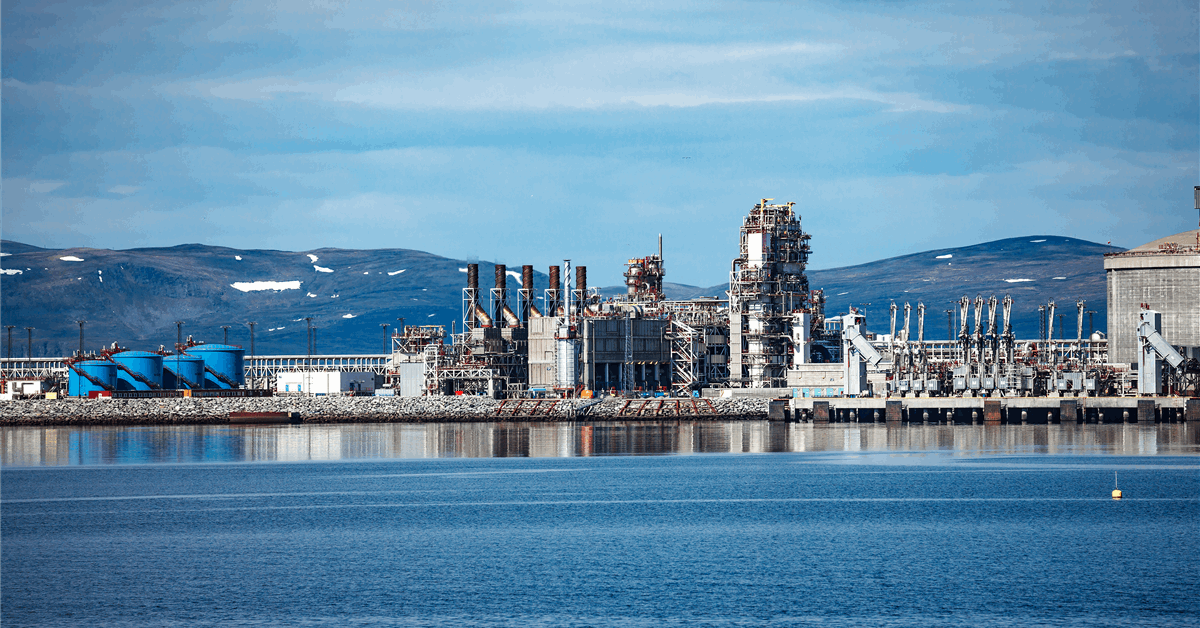
Our proprietary reader intent data offers a direct window into what investors are currently asking, revealing a pervasive focus on the trajectory of oil prices into late 2026, alongside pressing inquiries about OPEC+ production quotas. This directly links to the mixed signals emanating from Norway. How should investors interpret a scenario where Norway’s gas output is trending down year-on-year for the first nine months of 2025, yet its oil production is robustly exceeding expectations? Majority state-owned Equinor ASA, a key operator in Norway, reported Norwegian equity gas production of 704,000 boed and equity liquids production of 655,000 boed for the second quarter of 2025. The company explicitly stated that new production from fields like Johan Castberg and Halten East contributed, effectively offsetting natural decline and the impact of maintenance at Hammerfest LNG and the Kollsnes processing plant. Equinor also anticipates a four percent annual production growth across its global portfolio for 2025, despite an expected 30,000 boed impact from scheduled maintenance. For investors seeking clarity on future oil prices, understanding the net effect of these localized increases against broader national declines, and how they interact with global supply-side decisions, is crucial for refining long-term market outlooks and positioning portfolios effectively.
Forward Outlook: Upcoming Events to Shape Supply Perceptions
The coming weeks are packed with critical energy events that will further shape the supply narrative, providing context to Norway’s recent production figures. Investors will be keenly watching the OPEC+ Joint Ministerial Monitoring Committee (JMMC) Meeting on April 19th, followed by the full OPEC+ Ministerial Meeting on April 20th. Any decisions from these gatherings regarding production quotas will directly impact global crude supply. Against this backdrop, Norway’s role as a major non-OPEC+ supplier to Europe becomes even more pronounced, especially given its reduced gas output in 2025. Furthermore, the weekly API and EIA crude inventory reports, scheduled for April 21st, 22nd, 28th, and 29th, will offer real-time insights into U.S. supply-demand balances, while the Baker Hughes Rig Count on April 24th and May 1st will signal future drilling activity. These upcoming data points, combined with the ongoing analysis of Norway’s production trends and Equinor’s growth strategies, will be instrumental for investors in assessing the delicate balance of global energy supply as we move deeper into 2026. The sustained focus on European gas security, coupled with the unpredictable nature of crude markets, means that even localized production shifts from a key player like Norway can have outsized implications for the broader investment landscape.


