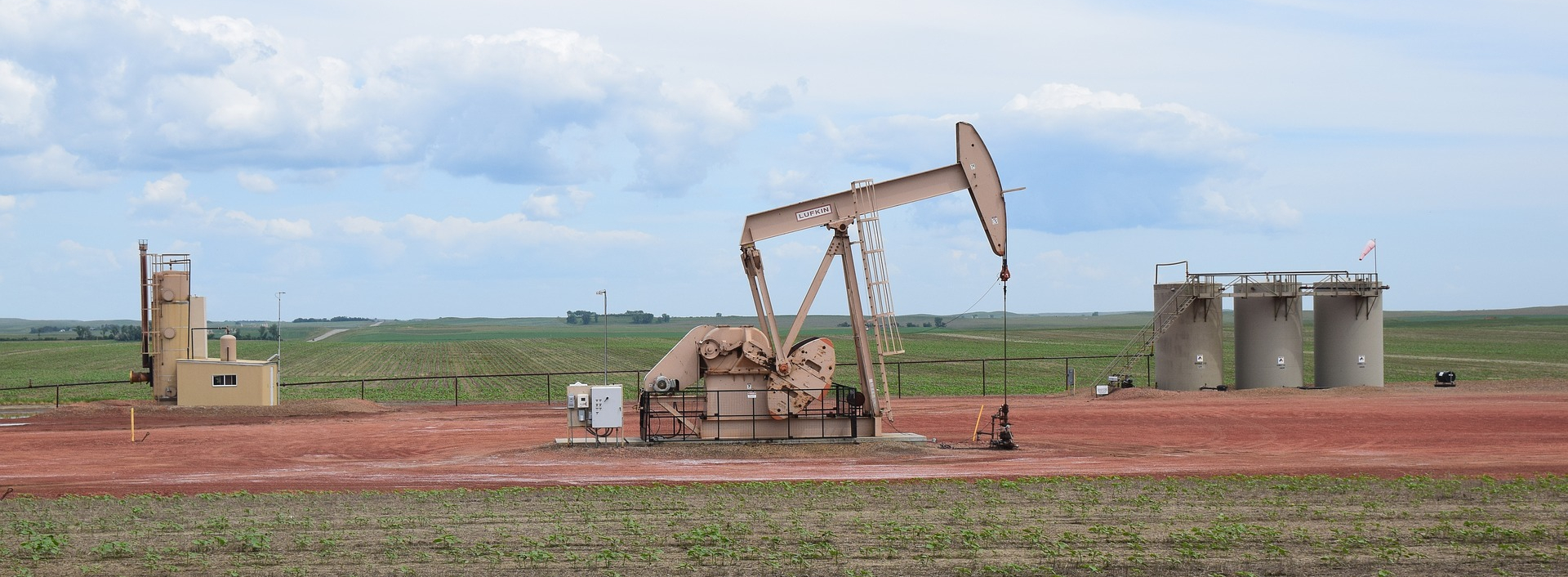
In a strategic move poised to significantly reshape the long-term outlook for domestic energy production, the North Dakota Industrial Commission has greenlit a substantial $45.1 million in matching grants for a new wave of Enhanced Oil Recovery (EOR) research and pilot projects. This pivotal funding round, part of the state’s long-standing Oil and Gas Research Program, is explicitly designed to extend the productive life of the prolific Williston Basin, a critical supply hub for North American energy markets. For investors, this initiative represents a calculated effort to unlock deeper value from mature assets, offering a compelling narrative of sustained production and reduced geological risk in an otherwise dynamic global energy landscape.
The Imperative of Enhanced Oil Recovery: Sustaining Production and Value
The commitment of $45.1 million, buttressed by an additional $25 million dedicated by the North Dakota Legislature, underscores the growing strategic importance of Enhanced Oil Recovery. This isn’t merely about incremental gains; EOR projects possess the transformative potential to extend oil and gas production in the Williston Basin by decades. For operators and their shareholders, this translates into a prolonged revenue stream from existing infrastructure and proven reservoirs, mitigating the high capital expenditures and geological uncertainties often associated with new exploration. The program’s unique matching grant structure, requiring applicants to provide at least 50% of the funding, ensures that participating companies such as Chord Energy, Continental Resources, Devon Energy, Cobra Oil & Gas, and the Energy & Environmental Research Center (EERC) are deeply invested in the success of these ventures. This shared financial commitment de-risks these capital-intensive projects, accelerating the “learning curve” for advanced recovery technologies, as noted by state officials. In an era where energy security and maximizing domestic resources are paramount, EOR initiatives like these are not just an operational choice but a strategic imperative for long-term value creation.
EOR as a De-Risking Strategy Amidst Market Volatility
The timing of North Dakota’s expanded EOR investment couldn’t be more pertinent given the prevailing volatility in global crude markets. As of today, Brent Crude is trading at $90.38 per barrel, marking a significant 9.07% decline within a single day, fluctuating between $86.08 and $98.97. Similarly, WTI Crude has seen a sharp drop to $82.59, down 9.41% with a daily range of $78.97 to $90.34. This immediate downturn follows a broader trend where Brent has fallen by nearly 20% over the last 14 days, from $112.78 on March 30th to its current level. Such dramatic price swings highlight the inherent risks of relying solely on conventional drilling and new discoveries for production growth. In this environment, EOR projects offer a crucial de-risking strategy. By focusing on maximizing recovery from established fields, operators can achieve a more predictable and sustained production profile, reducing exposure to short-term market fluctuations and providing a more stable base for cash flow. For investors, this translates into a potentially more resilient asset base, generating returns over an extended horizon irrespective of daily price gyrations. The long-term nature of EOR development provides a counter-cyclical hedge against the often-unpredictable nature of global oil prices, making these investments particularly attractive during periods of heightened market uncertainty.
Unpacking Key Projects: Diverse Approaches to Unlocking Williston Basin Potential
The six major projects receiving this round of EOR funding demonstrate a diverse and sophisticated approach to unlocking the remaining vast potential of the Williston Basin. Each initiative targets specific geological challenges and employs varied recovery techniques, reflecting a comprehensive strategy for maximizing resource extraction. Chord Energy, a prominent Bakken operator, is leading a substantial $13.99 million large-scale hydrocarbon gas injection EOR pilot, a technique known for its effectiveness in light oil reservoirs. Continental Resources, another basin heavyweight, is pursuing two distinct projects: a $9.83 million multi-well, multi-zone EOR project utilizing produced gas in Williams County, and an $8.77 million large-scale miscible gas huff ‘n’ puff EOR pilot in Dunn County. These projects by Continental highlight their commitment to innovative gas-based EOR methods across different parts of the basin. Cobra Oil & Gas Corp. is focusing on a $5 million EOR and advanced completion design for tight carbonate reservoirs in Western North Dakota, addressing a unique geological challenge. Devon Energy is exploring surfactant-based EOR pilot testing in the prolific Bakken–Three Forks Formations with a $1.54 million investment, a method designed to alter rock wettability and reduce interfacial tension. Finally, the Energy & Environmental Research Center (EERC) is continuing its critical research with the $6 million Bakken Production Optimization Program (BPOP) 5.0, serving as a hub for broader technological advancements. This array of projects, backed by significant operator matching funds, underscores a collective industry effort to push the boundaries of recovery technology and secure the Williston Basin’s future as a cornerstone of U.S. oil production.
Addressing Investor Concerns: Long-Term Value in a Shifting Landscape
Our proprietary reader intent data reveals a consistent theme among investors this week: a keen interest in the future trajectory of oil prices and the stability of supply. Questions like, “What do you predict the price of oil per barrel will be by end of 2026?” and “What are OPEC+ current production quotas?” underscore a focus on both market direction and global supply dynamics. The North Dakota EOR initiative directly addresses the underlying desire for stability and predictability, albeit from a different angle. While no single EOR project can dictate the global price of crude, these investments significantly enhance the long-term asset value and production resilience of the companies involved. For investors seeking to understand how companies like Chord, Continental, and Devon are positioning themselves for future market cycles, EOR represents a clear commitment to maximizing returns from existing reserves rather than solely relying on new, potentially riskier exploration. By extending the economic life of Bakken and Three Forks formations, these operators are building a stronger, more sustainable production base that is less susceptible to the short-term whims of OPEC+ decisions or geopolitical supply disruptions. This focus on domestic, technically advanced recovery provides a level of insulation from external market forces, offering a compelling argument for stable long-term investment in these Williston Basin players.
Forward Outlook: EOR’s Role Amidst Upcoming Energy Catalysts
The long-term vision of North Dakota’s EOR program gains sharper focus when viewed against the backdrop of upcoming energy market catalysts. The next 14 days alone are packed with events that will shape short-term market sentiment, including the critical OPEC+ JMMC Meeting on April 19th and the full OPEC+ Ministerial Meeting on April 20th. These gatherings often dictate global supply quotas and can trigger significant price reactions. Similarly, the API Weekly Crude Inventory reports (April 21st, 28th) and the EIA Weekly Petroleum Status Reports (April 22nd, 29th) offer weekly snapshots of U.S. supply and demand, while the Baker Hughes Rig Count (April 24th, May 1st) provides insights into drilling activity. While these events drive near-term trading decisions, the EOR investments in the Williston Basin provide a powerful counter-narrative: a steady, deliberate path to increasing domestic supply and extending resource viability, independent of immediate geopolitical or inventory-driven fluctuations. The success of these EOR projects has the potential to incrementally add reliable production volumes, lessening dependence on new drilling and potentially buffering the U.S. market from the volatility induced by international cartel decisions. For energy investors, understanding this long-term domestic supply growth strategy is crucial. It represents a foundational pillar of future production, providing a degree of stability and predictability that complements the often turbulent short-term market movements dictated by weekly reports and international negotiations. This dual focus on immediate market signals and strategic, long-term asset enhancement is key to navigating the complexities of modern energy investing.