India’s Energy Security Pivot: Tariffs, Trade, and the Global Oil Market
India’s evolving crude oil sourcing strategy, specifically its gradual pivot away from discounted Russian supplies, represents a significant geopolitical and economic recalibration with far-reaching implications for global energy markets. While the immediate focus might be on the increased cost of replacing Russian barrels, a deeper analysis reveals a complex interplay of trade incentives, tariff reductions, and long-term strategic benefits that could ultimately offset, or even outweigh, the direct energy expenditure. For discerning oil and gas investors, understanding these intertwined dynamics is crucial to navigating the future landscape of international energy trade and identifying emerging opportunities.
The Geopolitical Calculus: Shifting Alliances and Supply Chains
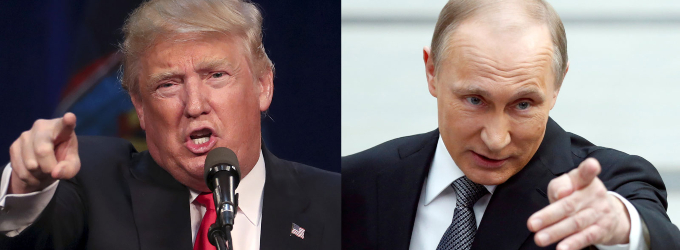
The strategic imperative behind India’s move away from Russian crude is multifaceted. Under persistent pressure from the U.S., exemplified by recent statements from President Donald Trump and the imposition of sanctions on major Russian crude giants like Rosneft PJSC and Lukoil PJSC, India is recalibrating its energy partnerships. While the shift is acknowledged as “a little bit of a process,” major Indian refiners have already signaled a significant reduction, possibly to near zero, in their Russian oil imports following these sanctions. This pivot is not merely about compliance; it’s a calculated diplomatic maneuver aimed at unlocking broader trade benefits with Washington. India, which has imported approximately 1.8 million barrels per day (MMbpd) from Russia this year, accounting for a substantial 36% of its total overseas shipments, now faces the challenge of diversifying its supply base. The primary alternatives will be crude from the Middle East and the United States, inherently pushing up global energy costs due to increased demand for these sources and higher transport expenses for U.S. oil. This strategic realignment underscores India’s commitment to energy security while balancing crucial international relationships.
Economic Trade-offs: Tariffs, Discounts, and Competitiveness
At the heart of Nomura’s analysis is the assertion that potential gains from lower U.S. tariffs will more than compensate for the increased cost of non-Russian crude. The direct impact of switching away from Russian oil, where the discount has narrowed to a modest $1.8–$2.2 per barrel vis-a-vis international prices, is estimated at a minor 0.04% of India’s gross domestic product. However, the indirect impact via higher global oil prices remains a critical variable. Crucially, economists anticipate the removal of the 25% punitive levy on Russian oil purchases after November, a move expected to pave the way for a broader trade deal with Washington. Such an agreement could see U.S. tariffs on Indian labor-intensive exports fall below the ASEAN-average of 19%-20%, significantly restoring India’s relative competitiveness in key global markets. This economic leverage, improving export potential and boosting manufacturing, presents a substantial upside that investors should not overlook, even as the reciprocal 25% tariff on certain U.S. goods is expected to remain through the fiscal year ending March.
Current Market Dynamics and Forward Price Outlook
The immediate backdrop to India’s strategic energy decisions is a volatile global crude market. As of today, Brent crude trades at $90.38 per barrel, marking a significant -9.07% decline within the day, with its range fluctuating between $86.08 and $98.97. WTI crude similarly saw a sharp decline, now at $82.59, down -9.41%, trading between $78.97 and $90.34. This recent intraday volatility follows a broader bearish trend; Brent has shed $22.4, or nearly 20%, from its high of $112.78 on March 30th to its current level. For investors, this current price environment amplifies the cost implications of India’s sourcing shift. While Russian discounts have narrowed, the overall lower global price environment, compared to recent highs, mitigates some of the ‘higher global oil prices’ indirect impact Nomura cautioned about. Many investors are currently asking about the trajectory of oil prices through the end of 2026. While precise forecasts are inherently challenging, the current market downturn, coupled with strategic shifts like India’s and ongoing geopolitical tensions, suggests a complex balance of supply-demand dynamics will continue to define price action. The significant drop in gasoline prices, currently at $2.93 and down -5.18% for the day, also signals broader demand softening or increased supply, influencing overall market sentiment.
Key Events Shaping the Supply Landscape and Investment Decisions
The immediate spotlight for oil and gas investors falls squarely on upcoming supply-side events that will undoubtedly shape market sentiment and prices. The OPEC+ JMMC Meeting on April 19th, swiftly followed by the critical OPEC+ Ministerial Meeting on April 20th, are paramount. These gatherings are crucial for investors tracking global supply policy, especially given current production quotas. Any adjustments to output levels, or even strong rhetoric regarding market stability, could significantly sway crude prices. India’s increased demand for non-Russian crude, particularly from the Middle East and potentially the U.S., will be a silent factor in these supply-side considerations. If OPEC+ maintains or even cuts production, the added demand pressure from India could exacerbate price increases for alternative sources. Furthermore, mid-week, the API Weekly Crude Inventory on April 21st and the EIA Weekly Petroleum Status Report on April 22nd will offer critical insights into U.S. inventory levels and demand signals. These reports consistently drive short-term price movements and provide a pulse on the world’s largest consumer market. The Baker Hughes Rig Count on April 24th will then provide an indication of future production trends, completing the immediate supply picture. These scheduled events are vital waypoints for investors seeking to position themselves ahead of potential market shifts.
Inflationary Pressures and Broader Investment Implications
While the trade benefits for India appear substantial, the indirect impact of higher global oil prices remains a key concern. The Reserve Bank of India estimates that a 10% rise in the crude oil bill could lift consumer price index (CPI) inflation by approximately 30 basis points and trim economic growth by around 15 basis points, assuming full pass-through to domestic prices. Despite current CPI remaining below 2%, at the lower bound of the central bank’s 2%-6% target range, sustained higher energy costs could shift this outlook. For investors, this scenario presents both risks and opportunities. Companies exposed to Indian trade, particularly those in labor-intensive export sectors, could see improved margins and competitiveness from reduced tariffs. Conversely, refiners and energy importers in India might face narrower margins or increased operational costs if global crude prices rebound significantly, especially if the cost of sourcing from the Middle East or U.S. substantially outweighs any tariff benefits. The overall investment landscape for energy stocks and related sectors will therefore be influenced by a delicate balance between geopolitical maneuvering, market supply-demand fundamentals, and the pace at which new trade agreements materialize.