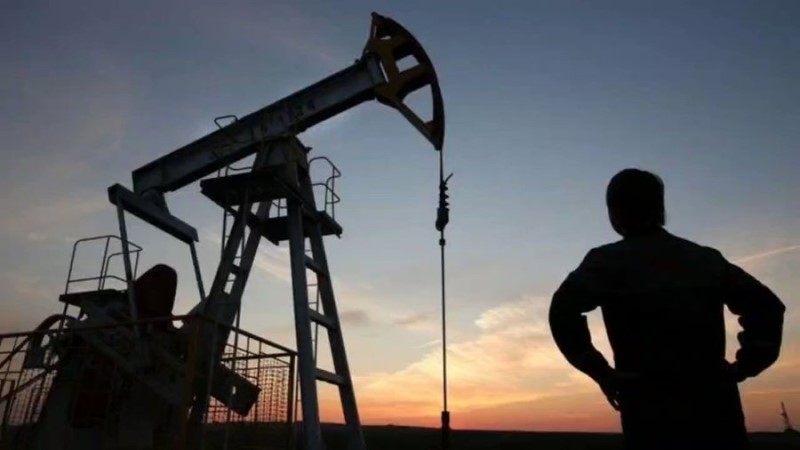
Nigeria’s state-owned energy company is embarking on an ambitious journey, setting its sights on raising a staggering $30 billion by the close of the decade and significantly boosting its crude oil production capacity. This strategic push aims to invigorate a sector that has contended with years of underinvestment, signaling a renewed focus on unlocking the nation’s vast hydrocarbon potential. For investors, these developments present both compelling opportunities and considerable challenges, particularly against a backdrop of fluctuating global energy markets and evolving geopolitical dynamics. Our analysis dives into the specifics of these targets, the underlying market conditions, and what these plans could mean for the future of oil and gas investment in Africa’s largest economy.
Nigeria’s Revival Strategy Amidst Market Volatility
The core of Nigeria’s strategy revolves around developing new oil fields, a move slated to commence as early as next year, and a comprehensive review of its existing asset portfolio. This review includes plans to divest from non-performing fields, optimizing operations to attract the substantial capital required to achieve its $30 billion fundraising goal by 2030. Management expects to secure more than half of this target, indicating confidence in their ability to draw in significant investment decisions in the coming year. However, this aggressive capital raise unfolds within a challenging global crude environment. As of today, Brent crude trades at $90.4, reflecting a marginal daily decline but sitting significantly lower than its recent peak. Over the past two weeks alone, Brent has experienced a notable downturn, plummeting from $118.35 on March 31st to $94.86 by April 20th, a nearly 20% reduction. This sharp decline underscores the volatility inherent in the market, potentially influencing investor appetite and the cost of capital for such large-scale projects.
Ambitious Production Targets and Investor Considerations
A cornerstone of Nigeria’s long-term energy vision is a dramatic increase in crude oil output. The company aims to boost production by 5% to 1.8 million barrels per day (mbpd) next year, building towards an ambitious target of 4 mbpd by 2030. Achieving this 2030 goal would represent a monumental uplift from current levels and require sustained, substantial capital expenditure. This level of growth naturally sparks questions among our readers, many of whom are keenly observing the directional momentum of global benchmarks. Investors are consistently asking about the future trajectory of crude prices, with a common inquiry being, “what do you predict the price of oil per barrel will be by end of 2026?” This reflects a critical concern: can the market support such increased output without significant price erosion, and will a robust price environment persist to justify the multi-billion dollar investments needed? Current WTI crude prices, trading at $86.8, suggest a market still finding its footing, making the long-term price outlook a pivotal factor for any investor evaluating Nigeria’s production expansion plans.
Diversifying the Energy Mix: The AKK Gas Pipeline
Beyond crude oil, Nigeria is also making significant strides in its natural gas sector, a crucial component of its broader energy strategy and economic diversification. A key project on the horizon is the completion of the $2.8 billion Ajaokuta-Kaduna-Kano (AKK) pipeline. Officials anticipate that this vital piece of infrastructure will be ready in early 2027, connecting various segments to the main line. Once operational, the AKK pipeline is poised to deliver substantial volumes of gas to northern Nigeria, including the capital city of Abuja. This will be transformative for regional development, supplying critical energy to industrial parks, fertilizer production facilities, and power-generation plants. For investors, the AKK pipeline represents a strategic move to leverage Nigeria’s extensive gas reserves, offering a more stable, domestically focused revenue stream and reducing reliance on volatile crude export markets. This development signals a commitment to in-country value creation and energy security, factors that enhance the overall investment appeal of Nigeria’s energy sector.
Navigating Future Volatility: Upcoming Catalysts and Investor Outlook
The success of Nigeria’s ambitious energy agenda will undoubtedly be influenced by broader global energy market developments and key upcoming events. Today, the OPEC+ Joint Ministerial Monitoring Committee (JMMC) meeting is underway, a critical gathering that could provide fresh signals on production policies and market stability. Any decisions or forward guidance from this meeting will have immediate repercussions for crude prices and investor sentiment, directly impacting the fundraising environment for Nigeria’s new field developments. Looking ahead, the market will closely monitor the EIA Weekly Petroleum Status Reports, scheduled for April 22nd and April 29th, which offer vital insights into inventory levels and demand trends. Furthermore, the Baker Hughes Rig Count on April 24th and May 1st will indicate North American drilling activity, influencing global supply perceptions. Perhaps most significant for long-term outlooks, the EIA Short-Term Energy Outlook on May 2nd will offer updated forecasts for supply, demand, and prices through 2027, providing crucial context for investors weighing Nigeria’s 2030 targets. These events, combined with the continuous interest from our readers asking about market direction, underscore the need for astute analysis in a dynamic energy landscape where strategic national plans intersect with global market forces.