The global energy landscape continues its dynamic evolution, presenting both significant opportunities and complex challenges for investors. Two major developments are currently capturing the attention of market participants: a high-stakes legal battle between energy titans over a colossal South American oil discovery, and a sweeping leadership overhaul at Africa’s largest crude producer. Both situations carry profound implications for corporate strategy, national resource management, and the broader outlook for oil and gas investment.
Stabroek Showdown: A Trillion-Dollar Prize at Stake
A London arbitration court recently commenced hearings in a bitter dispute between ExxonMobil and Chevron, centered on the ownership of a critical stake in Guyana’s prolific Stabroek oilfield. This legal confrontation pits two of the world’s largest energy companies against each other for a 30 percent interest in an asset valued for its immense potential.
The contention arises from Chevron’s September 2023 agreement to acquire Hess, the current owner of the 30 percent Stabroek stake, in a deal valued at $53 billion. ExxonMobil, which already holds a 45 percent operating interest in the Stabroek block, asserts it possesses a “right of first refusal” (ROFR) to purchase Hess’s share under the terms of their joint operating agreement, which also includes China’s Cnooc. This ROFR clause is now the linchpin of the dispute, with the outcome poised to set a precedent for future mergers and acquisitions involving joint venture assets across the industry.
Stabroek stands as one of the most lucrative oil discoveries in recent decades, boasting reserves estimated at up to $1 trillion. This extraordinary asset has undeniably transformed ExxonMobil’s financial trajectory, enabling the company to reclaim its position as the most valuable U.S. oil company. For investors, the resolution of this case will significantly influence the strategic positioning and future growth prospects of both ExxonMobil and Chevron, impacting their respective valuations and long-term portfolio strategies.
Nigeria’s Strategic Energy Reset
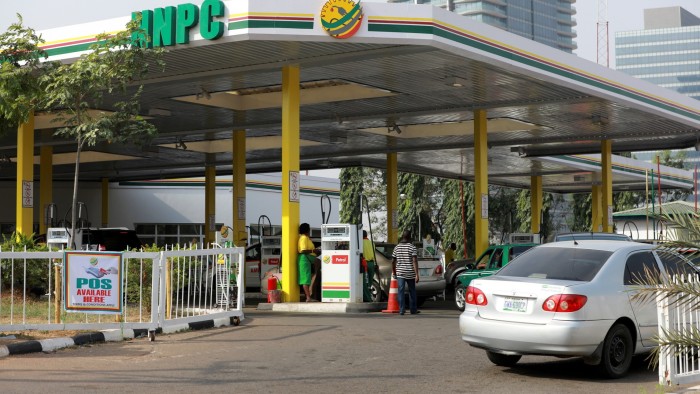
Meanwhile, in West Africa, Nigeria’s President Bola Tinubu initiated a significant shake-up at the state-owned Nigerian National Petroleum Company (NNPC). In April, the entire 11-person board of the national oil company was abruptly dismissed, an announcement made in the early hours of the morning. While the timing was unusual, industry observers had largely anticipated such a move since President Tinubu assumed office in 2023.
The role of NNPC chief executive is arguably one of Nigeria’s most influential governmental positions, surpassed in importance only by the presidency itself. Consequently, many expected Tinubu to appoint his own leadership team upon taking the helm. The initial decision to retain Mele Kyari, who had led NNPC since 2019 and was even granted a second term, had surprised many within Nigeria’s energy sector. However, Kyari’s eventual removal concluded what many characterized as an underwhelming tenure, during which the nation experienced a decline in oil production and a noticeable drop in crucial foreign investment.
NNPC plays an indispensable role in Nigeria’s oil and gas framework. By law, all domestic and international exploration and production companies operating within the country are mandated to conduct their activities through joint ventures with the group, which manages Nigeria’s extensive interests. Therefore, the leadership and strategic direction of NNPC directly impact the operational environment for all energy firms in the country. The recent reforms signal a clear intent from President Tinubu’s administration to revitalize crude output and actively attract much-needed capital to stimulate the sector’s growth.
Navigating Geopolitical and Corporate Shifts
These two distinct but equally impactful developments underscore the complex interplay of corporate strategy, legal frameworks, and national policy that defines the global oil and gas investment landscape. For integrated energy supermajors, the outcome of the Stabroek arbitration will not only determine direct ownership but also establish critical precedents for M&A activity involving non-operated stakes in major projects. Investors tracking these companies must consider how such rulings could reshape future deal structures and risk assessments.
In Nigeria, the NNPC board reforms represent a critical juncture for Africa’s largest crude producer. A renewed focus on efficiency, transparency, and investment attraction could unlock significant value from Nigeria’s vast hydrocarbon reserves. However, international investors will closely monitor the tangible impacts of these changes on actual oil production figures and the consistency of policy implementation, alongside ongoing challenges such as security and infrastructure development. These factors remain crucial in determining the attractiveness of Nigerian assets for global capital.
Investor Outlook: Monitoring Key Catalysts
For discerning investors in the oil and gas sector, these events serve as vital catalysts to watch. The London arbitration’s judgment on the Stabroek dispute will undoubtedly send ripples across the industry, influencing how joint venture agreements are structured and interpreted globally. Similarly, the effectiveness of Nigeria’s NNPC leadership overhaul in reversing production declines and drawing new investment will be a key indicator for the health and potential of African energy markets.
These are not isolated incidents but significant movements within a highly dynamic industry. Investors must remain vigilant, analyzing how these corporate and governmental shifts translate into concrete operational changes and financial performance. Monitoring these high-impact developments is essential for refining investment strategies and capitalizing on emerging opportunities within the ever-evolving global energy landscape.