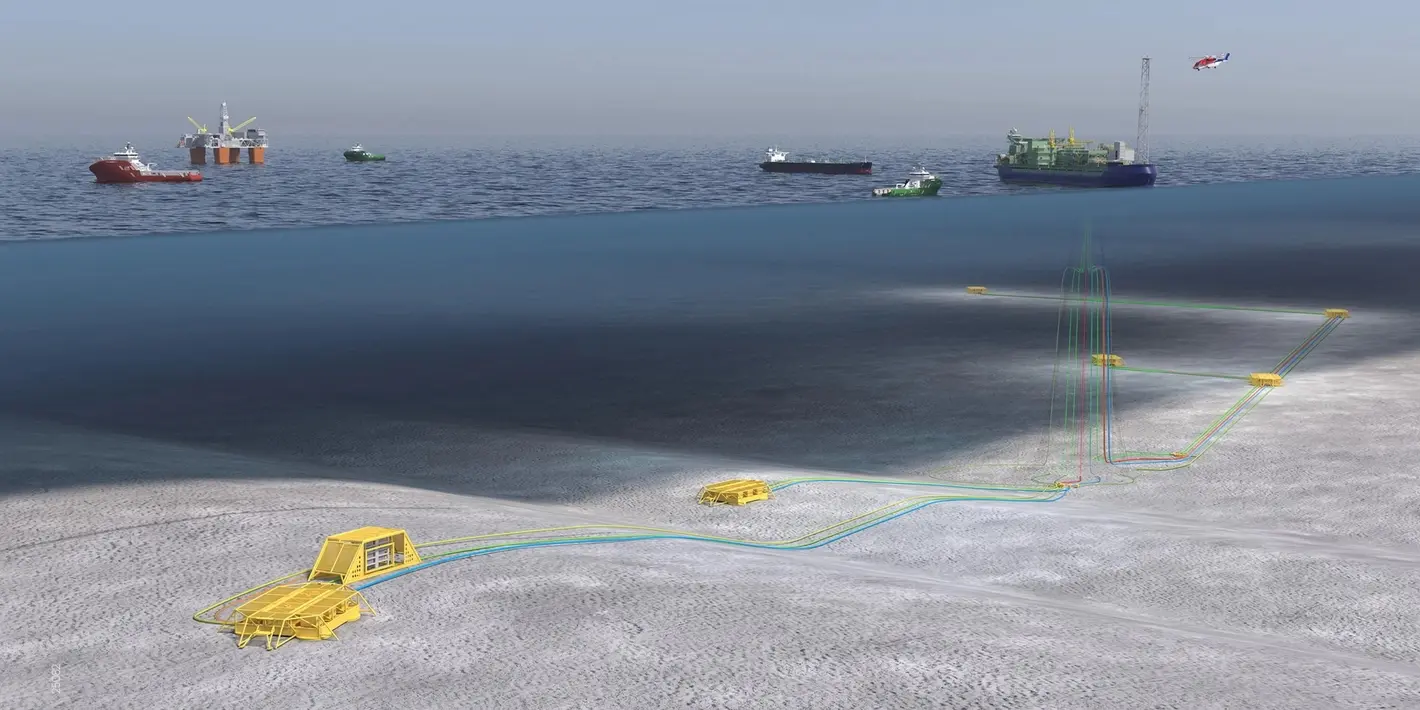
The recent signing of a benefits agreement for the proposed Bay du Nord offshore oil project between the Newfoundland and Labrador government, Equinor, and bp marks a pivotal moment for Atlantic Canada’s energy future. This generational development in the Flemish Pass basin, led by Equinor with bp as a key partner, is poised to become one of the next major offshore oil projects in the region. For investors, this agreement signals a significant de-risking step, paving the way for crucial future investment decisions. While the long-term outlook for such a substantial deepwater asset remains compelling, understanding its potential requires a careful examination of current market dynamics, the strategic importance of local supply chains, and the impact of upcoming energy catalysts.
Bay du Nord: A Strategic Imperative in the Atlantic Frontier
The Bay du Nord project represents a substantial long-term play for Equinor and bp, targeting significant oil resources in the challenging but prolific Flemish Pass basin. This isn’t merely another project; it’s positioned as a cornerstone development for Atlantic Canada, promising decades of production once operational. The sheer scale and technological complexity of deepwater exploration and production necessitate a multi-year development timeline, making the initial benefits agreement a critical foundation. This pact outlines expectations for local supply chain participation, ensuring that the province’s decades of offshore expertise will be leveraged across planning, construction, and operational phases. For investors evaluating the long-term viability of major energy projects, such agreements are crucial indicators of a stable regulatory and operational environment, mitigating potential delays and fostering local support essential for project longevity. The commitment from both provincial government and major international operators underscores the strategic value assigned to this resource, positioning it as a key contributor to future global energy supply.
Navigating Current Market Volatility and Investor Sentiment
The long-term vision for Bay du Nord unfolds against a backdrop of fluctuating crude prices, a dynamic that consistently shapes investor sentiment. As of today, Brent Crude trades at $93.57, reflecting a modest daily gain of 0.35%, with a day range between $93.49 and $94.21. Similarly, WTI Crude stands at $90.12, up 0.5% within a daily range of $89.71 to $90.71. These figures, while showing minor daily upward movement, contrast sharply with the broader trend. Over the past 14 days, Brent has seen a notable decline of approximately 7%, moving from $101.16 on April 1st to $94.09 on April 21st. This recent downward pressure naturally prompts questions from our investor community, with a recurring theme being “is WTI going up or down?” Such short-term price movements, even if temporary, can influence the immediate appetite for capital-intensive projects. While Bay du Nord is a multi-decade asset, the current market climate necessitates a robust investment thesis capable of weathering price cycles. Operators like Equinor and bp must demonstrate strong economics and efficient capital allocation to proceed, especially when benchmark crudes have shown recent significant retracement.
Local Content as a De-risking Mechanism for Major Capital Projects
The benefits agreement specifically emphasizes robust local supply chain participation throughout Bay du Nord’s lifecycle – from initial planning and complex construction to long-term operational phases. This isn’t merely a political concession; it’s a strategic de-risking mechanism for a project of this magnitude. Newfoundland and Labrador boasts a mature offshore industry supply chain with decades of experience supporting complex developments in the challenging North Atlantic environment. By integrating local companies and expertise, Equinor and bp can tap into established infrastructure, skilled labor, and regional knowledge, potentially streamlining project execution and reducing unforeseen operational hurdles. For investors, a strong local content agreement signals not only community buy-in but also a more stable operating environment. It minimizes the risk of social license issues, accelerates regulatory approvals, and can lead to more efficient resource mobilization, all of which contribute positively to a project’s overall risk-adjusted return profile. This collaborative framework lays a solid foundation for sustainable development, enhancing the project’s attractiveness to long-term capital.
Upcoming Catalysts and the End-of-Year Price Outlook
Looking ahead, the investment landscape for projects like Bay du Nord will be significantly shaped by a series of upcoming energy events and broader market expectations. Our proprietary data indicates several key reports on the horizon. Investors will be closely watching the EIA Weekly Petroleum Status Reports scheduled for April 22nd, April 29th, and May 6th, alongside the API Weekly Crude Inventory reports on April 28th and May 5th. These provide crucial insights into short-term supply-demand balances, which directly impact WTI and Brent pricing. Furthermore, the Baker Hughes Rig Count, due on April 24th and May 1st, will offer a pulse check on North American production activity. However, perhaps the most impactful upcoming event for long-term outlooks, and directly addressing the frequent investor question of “what do you predict the price of oil per barrel will be by end of 2026?”, is the EIA Short-Term Energy Outlook on May 2nd. This report provides a comprehensive forecast of energy markets, influencing everything from capital expenditure planning to operator hedging strategies. A bullish outlook from the EIA could significantly bolster confidence in Bay du Nord’s future cash flows, while a more cautious projection might necessitate a re-evaluation of its Final Investment Decision timeline. These upcoming data points are critical for investors to refine their models and understand the evolving risk-reward profile of major offshore developments.