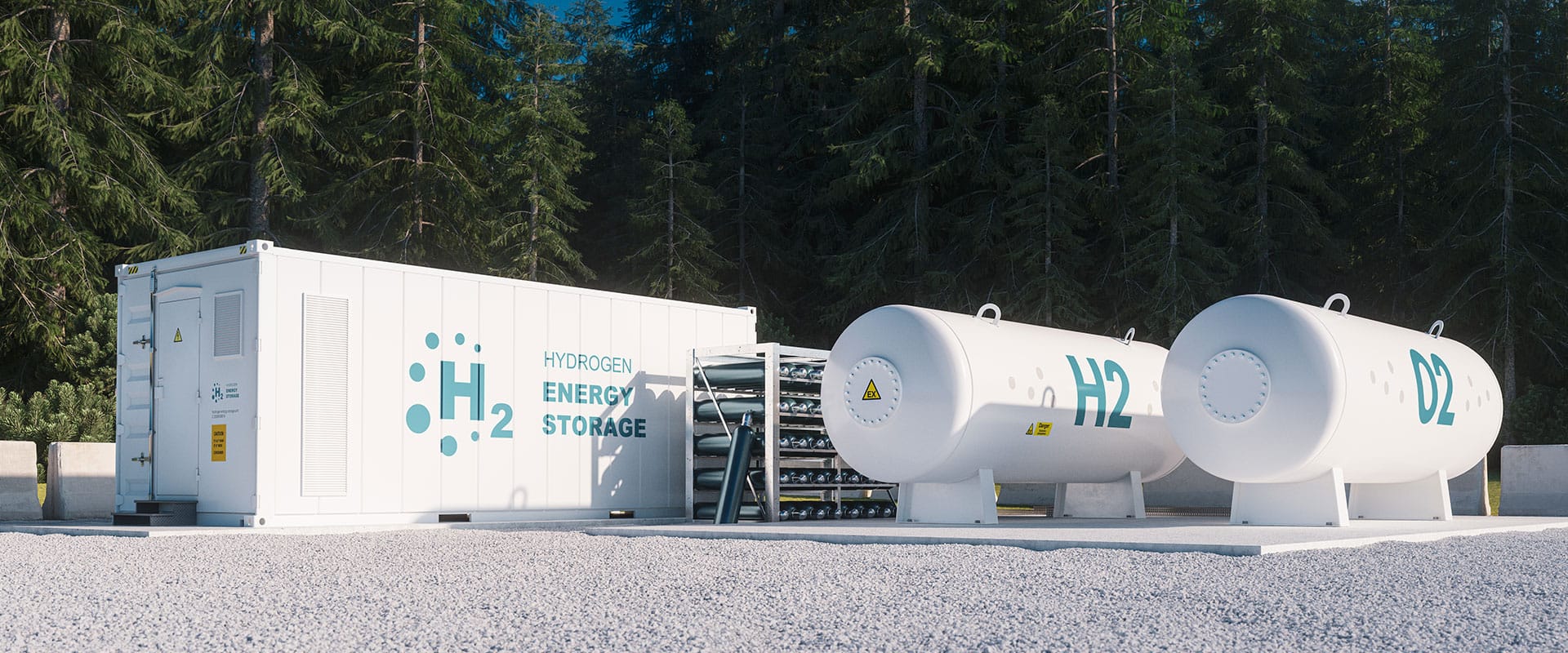
The energy transition continues to be a dominant theme in global capital markets, and the latest move by Next Hydrogen Solutions underscores the increasing focus on scaling up green hydrogen production. With plans to secure between USD 14.5 million and USD 21.7 million (CAD 20-30 million) through a non-brokered equity private placement, the Canadian electrolyzer manufacturer is poised to shift decisively from its research and development roots to full-scale commercial operations. This capital infusion, spearheaded by activist investor Smoothwater Capital, signals a critical inflection point not just for Next Hydrogen but for the broader green hydrogen sector, demonstrating investor confidence in technologies vital for decarbonization amidst a fluctuating conventional energy landscape.
Strategic Capital Infusion for Green Hydrogen Scale
Next Hydrogen’s planned financing, priced at CAD 0.45 per share and anticipated to close around November 28, 2025, represents a pivotal moment. The funds are earmarked for accelerating the production of its NH150 electrolyzer systems and advancing the development of next-generation technologies. This move from laboratory to factory floor is precisely what the green hydrogen industry needs to achieve cost competitiveness and widespread adoption. Smoothwater Capital’s leadership in this placement, which will see it become Next Hydrogen’s largest shareholder, is particularly noteworthy. Smoothwater’s track record of strategic, governance-focused investment suggests that this isn’t merely a capital injection but a strategic realignment aimed at operational efficiency and market penetration. For investors tracking the energy transition, this signals a maturing sector where patient, strategic capital is now ready to propel innovators like Next Hydrogen into commercial viability, moving beyond pure speculative R&D plays.
Navigating Volatility: Green Hydrogen’s Place in the Current Energy Landscape
The commitment to green hydrogen infrastructure comes against a backdrop of significant volatility in traditional energy markets. As of today, Brent crude trades at $89.81, experiencing a sharp 9.64% downturn in a single session, with WTI not far behind at $82.08, down 9.97%. This significant daily decline, following a 12.4% drop in Brent over the past 14 days from $112.57 to $98.57, underscores the inherent unpredictability in conventional oil markets driven by geopolitical shifts and supply-demand dynamics. Gasoline prices, currently at $2.92 and down 5.5% today, further reflect these broader energy price fluctuations. For investors, this persistent volatility in fossil fuels reinforces the strategic imperative of diversifying into alternative energy sources. Green hydrogen, particularly from companies like Next Hydrogen focusing on electrolyzer technology designed for intermittent renewable power, offers a compelling long-term hedge against the cyclical nature of crude and refined product markets. It represents a fundamental shift in energy production, driven by decarbonization mandates rather than short-term supply shocks.
Enhanced Governance and Market-Oriented Strategy
A key aspect of Next Hydrogen’s financing is the strengthening of its governance structure. With Stephen Griggs, Smoothwater Capital’s chief executive, slated to join as Executive Chair, the company is set to benefit from enhanced strategic oversight. This governance shift, requiring disinterested shareholder approval, signifies a robust commitment to aligning investor interests with operational execution. The strategy articulated by Griggs—focusing on partnerships where integrators incorporate Next Hydrogen’s equipment into broader hydrogen value chain solutions—is pragmatic and market-oriented. This approach mitigates direct project execution risk for Next Hydrogen, allowing it to concentrate on its core competency: manufacturing high-quality, modular electrolyzer systems. For investors, this model reduces the capital intensity typically associated with large-scale project development in the energy sector, offering a clearer path to profitability and scalability for a technology provider.
Forward Momentum: Green Hydrogen Amidst Key Energy Events
As Next Hydrogen targets a commercial launch supported by new financing, the broader energy market remains dynamic, with several critical events on the horizon that indirectly shape the environment for green energy investments. Investors are keenly watching the OPEC+ Joint Ministerial Monitoring Committee (JMMC) meeting tomorrow, April 17th, followed by the Full Ministerial meeting on April 18th. Decisions from these meetings on production quotas, particularly relevant given reader inquiries about “OPEC+ current production quotas,” will directly influence global crude supply and price stability. Furthermore, the consistent stream of data from API and EIA Weekly Petroleum Status Reports on April 21st, 22nd, 28th, and 29th, alongside the Baker Hughes Rig Count on April 24th and May 1st, will continue to shape the traditional energy narrative. While these events directly impact fossil fuels, a tighter or more volatile oil market often accelerates the perceived urgency and attractiveness of investing in green alternatives like hydrogen. The expected closing of Next Hydrogen’s financing in late 2025 positions the company to capitalize on a potentially more mature green hydrogen market, influenced by these ongoing shifts in the conventional energy sector.
Addressing Investor Priorities: Diversification and Long-Term Value
Our proprietary intent data reveals investors are actively seeking clarity on the future of energy, with questions ranging from the long-term price of oil by the end of 2026 to specific company performances like Repsol’s outlook. This indicates a strong appetite for understanding how current market dynamics will translate into future value. The strategic move by Next Hydrogen, backed by a significant capital raise and strengthened governance, offers a tangible example of where investment dollars are flowing within the energy transition. For investors evaluating traditional oil & gas holdings, a company like Next Hydrogen represents a strategic diversification play into the enabling technologies of a decarbonized future. The demand for green hydrogen, particularly for industrial applications seeking lower-carbon supply, positions companies like Next Hydrogen as crucial components of the broader energy shift, offering a different risk/reward profile compared to traditional upstream or downstream investments. This focus on industrial adoption, coupled with a commercially viable production strategy, aligns with investor desires for clear pathways to growth and sustained returns in the evolving energy landscape.


