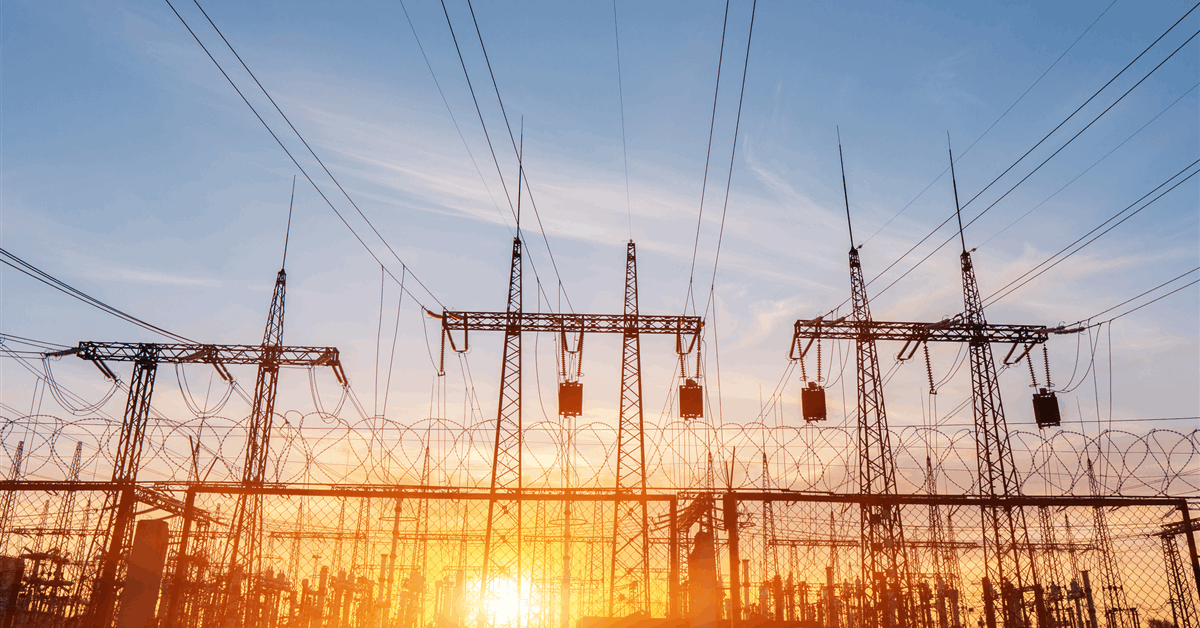
The United Kingdom is making significant strides in reshaping its energy landscape, a pivotal move that demands close attention from oil and gas investors. A recent application by National Grid PLC to develop a substantial new transmission network in East Anglia underscores this commitment, proposing to power up to six million homes and businesses. This ambitious project, stretching 180 kilometers (111.85 miles) with a blend of overhead and underground high-voltage cables, is more than just a local upgrade; it represents a critical component of the nation’s broader “Great Grid Upgrade” and a multi-billion-pound strategy to bolster energy security and accelerate decarbonization. For investors navigating a dynamic global energy market, understanding these long-term infrastructure plays, even as traditional commodity markets fluctuate, is increasingly vital for portfolio diversification and future-proofing.
The UK’s Bold Bet on Green Infrastructure
National Grid’s proposed Norwich to Tilbury project is strategically positioned to unlock the immense renewable energy potential of East Anglia, a region rich in offshore wind resources but historically constrained by limited transmission capacity. This new network, connecting substations in Norfolk, Suffolk, and Essex, is slated to commence construction in 2027 and is expected to take approximately four years to complete. It forms part of a larger national initiative encompassing 17 major infrastructure projects across England and Wales, all designed to expand and upgrade the grid for seamless integration of renewable energy sources. This comprehensive effort is aligned with National Grid’s Electricity System Operator’s staggering GBP 58 billion ($67.33 billion) plan to significantly boost Great Britain’s generation capacity from renewables. The scale of this ambition is striking: the plan aims to connect an additional 21 gigawatts (GW) of offshore wind capacity from Scotland to the grid, building upon a previous 23 GW target. This would ultimately lead to 86 GW of offshore wind capacity, positioning Britain as a global leader in the sector, especially considering current global installed offshore wind capacity stands at approximately 63 GW. Such projects are not merely about environmental targets; they are fundamental to meeting growing electricity demand, enhancing national energy independence, and ultimately, aiming to lower long-term consumer electricity bills.
Navigating Short-Term Volatility with Long-Term Vision
While the UK embarks on these monumental, multi-year infrastructure projects, the broader energy market continues its characteristic volatility, a reality that investors must constantly weigh. As of today, Brent crude trades at $98.57 per barrel, reflecting a modest daily dip of 0.83% within a tight range of $97.92 to $98.57. Similarly, WTI crude is priced at $90.18, down 1.09% for the day, oscillating between $89.57 and $90.21. These daily movements, however, belie a more significant trend over the past two weeks. Brent crude has seen a notable decline from $112.57 on March 27th to its current level, marking a sharp 12.4% reduction in value. This pronounced shift in crude pricing underscores the strategic imperative behind the UK’s investment in domestic, renewable-powered grid infrastructure. For investors, the long-term, regulated nature of transmission projects like Norwich to Tilbury offers a compelling counterpoint to the unpredictable swings of the global oil commodity markets. While the cost of capital and underlying material inputs for these projects can be indirectly influenced by macro energy trends, their fundamental drivers are rooted in national policy, energy security, and the undeniable push towards decarbonization, providing a degree of insulation from the daily vagaries of crude prices.
Anticipating Market Shifts: OPEC+ and Inventory Dynamics
The energy market remains a complex interplay of geopolitical factors, supply-demand fundamentals, and strategic decisions, all of which continue to shape investment sentiment. Looking ahead, investors will be closely monitoring a series of critical events that could introduce fresh volatility. The OPEC+ Joint Ministerial Monitoring Committee (JMMC) is scheduled to meet on April 18th, followed by the full OPEC+ Ministerial Meeting on April 20th. These gatherings often dictate global crude supply strategies and can trigger significant market reactions. In parallel, the regular rhythm of inventory reports will provide crucial insights into supply-demand balances, with the API Weekly Crude Inventory due on April 21st and April 28th, and the EIA Weekly Petroleum Status Report following on April 22nd and April 29th. Furthermore, the Baker Hughes Rig Count on April 17th and April 24th will offer a snapshot of upstream activity. The UK’s aggressive pivot towards extensive renewable integration and transmission infrastructure development, epitomized by the Norwich to Tilbury project, can be viewed as a strategic hedge against the uncertainties emanating from these global oil market dynamics. By enhancing its self-sufficiency in electricity generation and distribution, Britain aims to reduce its exposure to imported energy price fluctuations and bolster its overall energy security, offering a stable investment thesis despite the ongoing churn in the crude complex.
Investor Focus: Beyond the Barrel Price
Our proprietary reader intent data reveals a clear and consistent investor focus on foundational market metrics, with frequent inquiries such as “What are OPEC+ current production quotas?” and “What is the current Brent crude price?” This underscores the enduring importance of traditional oil market analysis for many in our community. However, the large-scale investment in grid infrastructure, as seen with National Grid’s latest project, signals a crucial diversification opportunity for energy investors. While crude prices and OPEC+ decisions will always be central to the oil and gas sector, these transmission initiatives represent a distinct, long-term investment thesis driven by policy, societal needs, and the energy transition. For investors seeking stability and predictable returns amidst commodity price volatility, regulated infrastructure assets offer an attractive alternative. These projects are backed by substantial government and utility commitments, aiming for decades of operational life and providing essential services. Analyzing such opportunities requires a nuanced understanding of regulatory frameworks, future electricity demand projections, construction costs for materials like steel and copper, and the long-term impact on power markets, rather than solely tracking the daily fluctuations of a barrel of oil. It represents an evolution in energy investment, complementing traditional upstream and midstream plays with critical enablers of the future energy system.


