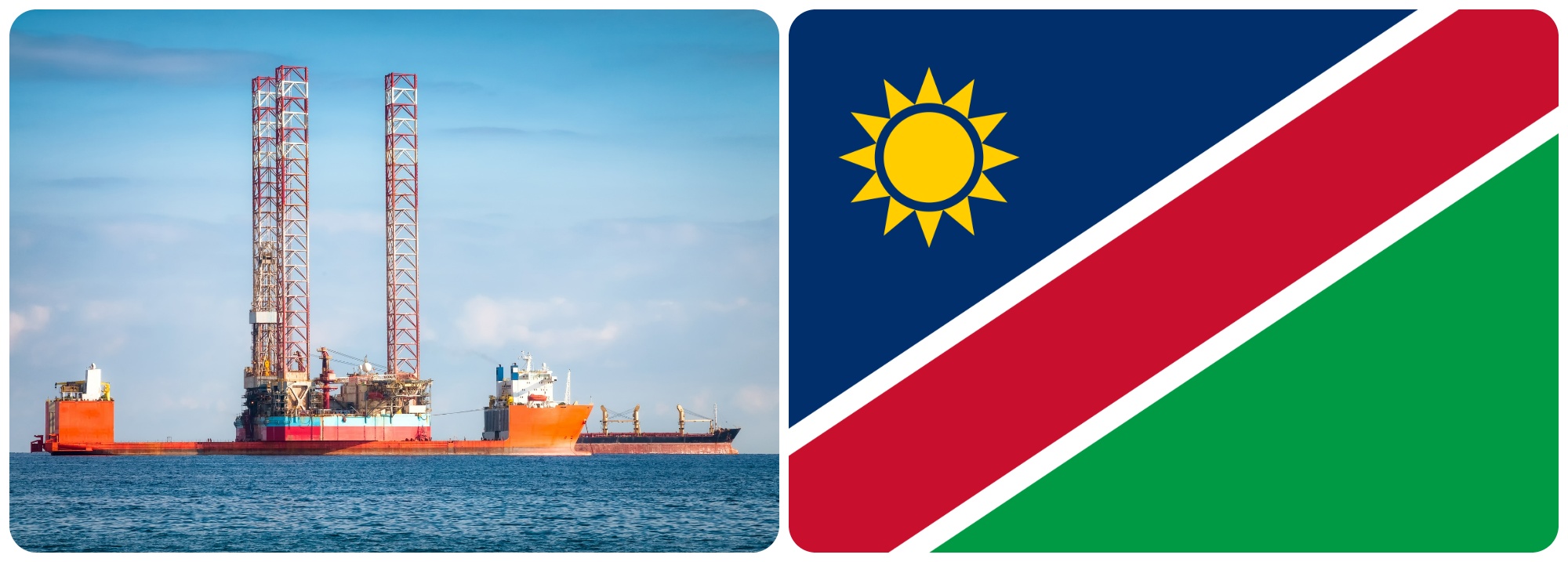
Namibia’s Strategic Play for Hydrocarbon Control
Namibia is rapidly solidifying its position as a new frontier in global oil and gas exploration, driven by a series of significant offshore discoveries. In a pivotal move designed to streamline and centralize the nation’s burgeoning petroleum sector, the Namibian government is pushing to consolidate control directly under the office of the presidency. This strategic shift, announced by Defense and Veterans Affairs Minister Frans Kapofi, who is also serving in the energy portfolio, involves proposed amendments to the Petroleum Act. The core of these changes entails transferring key powers from the energy minister to the president and to a newly empowered director-general of the upstream petroleum unit within the presidency. Furthermore, responsibilities previously held by the commissioner for petroleum affairs are slated to move to a new deputy director-general role within the same upstream unit. This organizational restructuring, which President Netumbo Nandi-Ndaitwah initiated earlier this year, aims to elevate the status of the upstream unit and establish a clear legal framework for its operations, as noted by industry observers. The timing is critical, as global energy majors like TotalEnergies SE are actively engaged in negotiations with Namibia over the development of their substantial deepwater finds, alongside major discoveries by Shell Plc and Galp Energia SGPS SA. This centralization is a clear signal of Namibia’s intent to assert greater national oversight as it transitions from an exploration hotspot to a potential oil producer.
Market Volatility Meets Frontier Opportunity
The move by Namibia to centralize its oil and gas authority unfolds against a backdrop of considerable volatility in global crude markets, a reality keenly felt by investors tracking commodity prices. As of today, Brent crude trades at $90.38 per barrel, marking a significant daily decline of 9.07%, with its range fluctuating between $86.08 and $98.97. Similarly, WTI crude has seen a sharp drop, now priced at $82.59, down 9.41% within a day range of $78.97 to $90.34. This recent downturn is not an isolated event; our proprietary data reveals a pronounced 14-day Brent trend, plummeting from $112.78 on March 30, 2026, to its current $90.38, representing a nearly 20% contraction. Gasoline prices have also followed suit, settling at $2.93, a 5.18% decrease. This environment of price uncertainty invariably shapes investor appetite for new, capital-intensive projects. While Namibia’s deepwater discoveries present compelling long-term value, the immediate market instability demands a highly predictable and stable regulatory framework. For global majors contemplating multi-billion-dollar investments, a clear, centralized authority could, in theory, accelerate decision-making and project execution. However, it also raises questions about the balance of power in future negotiations and the potential for increased state involvement in commercial terms, factors that investors meticulously weigh when capital is at a premium and market direction remains a pressing concern, as evidenced by common investor inquiries about the future trajectory of WTI.
Investor Focus: Navigating Policy Shifts in Emerging Basins
Our proprietary reader intent data highlights a consistent theme among investors this week: a palpable desire for clarity on market direction and specific company performance amidst the current volatility. Questions like “what do you predict the price of oil per barrel will be by end of 2026?” and “How well do you think Repsol will end in April 2026?” underscore the strategic planning and risk assessment currently underway. Namibia’s decision to consolidate petroleum authority directly impacts these considerations. For investors eyeing the substantial potential of the Orange Basin, the key lies in how this centralization translates into policy stability and attractiveness for foreign direct investment. On one hand, a unified approach from the presidency could streamline approvals and ensure a consistent national strategy, potentially de-risking the political landscape for projects that require decades of commitment. This could be particularly appealing to companies like TotalEnergies, Shell, and Galp Energia, who are at the forefront of developing these complex deepwater assets. On the other hand, the increased concentration of power could introduce concerns about potential resource nationalism, the predictability of fiscal terms, and the transparency of future negotiations. Investors will be closely scrutinizing the subsequent actions of the centralized authority, looking for clear signals that Namibia intends to foster a competitive investment environment that balances national interests with the need to attract and retain the technical expertise and financial firepower of international oil companies. The long-term oil price outlook, a dominant query among our readership, will be significantly influenced by the ability of new producing nations to bring projects online efficiently and predictably.
Upcoming Events and the Global Energy Nexus
The global energy calendar for the next two weeks is packed with events that will undoubtedly influence the investment calculus for frontier plays like Namibia, making the clarity of its new centralized authority even more critical. This Sunday, April 19, marks the OPEC+ JMMC Meeting, followed by the full OPEC+ Ministerial Meeting on Monday, April 20. Decisions emerging from these gatherings regarding production quotas could significantly impact global supply balances and, consequently, crude prices. A commitment to deeper cuts or an unexpected increase in supply could shift the economic viability of new projects, including those in Namibia’s deepwater. Furthermore, the market will be closely watching the API Weekly Crude Inventory reports on April 21 and April 28, alongside the EIA Weekly Petroleum Status Reports on April 22 and April 29. These crucial data points offer real-time insights into U.S. demand and supply dynamics, acting as a barometer for global consumption trends. The Baker Hughes Rig Count, scheduled for April 24 and May 1, will provide a snapshot of exploration and production activity, reflecting industry confidence and capital allocation. For Namibia, these external factors underscore the urgency of establishing a robust and transparent framework for its nascent oil sector. A well-defined and consistently applied regulatory regime under the presidency could help insulate the country’s projects from external market shocks, providing the stability and long-term vision necessary to attract the sustained investment required to transform its offshore discoveries into a significant national revenue stream, regardless of the short-term gyrations driven by global supply and demand signals.