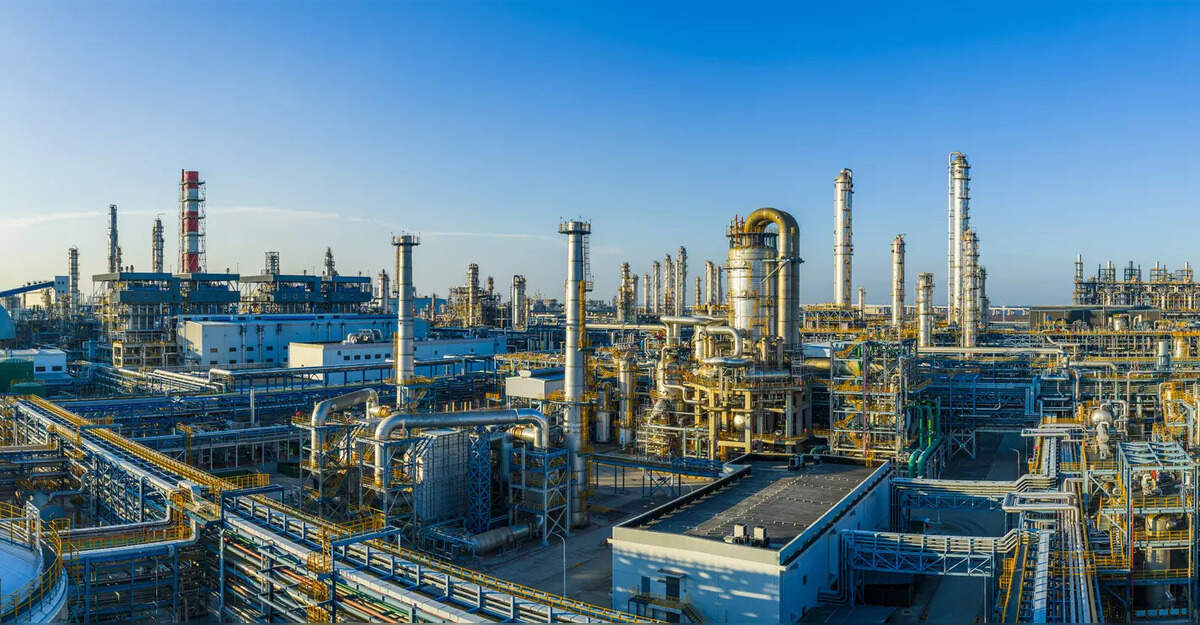
The global energy landscape remains a complex interplay of geopolitical risk, supply chain vulnerabilities, and shifting demand dynamics. A recent development involving Mangalore Refinery and Petrochemicals (MRPL) provides a stark illustration of these pressures. The Indian state-run refiner halted operations at a 100,000 barrel-per-day crude unit and several secondary units, including a crucial hydrocracker, at its 300,000 barrel-per-day complex in Karnataka. This significant shutdown, initiated from Wednesday evening prior to March 5, 2026, was a direct consequence of an oil shortage, underscoring the tangible impact of regional instability on critical energy infrastructure. For sophisticated investors navigating the volatile oil and gas markets, understanding the ripple effects of such events, alongside broader market signals and upcoming catalysts, is paramount for strategic positioning.
Geopolitical Headwinds and Refining Vulnerabilities
The MRPL shutdown serves as a potent reminder of how geopolitical tensions can directly impede refining operations and disrupt global crude flows. The refinery, which had ceased purchasing Russian oil late last year, has become increasingly reliant on Middle Eastern crude supplies. This strategic pivot, while addressing one set of geopolitical concerns, has exposed it to others. Threats to shipping through the Strait of Hormuz, a critical conduit for approximately one-fifth of global crude consumption, have created a precarious environment for Asian refiners. The struggle to secure prompt replacement crude cargoes is not isolated to MRPL; we’ve seen reports of other Chinese refiners also cutting runs, signaling a broader regional challenge. The idling of a substantial portion of MRPL’s capacity, including a key hydrocracker responsible for upgrading heavier crude fractions into higher-value products, not only impacts India’s domestic fuel supply but also highlights the fragility inherent in global energy supply chains when exposed to concentrated risks.
Market Volatility and Investor Directional Calls
The interplay of such supply disruptions with broader market sentiment is immediately visible in crude price movements. Investors are keenly watching for directional signals, with questions like “is WTI going up or down?” frequently surfacing in our reader intent data, alongside inquiries about the long-term “price of oil per barrel by end of 2026.” As of today, Brent crude trades at $90.38, a notable shift from its position just weeks ago. Indeed, our proprietary data reveals a significant 14-day Brent trend, plummeting from $112.78 on March 30 to $90.38 by April 17, representing a substantial decline of $22.4, or nearly 20%. WTI crude currently stands at $82.59. This dramatic downturn suggests that while regional supply challenges like the MRPL shutdown are disruptive, broader market forces, potentially including demand concerns or a reassessment of overall supply-demand balances, are exerting significant downward pressure. The current gasoline price of $2.93 per gallon, while stable today within a day range of $2.82-$3.10, also reflects the delicate balance between crude input costs and consumer demand, a balance that refiners like MRPL must navigate under increasing duress.
Upcoming Catalysts: Navigating the Next Two Weeks
The immediate future holds several critical events that could shape the trajectory of crude prices and refining sector performance. Investors must closely monitor these upcoming catalysts to refine their strategies. The OPEC+ JMMC Meeting is scheduled for today, April 20, followed by the more comprehensive OPEC+ Ministerial Meeting on April 25. These gatherings will provide crucial insights into the cartel’s production policy, especially given the recent significant price slide. Any indication of supply adjustments, whether cuts to bolster prices or an unexpected increase, will have immediate market repercussions. Furthermore, the API Weekly Crude Inventory reports on April 21 and April 28, along with the EIA Weekly Petroleum Status Reports on April 22 and April 29, will offer a granular view of U.S. crude and product stockpiles. These reports are vital for assessing the true state of demand and how refinery utilization, potentially impacted by events like MRPL’s shutdown, is affecting inventory levels. Finally, the Baker Hughes Rig Count on April 24 and May 1 will provide an early read on future supply trends from North American producers. Collectively, these events will either reinforce current market trends or introduce new variables that could significantly alter the investment landscape.
Investment Implications and Strategic Positioning
The MRPL situation, coupled with broader market dynamics, presents a complex picture for oil and gas investors. The challenges faced by refiners in securing prompt crude cargoes and the subsequent operational halts highlight the importance of supply chain resilience. This scenario can impact refining margins, as refiners might face higher spot crude prices or be forced to operate at suboptimal capacities, even as product prices like gasoline (currently $2.93) remain sensitive to overall demand. Investors frequently inquire about the performance of specific players, such as “How well do you think Repsol will end in April 2026?”, underscoring the focus on individual company robustness against these macro headwinds. Companies with diversified crude sourcing strategies, robust logistics, or a greater ability to pass on increased costs could demonstrate stronger resilience. The significant drop in Brent crude prices from its March highs also forces a re-evaluation of the geopolitical risk premium; while tensions persist, the market appears to be weighing other factors, possibly demand slowdowns or an easing of perceived supply tightness. Strategic investors should consider companies with strong balance sheets, operational flexibility, and a clear vision for managing geopolitical and supply chain risks. The current environment demands a proactive approach, utilizing real-time data and forward-looking analysis to navigate the inherent volatility and capitalize on emerging opportunities in the evolving energy sector.


