Navigating Localized LPG Disruptions Amidst Shifting Global Energy Sands
While global energy markets often focus on headline crude price movements, a critical localized disruption in Madhya Pradesh, India, serves as a stark reminder of the intricate and often vulnerable nature of regional energy supply chains. The impending shutdown of the hospitality and food service sector due to a commercial LPG shortage highlights how geopolitical tensions, even if not fully reflected in global crude benchmarks, can create severe downstream consequences. For astute energy investors, this situation offers a valuable lens through which to assess the resilience of supply infrastructure and the potential for regional bottlenecks to impact broader market dynamics, particularly in emerging economies with growing energy demands.
The Madhya Pradesh LPG Crisis: A Microcosm of Supply Chain Vulnerability
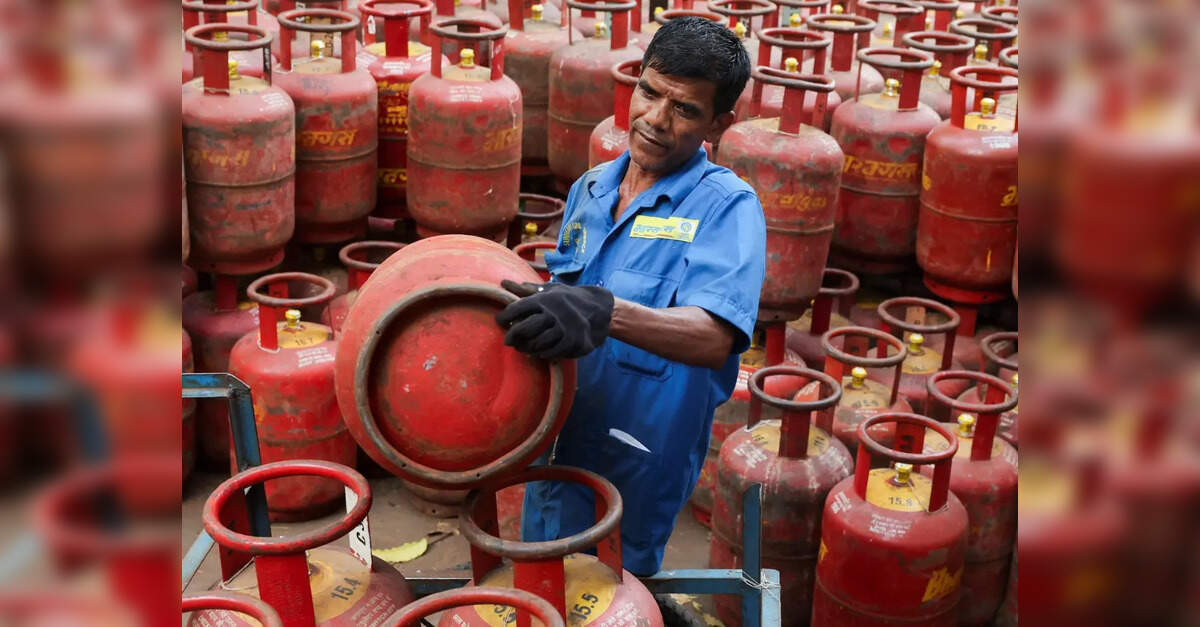
The immediate challenge facing Madhya Pradesh is a severe scarcity of commercial LPG cylinders, pushing the vital hospitality and food service industry to the brink of collapse. Business associations are urgently appealing to authorities for the restoration of even a limited supply, emphasizing the sector’s role as an essential service. The suggested alternatives, such as switching to induction-based cooking or traditional wood-fire stoves, are largely impractical. Induction systems require significant lead times for equipment delivery (7-10 days) and costly power infrastructure upgrades, while wood-fire cooking is incompatible with modern kitchen designs, posing safety and hygiene risks. This local crisis, attributed by some to the lingering effects of the West Asia conflict and disruptions in critical transit points, underscores how a seemingly distant geopolitical event can directly threaten thousands of livelihoods and the daily functioning of a major city’s food supply system. For investors, this scenario highlights the often-overlooked regional nuances of energy distribution and the profound impact of last-mile delivery challenges.
Global Crude Dynamics: A Divergent Price Narrative
Paradoxically, this localized supply crunch in India unfolds against a backdrop of easing global crude prices, suggesting a more complex interplay of factors than a simple direct correlation. As of today, Brent Crude trades at $92.96 per barrel, reflecting a modest daily dip of 0.3% within a range of $92.57 to $94.21. Similarly, WTI Crude stands at $89.36, down 0.35% for the day. This recent price action is particularly noteworthy when considering the broader trend: Brent Crude has experienced a significant downturn, dropping from $101.16 on April 1st to $94.09 by April 21st – a decline of over 7% in just two weeks. This observed global price depreciation, despite ongoing geopolitical concerns, suggests that the immediate LPG shortage in Madhya Pradesh may be more acutely linked to specific regional logistics, refining capacity, and allocation policies rather than a direct, overwhelming global crude supply deficit. Our proprietary reader intent data indicates a keen investor interest in directional price movements, with frequent queries like “is WTI going up or down?” While the recent trend points downwards for crude, the Madhya Pradesh situation shows that local product availability can diverge sharply from global benchmarks, creating unique investment risks and opportunities.
Forward Outlook: Geopolitical Risks and Inventory Watch
While current global crude prices show a recent downward trend, the underlying geopolitical tensions, particularly those emanating from the West Asia conflict, remain a potent risk factor that could quickly reshape market sentiment and physical supply flows. Investors are keenly focused on future catalysts, and our calendar of upcoming energy events provides crucial insights. The market will closely scrutinize the EIA Weekly Petroleum Status Reports on April 22nd, April 29th, and May 6th, alongside the API Weekly Crude Inventory reports on April 28th and May 5th. These releases will offer fresh data on U.S. crude and product inventories, providing vital clues about the global supply-demand balance. Furthermore, the Baker Hughes Rig Count on April 24th and May 1st will indicate future production trends. Perhaps most significantly, the EIA Short-Term Energy Outlook on May 2nd will provide updated forecasts for global supply, demand, and prices, directly addressing investor questions such as “what do you predict the price of oil per barrel will be by end of 2026?” Any indication of tightening global supply or sustained regional disruptions could eventually translate into higher refined product prices, including LPG, even if crude maintains its current trajectory. Investors should monitor these reports for early signals of how global inventory levels and production forecasts might influence the resilience of regional supply chains like that in India.
Investment Implications: Assessing Regional Resilience and Diversification
The Madhya Pradesh LPG crisis serves as a critical case study for energy investors, highlighting the need to look beyond headline crude prices and deeply analyze regional supply chain vulnerabilities. Companies with robust, diversified supply networks, resilient refining capabilities, and strong logistical presence in markets susceptible to such disruptions may present more stable investment profiles. Conversely, businesses heavily reliant on single-source energy inputs or complex international supply chains could face significant operational risks. This situation also underscores the potential for investment in alternative energy infrastructure, such as enhanced grid capacity for induction cooking, or domestic LPG production and distribution improvements, to mitigate future shortages. For investors contemplating exposure in emerging markets, understanding the interplay between global energy flows, national energy policies, and localized distribution challenges is paramount. The ability of governments to quickly adapt and ensure essential service access, as requested by the traders in Madhya Pradesh, will also be a key factor in regional economic stability and, by extension, investment confidence.


