

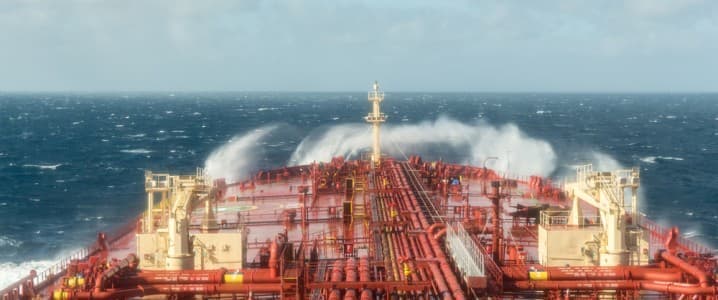
The surge in Russian crude sales in China and the simultaneous drop in Indian demand for Russia’s oil have prompted Moscow to turn to using a larger fleet of supertankers—vessels capable of carrying 2 million barrels of crude.
In recent weeks, several smaller tankers that left Russia’s Western ports transferred their cargoes to supertankers, the so-called very large crude carriers (VLCCs), in the Red Sea and then traveled to China instead of India, Bloomberg reported on Tuesday, citing ship-tracking data from Vortexa and Kpler.
The Red Sea hasn’t been known as a major ship-to-ship (STS) transfer site but necessity has apparently prompted Russia to use the area, in view of increased scrutiny offshore Malta and Greece in the Mediterranean, and the growing presence of U.S. military in the Middle East.
The supertankers can also hold more barrels, if Russia’s crude needs to stay in floating storage for a period of time waiting for buyers to emerge, Bloomberg notes.
The shift toward bigger vessels highlights the growing importance of China as Russia’s key crude export market and the diminishing role India could play in buying Russian oil going forward.
A jump in China’s crude oil imports from Russia is more than compensating the withdrawal of the Indian refiners from spot Russian purchases, tanker-tracking data compiled by Bloomberg showed last week.
Up to February 18, deliveries of Russia-origin cargoes at Chinese ports averaged 2.09 million barrels per day (bpd) for the month, up from an average of 1.72 million bpd in the full month of January and 1.39 million for December, the data showed.
Earlier this month, data from Vortexa and Kpler showed that China’s oil imports from Russia are on track for all-time high of more than 2 million bpd this month as India is withdrawing from Russian spot purchases and supply is now heavily discounted for Chinese independent refiners.
By Charles Kennedy for Oilprice.com
More Top Reads From Oilprice.com
