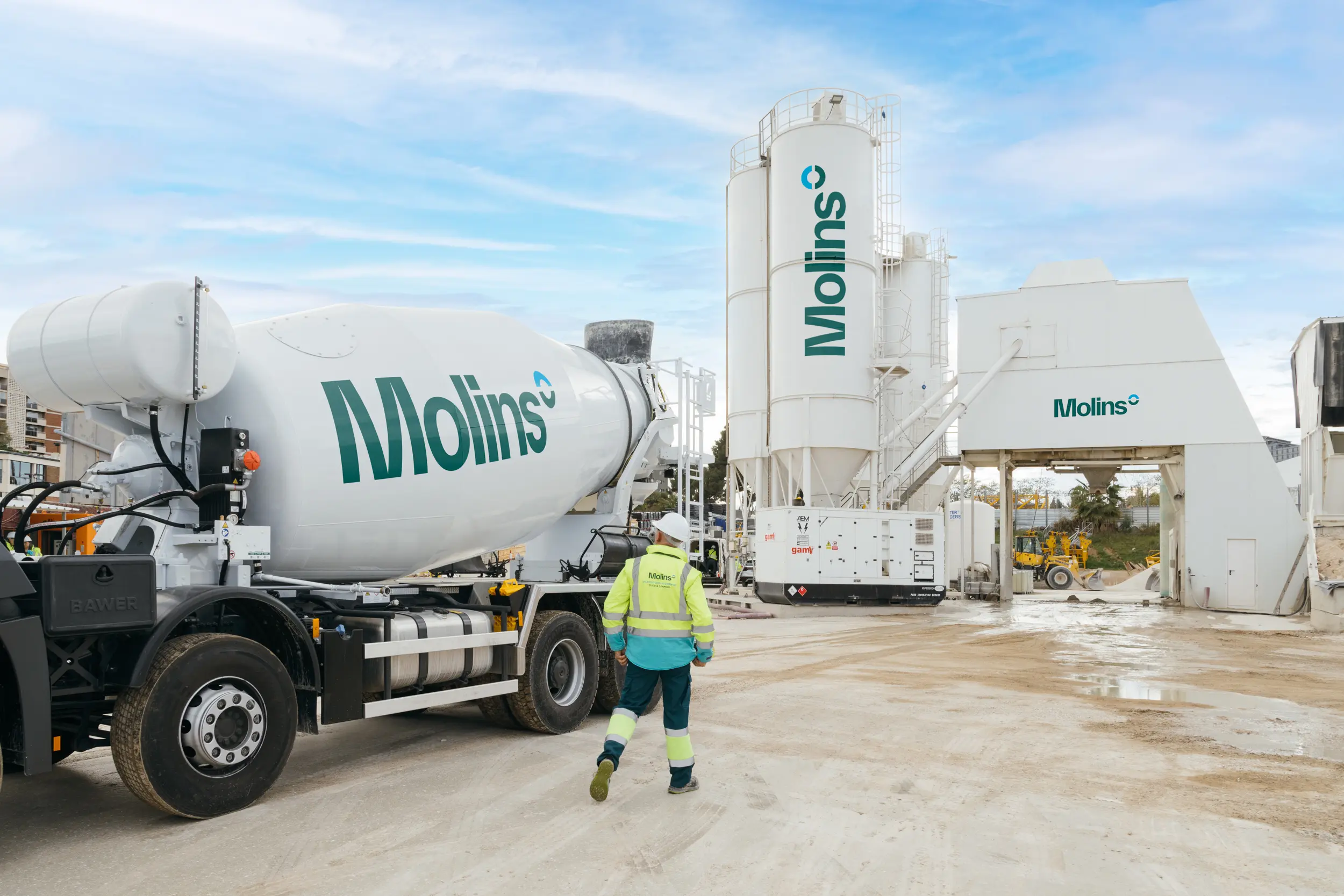
Molins’ 2030 Loan Signals Evolving Capital Markets for Energy Investors
In a landscape increasingly defined by both market volatility and the imperative for sustainability, Molins’ recent extension of its €300 million sustainability-linked financing to 2030 offers a compelling case study for investors across all sectors, including oil and gas. While Molins operates in building materials, the strategic rationale behind securing long-term, ESG-aligned capital in an uncertain interest rate environment resonates deeply with the challenges and opportunities facing energy companies. This move, which continues to tie borrowing costs to robust carbon emission reduction targets, highlights how integrated financial and sustainability strategies are becoming non-negotiable for maintaining investor confidence and securing advantageous capital structures in today’s market.
Strategic Stability in Shifting Financial Sands
Molins’ decision to extend its syndicated financing to November 2030, maintaining its €300 million facility split between a term loan and a revolving credit facility, is a masterclass in proactive capital management. This move provides the Barcelona-based firm with crucial balance sheet flexibility and long-term visibility on capital allocation, particularly as global financial markets anticipate shifts in monetary policy. For oil and gas investors, this strategy underscores the importance of securing stable funding during periods of interest rate flux and broader economic uncertainty. Companies that can lock in favorable terms and extend debt maturities are better positioned to weather economic cycles, pursue strategic investments, and manage the substantial capital expenditures required for both operational efficiency and energy transition initiatives. The continued validation of the loan’s sustainability credentials by Sustainalytics also reinforces the growing market demand for transparent and verifiable ESG performance, a critical factor for energy majors navigating increasing scrutiny.
Energy Market Headwinds and Capital Allocation Choices
The timing of such a strategic financial maneuver by Molins is particularly insightful when viewed against the backdrop of current energy market dynamics. As of today, Brent crude trades at $90.38, reflecting a significant 9.07% decline within the day, with WTI crude mirroring this trend at $82.59, down 9.41%. This sharp correction follows a broader trend over the past two weeks, where Brent has shed nearly 20% from its March 30th peak of $112.78. Such pronounced volatility profoundly impacts investor sentiment and capital allocation across all industries, including the energy sector. For oil and gas companies, a sustained period of lower prices can compress margins, challenge investment in new projects, and complicate debt servicing. Molins’ foresight in stabilizing its capital structure before potentially more turbulent macro conditions emerge provides a template for how even energy firms, grappling with fluctuating commodity prices, can strategically secure their financial footing, protecting their ability to invest in long-term decarbonization goals or core production capacity. Investors are keenly asking about the price of oil per barrel by the end of 2026, and such market swings make long-term financial planning all the more critical.
Decarbonization’s Financing Imperative for Oil & Gas
At the heart of Molins’ financing lies its commitment to Scope 1 and 2 carbon emission reductions, integral to its 2030 sustainability framework. This direct link between borrowing costs and environmental performance is not merely a corporate social responsibility initiative; it’s a financial lever. For oil and gas companies, which face immense pressure to decarbonize, these sustainability-linked instruments are becoming increasingly vital. The capital expenditures required for energy transition projects – from carbon capture and storage (CCS) and hydrogen production to renewable energy integration – are substantial. Access to preferential financing tied to verifiable ESG targets can significantly reduce the cost of capital for these transformative investments. Companies like Repsol, which our readers frequently inquire about concerning their performance, will find similar sustainability-linked loans crucial for funding their transition pathways while maintaining investor confidence. The Molins agreement serves as a tangible example of how the financial sector is actively incentivizing and enabling the decarbonization efforts that are reshaping the energy landscape.
Anticipating Future Swings: Upcoming Events and Investor Outlook
Looking ahead, the energy market is poised for several key events that could introduce further price volatility and influence investment decisions across capital markets. This weekend, the OPEC+ JMMC Meeting on April 19th will set the stage for the full OPEC+ Ministerial Meeting on April 20th. These gatherings are critical for determining future production quotas, a topic frequently raised by our readers. Any adjustments to supply could significantly impact crude prices, influencing the revenue streams and capital expenditure capabilities of oil and gas producers globally. Following these, the API Weekly Crude Inventory (April 21st & 28th) and EIA Weekly Petroleum Status Report (April 22nd & 29th) will provide crucial insights into U.S. supply and demand dynamics, while the Baker Hughes Rig Count (April 24th & May 1st) will signal future production trends. For investors, understanding these forward-looking catalysts is essential. Companies like Molins, with robust and extended financing in place, are better insulated from the immediate shocks of such market events, allowing them to focus on long-term strategic objectives, including their decarbonization roadmap, rather than reacting to short-term price fluctuations. This proactive financial posture is increasingly a benchmark for assessing a company’s resilience and long-term investment appeal in an unpredictable global economy.


