

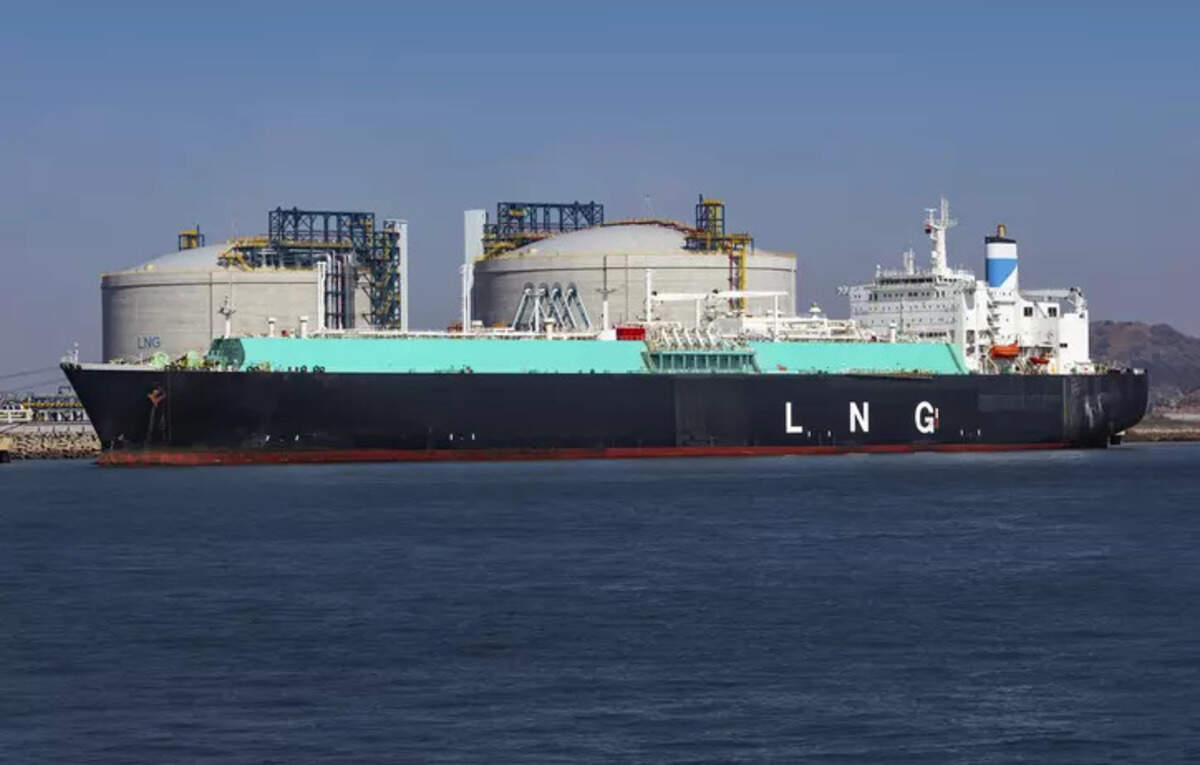
Global shipping behemoth Mitsui O.S.K. Lines (MOL), recognized as the world’s second-largest ship owner by total fleet capacity, is significantly ramping up its presence within India’s dynamic energy sector. The company’s latest move, integrating a Very Large Gas Carrier (VLGC) into its Indian subsidiary’s fleet, highlights a compelling trend: major international maritime operators are increasingly choosing to register vessels under the flag of the globe’s fastest-expanding major economy. This strategic maneuver by MOL offers crucial insights for investors tracking the intricate landscape of global energy trade and maritime logistics.
MOL Deepens Commitment to Indian Maritime Operations
The recent addition, the 2010-built liquefied petroleum gas (LPG) tanker ‘Green Sachi,’ has transitioned from Liberian to Indian flag registration, officially joining the operational fleet of MOL (India) Pvt Ltd. This integration substantially strengthens MOL (India)’s capabilities, elevating its fleet to an impressive 11 Indian-flagged gas, product, and crude tankers. Consequently, it solidifies the company’s standing as the fourth-largest Indian ship owner by fleet size. Beyond its core tanker operations, MOL (India), established within the Domestic Tariff Area (DTA), actively participates in car carrier transportation and provides a suite of comprehensive ship management services, demonstrating an expansive and integrated footprint across the Indian maritime landscape.
Further cementing its strategic commitment, MOL has also inaugurated MOL Shipping IFSC Pvt Ltd in the Gujarat International Finance Tec-City (GIFT City). This premier International Financial Services Centre (IFSC), operating under India’s Special Economic Zone Act, serves as a hub specifically for sophisticated ship leasing and operational activities. This move underscores a refined approach to shipping finance and fleet management, leveraging the attractive incentives and regulatory framework of GIFT City.
Global Shipping Titans Converge on Indian Maritime Investment
MOL’s strategic pivot is far from an isolated event; rather, it signals a broader, industry-wide shift among leading global shipping entities. On April 28, Marseille-based CMA CGM S.A., globally recognized as the third-largest container shipping line, garnered significant attention by re-flagging one of its foreign-flagged container ships to Indian registration. This milestone marked a historic first for a major global container carrier operating within India, with concrete plans already in motion to re-flag three additional foreign container vessels. These four container ships will be wholly owned by CMA CGM’s Indian entity, CMA CGM Shipping Assets India IFSC Pvt Ltd, which is also strategically situated within GIFT City, signaling a concerted effort to deepen maritime investment and operational capabilities in the region.
Another powerful testament to this escalating trend comes from BW LPG Ltd, the world’s leading owner and operator of LPG vessels, including state-of-the-art VLGCs, with listings on both the Oslo and New York stock exchanges. On March 31, BW LPG announced a significant transaction: the sale of two modern VLGCs to its Indian unit, BW LPG India, in a substantial deal valued at $150 million. This strategic acquisition will expand BW LPG India’s fleet to nine LPG carriers, unequivocally reinforcing its status as the largest owner and operator of Indian-flagged LPG vessels.
Why India? Unpacking the Demand Drivers for Energy Logistics
The collective actions of these global shipping giants underscore a clear rationale: India represents an undeniable growth frontier for energy and maritime logistics. Several key factors are driving this intense focus:
Soaring Energy Demand: India is projected to be a primary driver of global energy demand growth over the coming decades. A burgeoning population, rapid industrialization, and increasing urbanization are fueling a voracious appetite for cleaner fuels, particularly LPG. LPG consumption has seen consistent year-on-year increases, driven by government initiatives to promote its use in households (e.g., the Ujjwala scheme) as a cleaner alternative to traditional biomass.
Strategic Flagging Benefits: Registering vessels under the Indian flag offers several advantages. These include preferential treatment in coastal trade (cabotage laws), which reserves domestic cargo for Indian-flagged vessels, thereby ensuring a steady revenue stream. Furthermore, the Indian government provides various fiscal incentives and subsidies to encourage domestic flagging and shipbuilding, aiming to boost its indigenous maritime capabilities.
GIFT City as a Financial Gateway: The establishment of entities within GIFT City is a game-changer for international shipping companies. As an International Financial Services Centre, it offers a competitive regulatory environment, tax benefits, and easier access to global capital for ship financing, leasing, and other maritime financial services. This makes it an attractive hub for structuring complex shipping deals and managing large fleets.
Infrastructure Development: India is heavily investing in port infrastructure, LNG terminals, and gas pipeline networks. This expanding infrastructure is crucial for facilitating the efficient import, storage, and distribution of LPG and other energy products, creating a robust ecosystem for maritime energy transportation.
Investment Implications for Oil & Gas and Maritime Sectors
For investors eyeing the oil and gas and maritime sectors, these developments signal several key opportunities and considerations:
Growth in VLGC and LPG Carrier Demand: The sustained push by global players like MOL and BW LPG into India directly translates into strong demand for VLGCs and other LPG carriers. This bodes well for companies involved in the construction, ownership, and operation of such vessels. Investors should monitor earnings reports and fleet expansion plans of leading LPG shipping firms.
Indian Maritime Sector as an Investment Theme: The increasing foreign direct investment in Indian-flagged vessels and maritime services points to India’s emerging role as a significant global maritime hub. Local shipping companies, port operators, and logistics providers stand to benefit from increased trade volumes and specialized services.
GIFT City’s Rising Prominence: The strategic concentration of shipping finance and leasing operations in GIFT City could lead to further growth in financial services related to the maritime industry. This could present opportunities for financial institutions, legal firms, and advisory services specializing in shipping finance.
Energy Transition Tailwinds: While LPG is a fossil fuel, it’s considered a cleaner burning option than coal or traditional biomass, aligning with India’s energy transition goals towards reducing pollution and improving air quality. This ensures continued governmental support and consumer adoption.
In conclusion, the strategic maneuvers by MOL, CMA CGM, and BW LPG are not merely isolated corporate decisions but powerful indicators of India’s ascendance as a critical growth market for energy logistics and maritime investment. For astute investors, these moves highlight a compelling narrative of robust demand, strategic policy support, and a burgeoning financial ecosystem that positions India at the forefront of the global energy and shipping landscape.
