

India’s Energy Security Bolstered Amidst Global Volatility: A Confident Outlook for Oil & Gas Investors
India’s energy landscape presents a robust picture of supply stability and strategic foresight, offering a compelling narrative for investors monitoring the global oil and gas markets. As international energy dynamics remain fluid, the nation’s Ministry of Petroleum and Natural Gas has unequivocally confirmed India’s strong position, underscoring significant fuel reserves and resilient supply chains that effectively counter recent market speculation.
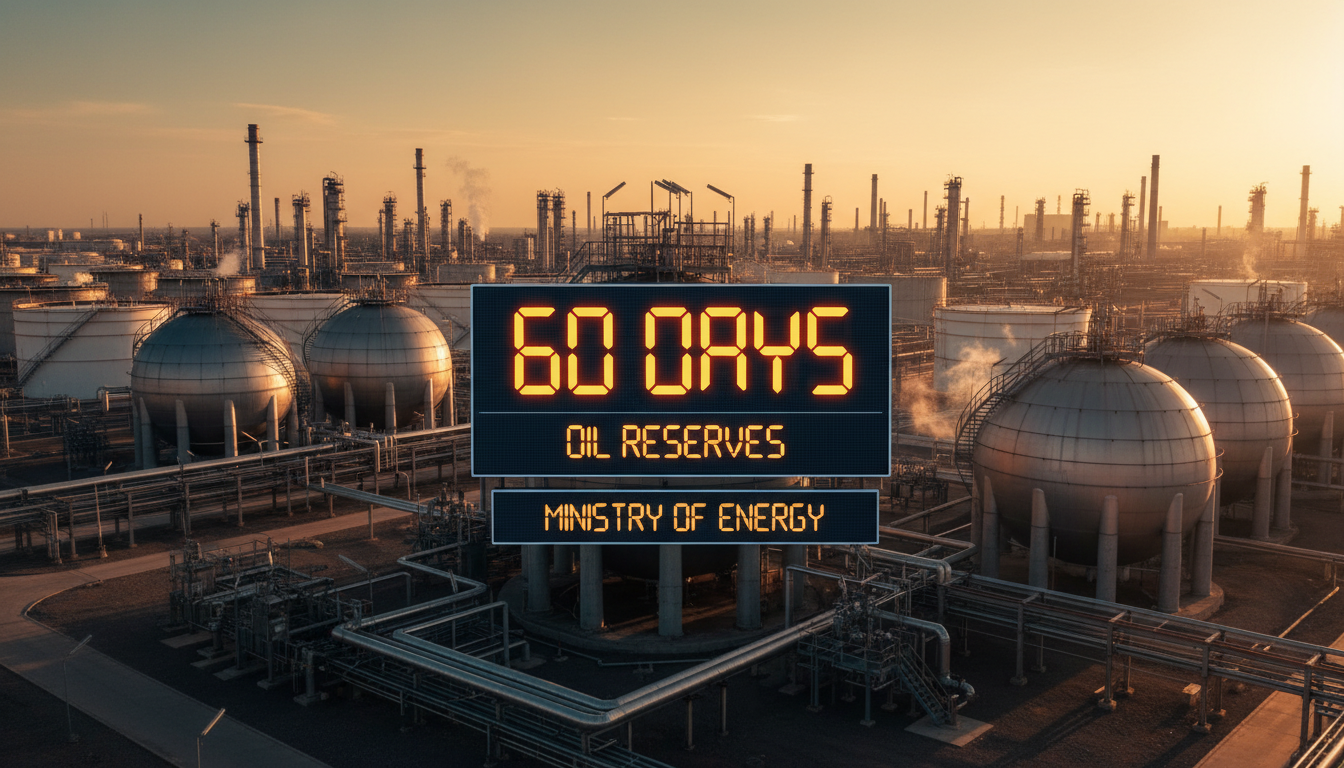
The ministry’s recent statements confirm a current fuel stock cover extending for approximately 60 days. This substantial buffer is a testament to meticulous planning and proactive sourcing. Furthermore, India’s comprehensive energy reserve capacity, encompassing crude oil, refined petroleum products, and critical strategic reserves, provides an even broader safety net, capable of sustaining demand for an impressive 74 days. This impressive capacity directly refutes misleading claims of critical shortages, particularly the unsubstantiated notion of merely six days of stock, which has circulated through various channels.
For investors, these figures translate into tangible stability. With nearly two months of consistent energy supply secured for every citizen, regardless of potential global disruptions, India significantly mitigates short-term market volatility risks. This strategic advantage is further reinforced by the confirmation that crude supplies for the upcoming 60-day period have already been firmly secured. Such forward contracting is particularly critical in light of ongoing geopolitical tensions, including those impacting crucial transit choke points like the Strait of Hormuz, demonstrating India’s capability to insulate its domestic market from external shocks.
Dispelling Market Jitters: No Fuel Shortages, No Rationing Directives
In a direct address to market concerns, the Ministry of Petroleum and Natural Gas has categorically stated that there is no scarcity of petrol, diesel, or Liquefied Petroleum Gas (LPG) across the nation. Critically, no directives have been issued to ration fuel, a stark contrast to measures observed in other parts of the world. This official reassurance is vital for maintaining investor confidence in the operational continuity of India’s vast energy distribution network.
The extensive network of over 100,000 retail fuel outlets nationwide remains fully operational, dispensing fuel without interruption. This unbroken service chain underscores the efficiency and resilience of India’s downstream sector. Unlike many countries grappling with significant price escalations, rationing schemes, vehicle restrictions, or even forced station closures—some of which have declared national energy emergencies—India’s robust energy infrastructure has obviated the need for any such extraordinary measures. This stability offers a predictable operating environment for companies involved in fuel distribution and retail, bolstering their revenue streams and market position.
Isolated instances of queues at petrol pumps have been attributed primarily to localized panic buying, often triggered by the circulation of misleading digital content. In response, state-owned oil marketing companies have swiftly intensified supply efforts. A key financial intervention has been the extension of credit facilities to petrol pump owners, moving from a previous allowance of one day to over three days. This strategic increase in working capital support ensures that operational issues at the dealer level do not translate into supply disruptions, thereby safeguarding the smooth flow of essential fuels to consumers and commercial entities alike.
LPG Sector Stability and Vigilance Against Misinformation
The LPG sector, a crucial component of India’s domestic energy mix, also reflects a picture of stability and sustained supply. Domestic production has seen a commendable increase, complementing firmly secured import cargoes. Following a brief period of heightened demand driven by panic ordering, supply chains for LPG have now stabilized, ensuring consistent availability for households and businesses. This sustained focus on both indigenous production and diversified international sourcing strategies provides a secure foundation for the country’s growing LPG consumption.
In a significant move to protect market integrity and public trust, the government has issued a stern warning against individuals or groups propagating false information. Such misinformation, often amplified by malicious elements, is recognized as a direct threat to public order and market stability. The ministry strongly advises citizens and, by extension, market participants, to rely exclusively on official government communications for accurate energy sector updates. This proactive stance against disinformation is essential for maintaining a stable investment climate, preventing unnecessary market volatility, and ensuring that strategic decisions are based on verifiable facts rather than rumor.
Overall, India’s meticulous planning, significant reserve capacity, and proactive measures to ensure uninterrupted supply and combat misinformation project an image of formidable energy security. For investors in the oil and gas sector, this translates into a stable, predictable, and resilient market environment that continues to offer compelling opportunities for growth and sustainable returns as of March 26, 2026.
