Mideast Energy: Israel’s Influence Surges
Amidst significant geopolitical tensions following the October 7, 2023 events and the ensuing Gaza conflict, Israel is rapidly solidifying its position as a pivotal energy exporter in the Eastern Mediterranean. This strategic pivot, driven by substantial natural gas reserves, underscores how the imperative for energy security can transcend acute political friction. The recent announcement of a $35 billion natural gas export deal to Egypt from the Leviathan field represents not only a monumental commercial agreement but also a powerful testament to the enduring influence of energy in shaping regional alliances and economic stability.
The Leviathan-Egypt Nexus: Energy Security Trumps Geopolitics
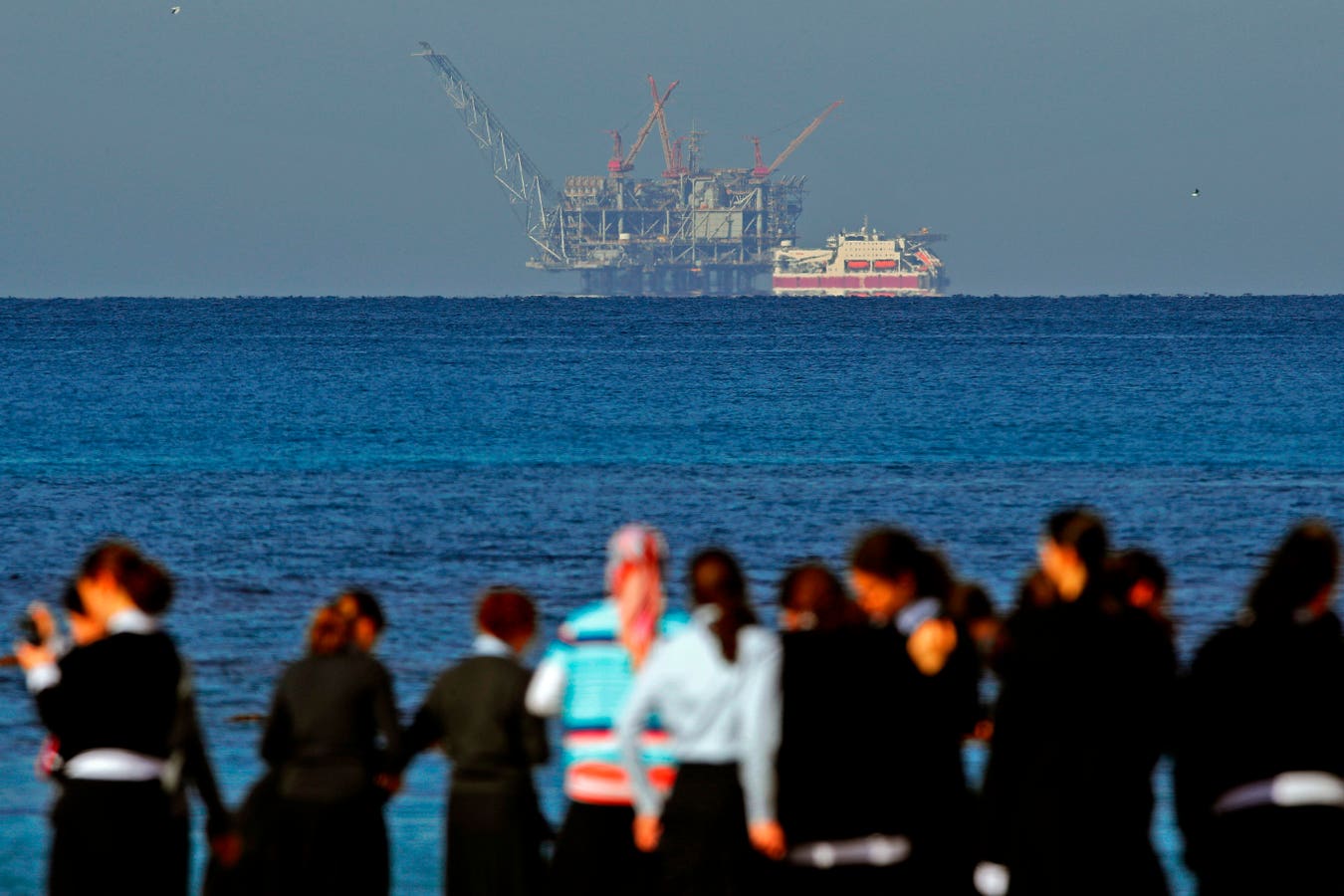
The core of Israel’s burgeoning energy footprint lies in its offshore natural gas fields, particularly Leviathan. The recently finalized agreement sees Leviathan Partners, through NewMed Energy, committing to supply approximately 130 billion cubic meters (bcm) of natural gas to Blue Ocean Energy in Egypt over the next 15 years, extending until around 2040. This volume is roughly equivalent to two years of Egypt’s total natural gas demand, highlighting its critical importance for Cairo’s energy mix. Notably, the deal will involve an immediate increase in gas sales to Egypt, escalating from 4.5 bcm to 6.5 bcm annually by early next year. For Egypt, this deal translates into substantial cost savings and a guaranteed, reliable energy supply, a non-negotiable for its growing population and industrial base. Despite widespread public sentiment in Egypt regarding the Gaza conflict, President Abdel Fattah Al-Sisi’s administration has demonstrably prioritized energy stability, illustrating how fundamental economic needs can override immediate political pressures. Investors should view this long-term commitment as a de-risking factor for regional energy infrastructure, providing a stable revenue stream for Israeli energy firms and bolstering Egypt’s economic resilience.
Broader Regional Implications and Lebanon’s Energy Gambit
The strategic ripple effects of Israel’s energy ascendancy extend beyond its immediate neighbors. The successful execution of the Leviathan-Egypt deal sends a clear message across the region regarding the tangible benefits of cooperation over conflict when it comes to shared energy resources. Lebanon, for instance, holds significant offshore gas potential in fields like Qana, adjacent to Israel’s Karish field. While a 2022 agreement between Israel and Lebanon laid the groundwork for developing these resources, security concerns, particularly from Hezbollah, have threatened its progress. However, as Lebanese President Joseph Aoun has reportedly discussed the prospect of disarming Hezbollah, the promise of natural gas revenue becomes an even more compelling incentive for stability and economic reconstruction in a nation grappling with severe financial crises. For investors, the potential for further gas deals, particularly if Lebanon can stabilize its internal political landscape, could unlock significant value and further entrench the Eastern Mediterranean as a vital energy corridor, potentially reducing reliance on more volatile supply regions.
Market Snapshot: Regional Stability Amidst Crude Volatility
As of today, Brent crude trades at $98.2 per barrel, marking a robust 3.44% gain for the session, with WTI crude similarly up 2.28% at $90.14. This strong daily performance comes after a challenging two-week period where Brent crude shed 12.4%, declining from $108.01 on March 26th to $94.58 yesterday. Gasoline prices also reflect today’s bullish sentiment, up 2.33% to $3.08 per gallon. While these regional natural gas agreements do not directly move global crude prices on a daily basis, they contribute significantly to broader energy security and can temper geopolitical risk premiums that often inflate oil prices. By ensuring reliable gas supplies to key regional players like Egypt, the likelihood of energy-driven instability decreases, allowing more capital to flow into development and infrastructure. Investors should note that while crude markets remain susceptible to global demand shifts and OPEC+ decisions, the growing stability in Eastern Mediterranean gas markets provides a crucial, albeit indirect, layer of regional de-risking.
Navigating the Future: Investor Focus and Upcoming Catalysts
Investors are keenly focused on forward price signals, frequently asking for a base-case Brent price forecast for the next quarter and the consensus 2026 Brent forecast. While global crude supply-demand balances, inventory levels, and macroeconomic indicators remain primary drivers, the emerging energy landscape in the Middle East, characterized by long-term gas deals like the Leviathan-Egypt agreement, offers a nuanced dimension. These developments, by fostering regional energy independence and potentially mitigating local conflicts, can contribute to a more stable geopolitical backdrop, which in turn supports more predictable long-term energy pricing. Looking ahead, several key events will shape the immediate market outlook. The upcoming OPEC+ Joint Ministerial Monitoring Committee (JMMC) meeting on April 18th, followed by the full Ministerial meeting on April 20th, will be critical in assessing future crude production policies. Weekly data releases, such as the API Weekly Crude Inventory on April 21st and the EIA Weekly Petroleum Status Report on April 22nd, will provide fresh insights into U.S. supply and demand dynamics. Additionally, the Baker Hughes Rig Count reports on April 17th and 24th will offer vital indications of North American production trends. For investors, integrating the stabilizing influence of regional gas deals with these global crude market catalysts is essential for building a comprehensive and resilient investment thesis in the dynamic oil and gas sector.