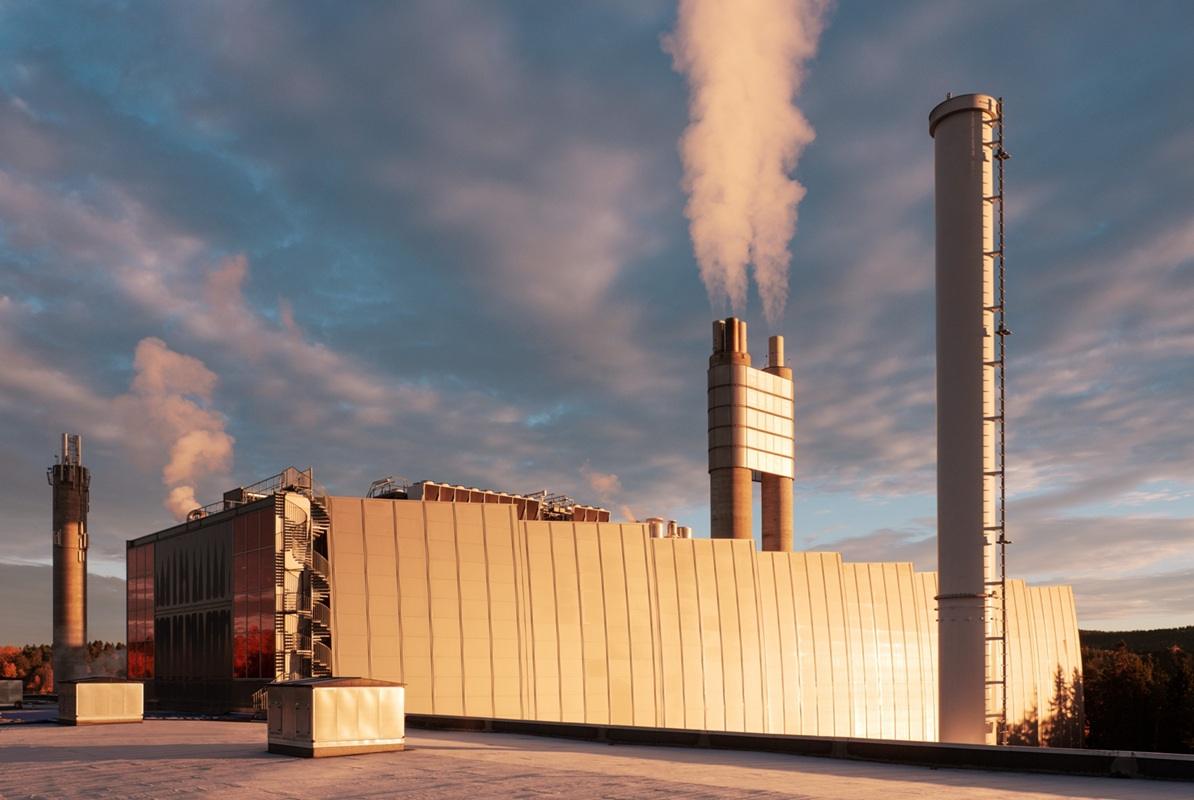
The recent carbon removal offtake agreement between Microsoft and Hafslund Celsio marks a significant milestone in the burgeoning carbon capture and waste-to-energy (WtE) sectors. This isn’t just another transaction; it’s a powerful validation of WtE’s potential as a credible and scalable provider of permanent carbon removals. For astute investors navigating the complex energy transition landscape, this deal offers crucial insights into evolving market dynamics, the strategic value of carbon credits, and the long-term investment horizon for innovative decarbonization technologies. As traditional energy markets face ongoing volatility, the emergence of concrete, large-scale carbon capture projects underscores a profound shift in capital allocation towards solutions that address both energy demand and climate imperatives.
The Commercial Imperative of Waste-to-Energy Carbon Capture
Hafslund Celsio’s Klemetsrud facility in Oslo, Norway, exemplifies the dual benefit of modern waste management: converting approximately 350,000 metric tons of sorted residual waste annually into electricity and heat, while simultaneously tackling emissions. The core of the Microsoft agreement lies in supporting a full-scale carbon capture and storage (CCS) project at this site, designed to capture an estimated 350,000 tonnes of CO2 per year. Critically, about half of this captured CO2 will originate from biogenic emissions – the burning of organic materials like paper and cardboard – which are eligible for carbon credit generation. The remaining half, from fossil CO2 emissions derived from plastics, will directly reduce Oslo’s annual emissions by a substantial 20%, demonstrating a comprehensive approach to environmental impact.
The commitment from a tech behemoth like Microsoft, which is by far the largest corporate purchaser of carbon removal credits globally, injecting capital into this project, signals robust commercial viability. This deal, spanning over ten years for more than 1 million tons of carbon credits, provides crucial financial certainty and validates the long-term value proposition of WtE-based carbon removal. Hafslund Celsio’s CEO, Martin S. Lundby, rightly highlighted this as a “significant contribution to the commercial success” of their project, positioning the WtE sector as a key player in delivering permanent carbon removals. This project is not just an isolated initiative; it’s part of Norway’s broader Longship CCS program, envisioned as a blueprint for the over 500 other waste-to-energy plants across Europe, indicating vast scalability and a compelling investment narrative.
Navigating Market Volatility with Strategic Decarbonization
In the current energy climate, investors are continually seeking clarity amidst fluctuating commodity prices. Our proprietary intent data shows a strong focus on price discovery, with questions like “What is the consensus 2026 Brent forecast?” and “Build a base-case Brent price forecast for next quarter” frequently dominating reader inquiries. As of today, Brent crude trades at $95.21, up 0.44% within a daily range of $91 to $96.89, while WTI crude stands at $91.76, up 0.53%. This resilience comes after a notable dip, with Brent having trended downwards by approximately $9, or 8.8%, over the past 14 days, from $102.22 to $93.22. Gasoline prices, currently at $3, also reflect this dynamic, showing a 1.01% daily increase.
This backdrop of dynamic crude and refined product pricing underscores a critical divergence: while traditional fossil fuel markets remain susceptible to short-term supply-demand imbalances and geopolitical events, the investment case for long-term decarbonization solutions like WtE carbon capture continues to strengthen. The Microsoft deal demonstrates that a significant segment of the market is willing to pay a premium for verified carbon removal, creating a new revenue stream and risk mitigation strategy for energy infrastructure assets. This emerging market for carbon credits provides a hedge against potential future carbon taxes or stricter emissions regulations, making such projects attractive even when conventional energy prices experience volatility.
Forward Momentum: Policy, Events, and the Carbon Economy
The strategic deployment of carbon capture at Klemetsrud is deeply intertwined with supportive governmental frameworks, particularly Norway’s Longship project. Such initiatives are vital for de-risking early-stage, large-scale carbon capture ventures, providing a clear policy signal for future investments. The project’s timeline, with CO2 capture expected to commence in 2029, aligns with long-term climate targets and showcases the patient capital required for significant infrastructure development in the energy transition.
Looking ahead, the next 14 days present several critical events that will influence the broader energy landscape. Upcoming Baker Hughes Rig Count reports on April 17th and 24th will offer insights into drilling activity, while the OPEC+ Joint Ministerial Monitoring Committee (JMMC) meeting on April 18th and the Full Ministerial meeting on April 20th could dictate crude supply policies. Furthermore, the API and EIA Weekly Crude Inventory reports on April 21st, 22nd, 28th, and 29th will provide real-time indicators of demand and storage levels. While these events directly impact the traditional oil and gas sector, their outcomes can indirectly influence the pace and economics of the energy transition. Sustained higher crude prices, for instance, could accelerate investment in alternatives and decarbonization technologies as companies seek to diversify revenue streams and enhance their environmental credentials. Conversely, lower prices might challenge the economics of certain green investments if not supported by strong policy and corporate commitments, highlighting the strategic importance of early mover advantage and secure offtake agreements like the one with Microsoft.
Investment Horizon: Positioning for a Decarbonized Future
The Microsoft-Hafslund Celsio agreement is more than just a single deal; it’s a powerful signal for investors to re-evaluate their portfolios for long-term growth in the decarbonization economy. The scalability potential, specifically the “roadmap” aspiration for 500 other European WtE plants, presents an enormous addressable market for similar carbon capture solutions. Investors should look for companies positioned to capitalize on this trend, whether through developing proprietary capture technologies, operating WtE facilities, or providing carbon transport and storage solutions like the Northern Lights facility in Norway.
This transaction underscores the increasing financial value placed on verified carbon removal, creating a robust market for carbon credits that can significantly enhance the profitability and sustainability of industrial operations. As global pressure mounts to meet Paris Agreement climate targets, the integration of carbon capture into essential services like waste management offers a compelling, pragmatic pathway. Investors keen on securing positions in the future energy landscape should prioritize ventures that demonstrate technological readiness, strong corporate partnerships, and alignment with supportive governmental policies, recognizing that today’s innovative carbon removal projects are tomorrow’s foundational energy infrastructure.


