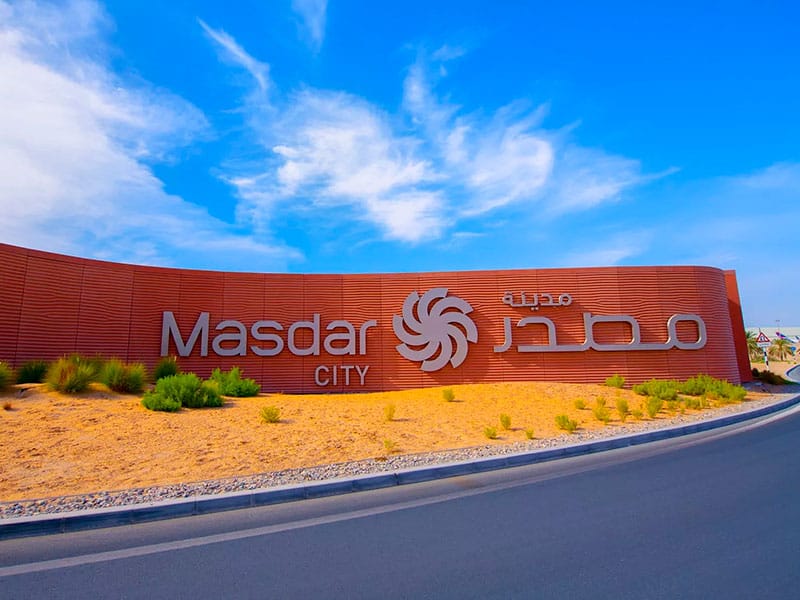
The global energy landscape is undergoing a profound transformation, with decarbonization imperatives driving significant capital toward innovative solutions. In this dynamic environment, Sustainable Aviation Fuel (SAF) has emerged as a critical vector for the aviation sector, a segment notoriously challenging to decarbonize. Abu Dhabi is strategically positioning itself at the forefront of this shift, with Masdar and Tadweer Group advancing a landmark project to establish the emirate’s inaugural commercial-scale waste-to-SAF plant. This initiative is more than just an environmental statement; it represents a calculated investment in future energy security, diversification, and a new revenue stream for a major oil and gas producer, offering a compelling case study for investors tracking the energy transition.
Anchoring Abu Dhabi’s Low-Carbon Ambitions
The joint development agreement between Masdar, a global leader in renewable energy, and Tadweer Group, Abu Dhabi’s waste management powerhouse, marks a pivotal moment for the region’s clean energy aspirations. This project aims to convert approximately 500,000 tons of urban solid waste and biomass annually into high-quality sustainable aviation fuel. Such a scale immediately positions Abu Dhabi as a significant player in the nascent but rapidly expanding regional SAF market. For investors, this signals a clear commitment from a key OPEC nation to diversify its energy portfolio beyond traditional hydrocarbons, leveraging its existing infrastructure and strategic location to become a hub for low-carbon fuels. The initiative directly supports the UAE’s ambitious net-zero targets and its national hydrogen strategy, demonstrating how waste streams can be transformed into valuable economic and environmental assets rather than simply managed as disposal challenges.
Hybrid Pathway: A Blueprint for Sustainable Fuel Production
At the heart of this project lies an innovative hybrid production route, combining proven technologies to maximize efficiency and minimize lifecycle emissions. The process involves waste gasification, which converts refuse-derived feedstock into syngas, a crucial intermediary. Simultaneously, renewable-powered electrolysis will produce green hydrogen. The strategic blending of these two streams enables the chemical conversion into SAF with a significantly reduced carbon footprint compared to conventional jet fuels. This technological integration is particularly noteworthy for investors seeking exposure to projects that combine advanced waste management with renewable energy integration. Masdar’s CEO, Mohamed Jameel Al Ramahi, emphasized the partnership’s role in accelerating the energy transition in hard-to-abate sectors, while Tadweer Group’s Managing Director and CEO, Ali Al Dhaheri, highlighted the strategic value unlocked by transforming waste into a key energy resource. This dual focus on innovation and resource optimization provides a robust foundation for long-term operational viability and environmental impact.
Navigating Volatility: SAF as a Strategic Hedge Amidst Crude Swings
The strategic importance of diversified energy investments becomes particularly clear when observing the recent volatility in the conventional crude market. As of today, Brent crude trades at $91.1 per barrel, marking an 8.34% decline within a single trading day, with prices fluctuating between $86.08 and $98.97. This sharp downturn is not an isolated event; Brent has shed $14, or 12.4%, since late March, when it traded at $112.57. WTI crude also mirrors this trend, currently at $83.32, down 8.61% for the day. Such significant swings underscore the inherent risks of over-reliance on a single commodity. For astute investors, the Abu Dhabi SAF project offers a compelling counter-cyclical or complementary investment. While traditional oil prices are subject to geopolitical tensions, supply-demand imbalances, and broader economic cycles, SAF demand is increasingly driven by regulatory mandates, corporate sustainability targets, and a long-term structural shift in the aviation industry towards decarbonization. This provides a level of demand stability and growth trajectory less directly correlated with the daily gyrations of the crude market, positioning SAF as a crucial strategic hedge against future hydrocarbon price volatility and a diversifying asset in an energy portfolio.
Forward Momentum: Policy, Production, and Future Market Dynamics
The timing of Abu Dhabi’s SAF push is particularly strategic, aligning with a period of intense focus on global energy policy and supply dynamics. The coming days are packed with critical events that will shape the conventional oil market, including the highly anticipated OPEC+ Joint Ministerial Monitoring Committee (JMMC) meeting today, April 17th, followed by the Full Ministerial Meeting tomorrow, April 18th. Decisions made at these gatherings regarding production quotas will directly influence short-term crude prices and global supply narratives. Furthermore, the API Weekly Crude Inventory reports on April 21st and 28th, along with the EIA Weekly Petroleum Status Reports on April 22nd and 29th, will provide crucial insights into demand and storage levels. While these events focus on traditional hydrocarbons, they indirectly amplify the long-term investment case for SAF. Regardless of short-term crude supply adjustments, the aviation sector faces a non-negotiable decarbonization pathway. Upcoming regulatory changes, such as more stringent SAF blending mandates in key aviation hubs, will create a structural demand floor that is less susceptible to immediate market sentiment. Abu Dhabi’s proactive move to establish large-scale SAF production positions it perfectly to capitalize on this inevitable future, ensuring its role as a key energy supplier evolves with global climate ambitions.
Addressing Investor Concerns: Long-Term Value in a Shifting Energy Paradigm
Our proprietary reader intent data reveals a consistent investor focus on long-term market outlooks, with a significant number of inquiries asking, “What do you predict the price of oil per barrel will be by end of 2026?” This question highlights a fundamental concern about the future value proposition of traditional oil and gas assets. The Abu Dhabi SAF project provides a tangible answer to how major energy players are diversifying and building sustainable value in a world increasingly focused on decarbonization. It signals a shift from a purely volumetric production model to one that integrates environmental stewardship and technological innovation. Investors are also keenly interested in specific company performance, often asking about the short-term outlook for integrated energy companies. Projects like this SAF plant offer a critical component for these companies’ long-term viability, demonstrating their commitment to the energy transition and their ability to generate future revenue streams beyond conventional fossil fuels. By investing in scalable, hybrid-technology SAF production, Abu Dhabi is not just meeting climate goals but is actively shaping its future economic resilience, offering a compelling narrative for investors seeking diversified exposure in the evolving global energy market.


