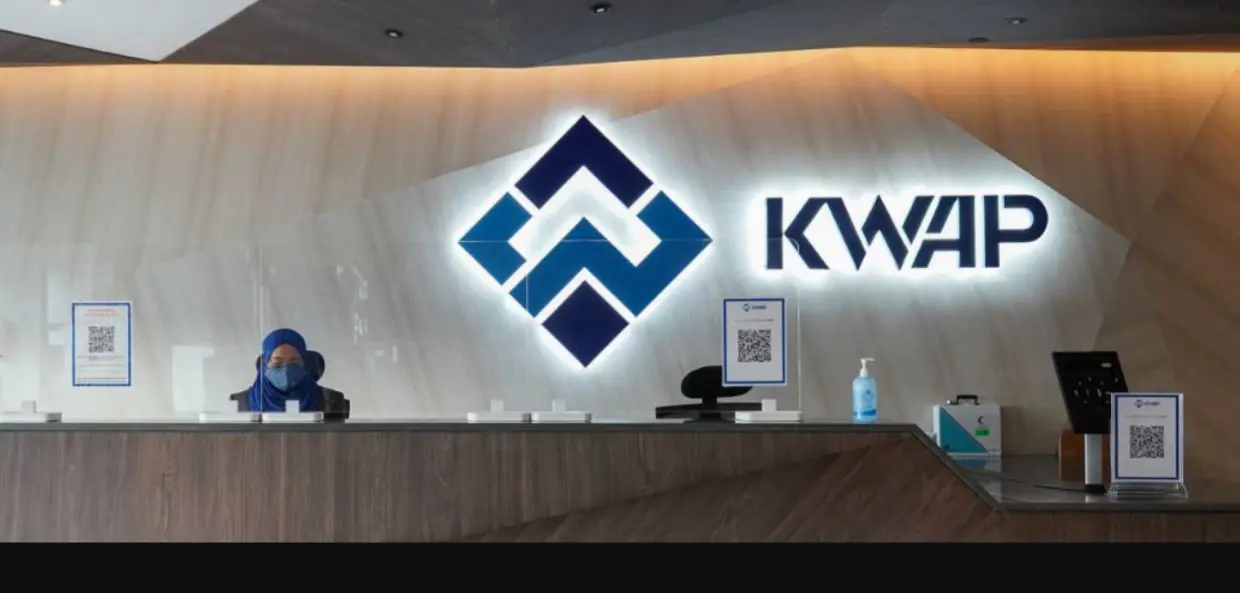
The global energy landscape is undergoing a profound transformation, driven by both market forces and a growing imperative for sustainability. In this evolving environment, institutional investors are increasingly recalibrating their portfolios to align with a low-carbon future. A recent significant development underscores this shift: Malaysia’s public sector pension fund, Kumpulan Wang Persaraan (KWAP), has launched Dana Iklim+, a dedicated climate-focused investment vehicle. This 2 billion ringgit ($475 million) commitment represents a strategic move by a major regional player, signaling how pension capital is actively being mobilized to drive the energy transition and reshape the investment frontier. For oil and gas investors, understanding these macro capital flows is crucial, as they directly influence long-term demand trends, asset valuations, and the competitive landscape for energy investments.
The Shifting Tides of Capital: Pension Funds Eye Low-Carbon Futures
KWAP’s introduction of Dana Iklim+ marks a pivotal moment for sustainable finance in Southeast Asia. This substantial fund, allocated an initial $475 million, is designed to channel capital into projects and companies that are actively accelerating Malaysia’s journey towards a low-carbon, climate-resilient economy. The fund’s multi-asset strategy is particularly noteworthy, spanning critical areas such as infrastructure, private equity, real estate, and nature-based solutions. This diversified approach aims to capture value across various segments of the green economy, from renewable energy projects and sustainable urban development to vital conservation efforts. The initiative directly supports Malaysia’s National Energy Transition Roadmap and its ambitious goal of achieving net-zero emissions by 2050, demonstrating a clear alignment between institutional investment strategy and national policy objectives. KWAP projects that these investments could help avoid or mitigate up to one million metric tons of carbon dioxide equivalent, underscoring a commitment to tangible environmental outcomes alongside financial returns. This move by a major pension fund highlights a growing trend among fiduciaries to embed climate considerations into core investment mandates, recognizing both the risks of inaction and the opportunities presented by the transition.
Navigating Market Volatility: A Backdrop for Sustainable Investment
The launch of Dana Iklim+ occurs amidst a dynamic and often volatile global energy market, a reality that deeply concerns investors. As of today, Brent crude trades at $96.3 per barrel, reflecting a 3.11% decline from its previous close, with an intraday range between $95.59 and $98.97. Similarly, WTI crude has seen a significant dip, trading at $87.83 per barrel, down 3.66% today, fluctuating between $87.02 and $90.34. This recent softening in crude prices extends a broader trend; Brent crude has fallen approximately 12.4% over the last 14 days, from $112.57 on March 27th to $98.57 yesterday. Gasoline prices have also followed suit, currently at $3.03, down 1.94% today. These price movements create a complex backdrop for energy investment decisions. While lower crude prices might temporarily ease inflationary pressures, they also impact the profitability of traditional upstream projects and can influence the relative attractiveness of higher-cost renewable energy ventures. For sophisticated investors, such as KWAP, committing hundreds of millions to climate solutions during periods of crude market flux demonstrates a long-term strategic conviction. It suggests that while short-term commodity prices grab headlines, the fundamental drivers for energy transition investments – regulatory pressure, technological advancements, and the growing demand for sustainable solutions – remain robust and increasingly immune to daily market swings.
Key Calendar Events and Investor Focus: What’s Next for Global Energy?
Investors are keenly focused on upcoming events that will shape short-term energy market dynamics, with many asking about current OPEC+ production quotas and the immediate outlook for Brent crude prices. This intense interest highlights the continuing interplay between traditional energy supply management and the broader energy transition narrative. The next 14 days are packed with critical calendar events. The OPEC+ Joint Ministerial Monitoring Committee (JMMC) meeting tomorrow, April 17th, followed by the Full Ministerial Meeting on April 18th, will be closely watched for any indications regarding future production policy. Any adjustments to quotas could significantly impact global supply balances and, consequently, crude prices, directly influencing the economic models behind both conventional and alternative energy projects. Furthermore, weekly data releases such as the API Crude Inventory on April 21st and 28th, and the EIA Weekly Petroleum Status Reports on April 22nd and 29th, will provide crucial insights into immediate supply and demand trends in the United States. The Baker Hughes Rig Count on April 24th and May 1st will offer a snapshot of drilling activity and future production capacity. While KWAP’s $475 million investment targets long-term climate solutions, the immediate market environment shaped by these events affects the cost of capital, investor sentiment, and the overall competitiveness of the energy sector. Astute investors understand that while the energy transition is a multi-decade journey, short-term market indicators provide vital context for capital allocation decisions.
Beyond Decarbonization: The Holistic Mandate of Climate Finance
The “plus” in Dana Iklim+ signifies a broader and more holistic mandate that extends beyond mere decarbonization. KWAP’s fund aims to address interconnected development goals, including food security, clean water access, increased renewable energy availability, and inclusive economic participation. This comprehensive approach reflects an evolving understanding among institutional investors that climate change is not an isolated challenge but is deeply intertwined with social and economic development. By integrating these co-benefits into its investment framework, KWAP is positioning Dana Iklim+ as a vehicle for systemic change, not just carbon reduction. For investors, this holistic strategy implies a more resilient and impactful investment thesis. Projects that simultaneously tackle climate mitigation, enhance community well-being, and foster economic growth are often more sustainable in the long run, facing fewer social license challenges and potentially generating more stable returns. This layered approach to impact assessment, linking investment outcomes to measurable targets across six dimensions including climate resilience and UN Sustainable Development Goals, is becoming a gold standard in climate finance. It aims to strengthen accountability and attract further private-sector participation, creating a powerful multiplier effect for climate action. Other global pension funds and asset managers are likely to observe this model closely, as it offers a blueprint for how institutional capital can drive not just a low-carbon transition, but a genuinely sustainable and equitable future.


