

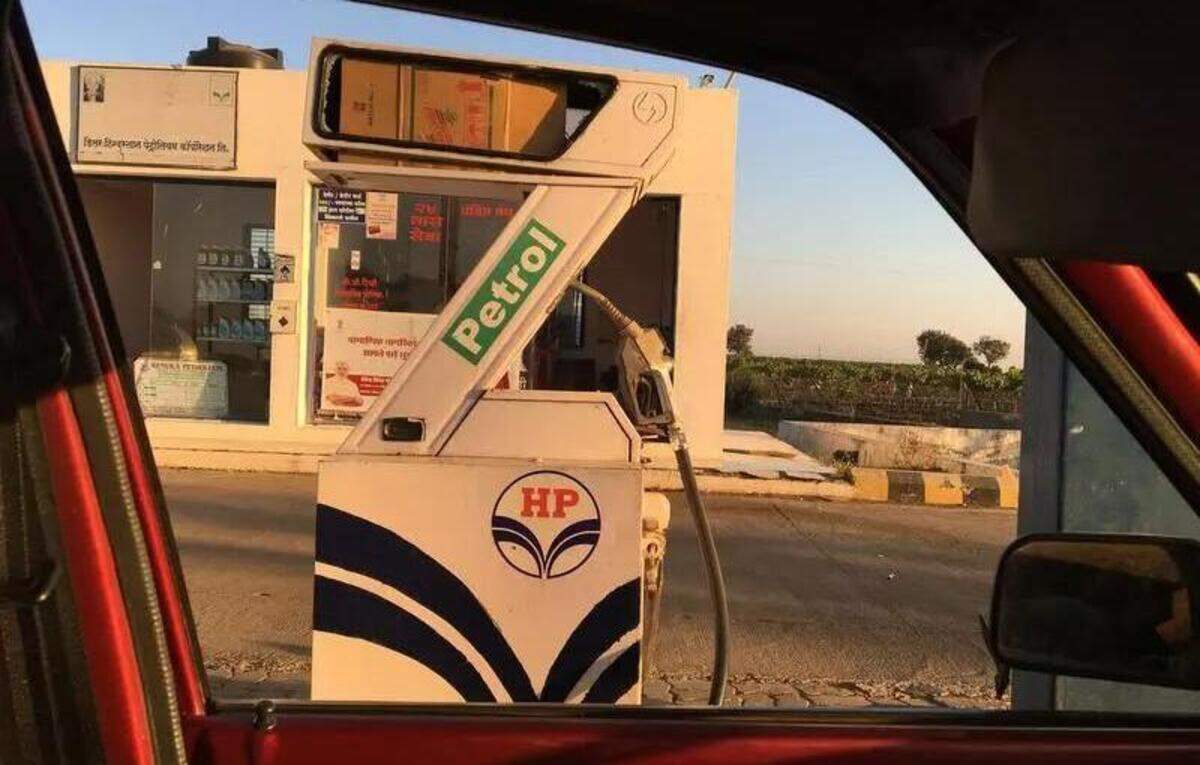
The Indian oil and gas sector is currently grappling with a significant policy proposal emanating from Maharashtra, a state pivotal to the nation’s economic landscape and energy consumption patterns. Investors with stakes in the subcontinent’s hydrocarbon market are closely monitoring a stringent new environmental mandate under consideration by the Maharashtra government. This proposed regulation, dubbed “No Pollution Under Control (PUC), No Fuel,” aims to restrict the sale of refined petroleum products to vehicles that fail to meet mandated emission standards, posing a direct threat to gasoline and diesel demand within one of India’s most populous and economically dynamic regions.
Maharashtra’s Bold Environmental Gambit
State Transport Minister Pratap Sarnaik formally announced on Tuesday, May 6, 2025, that the state administration is preparing to roll out a robust framework designed to mitigate the escalating air pollution attributed to the burgeoning vehicle fleet. During a critical review session with officials from the Motor Vehicles Department, Minister Sarnaik underscored the imperative for immediate action, citing a concerning surge in atmospheric pollutants linked to conventionally fueled transportation. This proactive stance by Maharashtra signals a growing trend among regional authorities to implement direct measures impacting the energy sector in their pursuit of environmental quality improvements.
Combating Emission Fraud and Non-Compliance
A central impetus behind this policy initiative is the pervasive issue of non-compliance and fraudulent practices surrounding vehicle emission certifications. While a valid PUC certificate is a legal prerequisite for every vehicle operating on Indian roads, reports indicate a widespread prevalence of counterfeit or improperly obtained documents. Minister Sarnaik’s unequivocal declaration, “Only vehicles with valid certificates will be allowed to refuel,” signals a zero-tolerance approach. This aggressive crackdown on spurious certifications seeks to ensure that only genuinely compliant vehicles remain operational, thereby contributing to enhanced air quality, particularly in urban centers where the Air Quality Index (AQI) has witnessed considerable deterioration.
To bolster enforcement capabilities and effectively eliminate existing loopholes, the government intends to deploy sophisticated verification mechanisms. These include the phased implementation of QR code-based PUC certificates, significantly enhancing their security features and making them substantially more difficult to forge. Furthermore, integrated systems are slated for installation at retail fuel stations to facilitate real-time verification of vehicle emission compliance. This technological integration is paramount for the policy’s efficacy, transforming fuel pumps into frontline checkpoints for environmental regulation. For the downstream oil and gas retail segment, this translates into new operational protocols and a potential requirement for capital expenditure in verification technology, representing an additional layer of complexity for fuel station operators.
Direct Implications for Fuel Demand and Refining Margins
For investors keenly focused on the Indian energy market, the proposed Maharashtra policy carries substantial weight. As one of the nation’s largest states by both population and economic output, any quantifiable reduction in fuel consumption within its geographical boundaries could trigger a ripple effect across the domestic refining and distribution infrastructure. While precise figures quantifying the number of non-compliant vehicles are not yet publicly available, the sheer scale of potential vehicle exclusions from refueling could meaningfully depress demand for both gasoline and diesel.
A significant downturn in demand in Maharashtra would directly impact refinery throughput and utilization rates for facilities supplying the region. Refiners might face pressure on product margins, particularly if the policy leads to an accumulation of inventory. Distributors and logistics providers would also need to recalibrate their operational strategies to adapt to potentially lower volumes. Furthermore, the investment required for fuel stations to implement the proposed real-time verification systems could impact profitability for an already competitive retail sector. This introduces an element of regulatory risk that investors must carefully factor into their valuations of assets in the Indian downstream segment.
The uncertainty surrounding the actual number of vehicles that would be unable to refuel presents a key challenge for market analysts attempting to forecast the policy’s impact. If a substantial percentage of the vehicle fleet is found to be non-compliant or relies on fraudulent certificates, the immediate reduction in demand could be significant. Conversely, if compliance rates improve rapidly under the threat of fuel denial, the long-term impact on demand might be less severe, albeit still influencing consumer behavior towards emission-compliant vehicles and potentially accelerating the adoption of cleaner technologies.
Broader Market Outlook and Investor Considerations
This policy underscores India’s evolving approach to environmental stewardship, which increasingly intersects with its energy consumption patterns. While the immediate focus is on refined products, the precedent set by Maharashtra could inspire similar measures in other states, creating a mosaic of regional regulations that oil and gas companies must navigate. Investors should view this development as a critical indicator of growing regulatory pressures on fossil fuel consumption, even as India’s overall energy demand continues to expand.
Companies operating in the Indian oil and gas value chain, particularly those with significant exposure to the retail fuel market and refining capacity supplying western India, must closely monitor the implementation timeline and the efficacy of Maharashtra’s “No PUC, No Fuel” mandate. The financial implications extend beyond immediate demand shifts, potentially influencing future investment decisions in retail infrastructure, supply chain optimization, and even the strategic positioning of refinery assets. Adapting to these environmental mandates will be crucial for maintaining market share and profitability in India’s dynamically evolving energy landscape.
