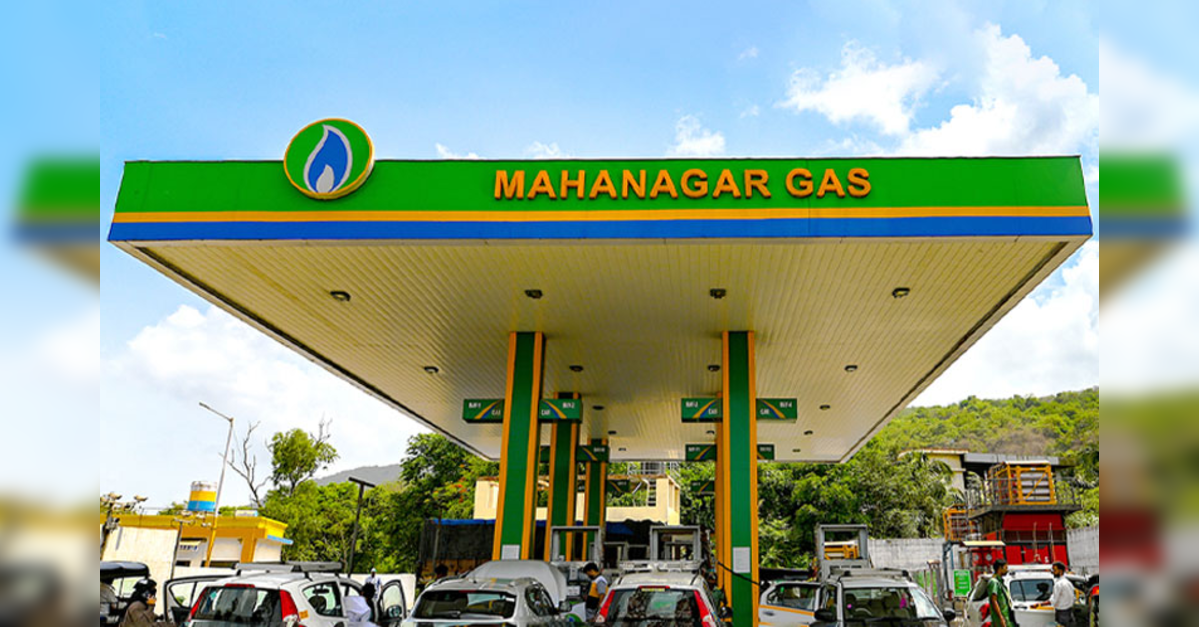
Mumbai-based natural gas distribution major, Mahanagar Gas Limited (MGL), a key subsidiary of public sector giant GAIL, is embarking on a significant strategic pivot, earmarking approximately ₹1,500 crore, in conjunction with its partners, to establish a battery manufacturing facility and a compressed biogas (CBG) production plant over the next two years. This ambitious investment signals a clear intent to diversify its operational base beyond conventional fossil fuels, positioning the company for growth in India’s rapidly evolving clean energy landscape.
MGL’s Strategic Shift Towards New Energy Horizons
In an environment increasingly shaped by governmental imperatives for cleaner mobility solutions, MGL’s Managing Director, Ashu Shinghal, articulated the company’s proactive stance. The move represents a determined expansion into non-fossil fuel options, with substantial capital allocated for new energy segments. This strategic redirection is not arbitrary; it stems from an in-depth study conducted with Boston Consulting Group (BCG).
Shinghal emphasized the critical need for this diversification, noting that nearly 70% of MGL’s current revenues are derived from Compressed Natural Gas (CNG). The BCG study evidently underscored the imperative to secure future growth by actively participating in at least one non-fossil fuel-related segment. This foresight reflects a pragmatic understanding of the long-term trajectory of energy consumption and the need for traditional oil and gas players to adapt to sustainable alternatives.
Forging Ahead in Battery Manufacturing: A Giga Factory Initiative
A cornerstone of MGL’s new energy strategy is its venture into large-scale battery production. The company has already solidified a joint venture with the US-based International Battery Company (IBC) to construct a state-of-the-art giga factory in Karnataka. This facility is poised to be a significant player in India’s burgeoning electric vehicle (EV) ecosystem.
Government support for this initiative is evident, with land allocation for the project already finalized. Construction activities are slated to commence later this quarter, signaling rapid progress. The partners anticipate the facility will be fully commissioned by the close of the upcoming year. The total investment for this giga factory is projected at around ₹900 crore, with MGL and IBC contributing in proportion to their respective stakes in the joint venture, which stands at a 40:60 ratio, respectively. This substantial investment highlights the conviction in the long-term demand for advanced battery technology, crucial for everything from personal EVs to grid storage solutions.
Venturing into Compressed Biogas Production
Beyond battery manufacturing, MGL is also setting its sights on compressed biogas (CBG) production. While specific details regarding partners or locations for the CBG facility were not elaborated upon in the initial announcement, this move aligns perfectly with India’s broader energy transition goals and MGL’s existing expertise in gas distribution. CBG, derived from organic waste, offers a renewable and sustainable alternative to natural gas, capable of being used as a transportation fuel or injected into the existing gas grid.
This initiative underscores a commitment to circular economy principles, transforming waste into valuable energy. For investors focused on oil and gas investing, MGL’s foray into CBG represents an attractive diversification into a clean energy segment that leverages its core competencies while addressing environmental concerns. The potential for synergistic benefits, such as utilizing existing infrastructure for distribution, could provide a competitive edge.
Implications for Investors and the Broader Energy Sector
Mahanagar Gas’s strategic investments represent a crucial step for a company traditionally entrenched in natural gas distribution. For investors tracking the oil and gas sector, this move signals a proactive embrace of the energy transition, potentially de-risking MGL’s future revenue streams from an over-reliance on fossil fuels. The ₹1,500 crore commitment, while substantial, is a forward-looking investment designed to capture growth opportunities in segments poised for exponential expansion.
The pivot into battery manufacturing places MGL squarely in the path of the electric vehicle revolution, a sector receiving immense government backing and private investment in India. The giga factory in Karnataka positions MGL to capitalize on the increasing domestic demand for lithium-ion batteries and other advanced cell technologies. Similarly, the push into compressed biogas taps into the country’s vast agricultural and municipal waste resources, providing a sustainable fuel source and contributing to energy security.
This diversification strategy could enhance MGL’s environmental, social, and governance (ESG) profile, making it a more attractive proposition for sustainability-focused investors. As India accelerates its clean energy targets and promotes cleaner mobility, companies that actively transition their portfolios are likely to garner favor. MGL’s journey reflects a broader trend among legacy energy companies adapting to new market realities, ensuring long-term viability and unlocking new avenues for value creation for shareholders.
The leadership’s clarity, informed by a rigorous study, indicates a well-thought-out plan rather than a reactive measure. This proactive approach to growth opportunities in non-fossil fuel segments could set a precedent for other gas distribution companies in the region, highlighting the strategic imperative of adaptability in a dynamic global energy market. Investors will closely watch the execution of these projects, particularly the commissioning of the giga factory and the development of the CBG facility, as key milestones in MGL’s transformational journey.


