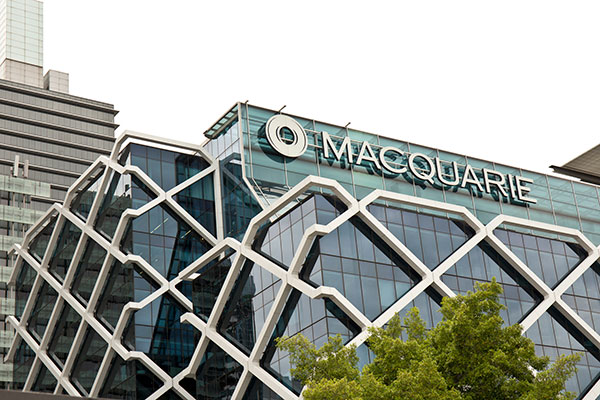
Macquarie Asset Management’s substantial $7.5 billion bid for Qube Holdings signals a compelling strategic play in global logistics, particularly within the energy and commodities sector. This proposed acquisition of Australia’s largest port and intermodal operator has sent Qube’s stock soaring, reflecting the market’s recognition of the underlying value in essential trade infrastructure. For investors navigating volatile energy markets, this move highlights a critical theme: the enduring appeal of physical assets that underpin global trade flows, even as commodity prices experience significant fluctuations.
Macquarie’s Bold Bet on Australian Logistics Infrastructure
The offer of $3.45 per share in cash, representing a robust 28% premium over Qube’s last closing price, demonstrates Macquarie’s conviction in the long-term prospects of the Australian logistics sector. Qube’s extensive portfolio, encompassing freight terminals, bulk handling facilities, rail services, and crucial import/export operations across the continent, forms the backbone of Australia’s trade economy. This isn’t Macquarie’s first attempt, but the current bid, backed by an exclusivity agreement for due diligence extending through early February, suggests a determined push to secure these vital assets. Industry watchers globally are noting this deal, recognizing it as potentially one of the largest logistics acquisitions of the year, underscoring a broader investment trend: a flight to quality in tangible infrastructure that facilitates real-world trade, offering a degree of stability amidst macroeconomic uncertainties.
Navigating Crude Volatility: The Interplay of Energy Markets and Trade Logistics
While the Macquarie-Qube deal focuses on physical logistics, its success and long-term value are inextricably linked to the health of global trade and, by extension, energy markets. As of today, Brent crude trades at $90.64 per barrel, marking a significant 8.8% decline within the day, with its price range oscillating between $86.08 and $98.97. Similarly, WTI crude has seen an 8.87% drop, settling at $83.08 per barrel, with gasoline prices also down over 5% to $2.93. This recent downturn follows a broader trend over the past two weeks, where Brent crude has shed over 12% of its value, falling from $112.57 on March 27th to $98.57 just yesterday. Such pronounced shifts in crude prices naturally raise questions among investors about the broader economic outlook and trade volumes. Our proprietary data indicates that investors are keenly focused on understanding future price trajectories, with a common query being, “what do you predict the price of oil per barrel will be by end of 2026?” While short-term volatility in crude prices can influence shipping costs and commodity demand, the long-term strategic value of Qube’s assets lies in their fundamental role in handling diverse cargo, including essential energy-related bulk materials. A robust logistics network like Qube’s can provide resilience against transient market fluctuations, ensuring continuity of trade even during periods of price discovery in the energy sector.
Upcoming Events and Regulatory Roadblocks: What Investors Need to Watch
The path to completing this major acquisition is not without its hurdles, and investors must monitor several key timelines and external market factors. The exclusivity period for Macquarie’s due diligence runs until February 1st, a critical window during which other potential bidders could emerge, potentially sparking a competitive process. Beyond this, the deal faces significant regulatory scrutiny. Australia’s Foreign Investment Review Board and competition regulators are slated to review the proposal in early 2026, a process that can be lengthy and complex. Concurrently, the broader energy market will be shaped by a series of high-impact events in the coming weeks. The OPEC+ Joint Ministerial Monitoring Committee (JMMC) and the full Ministerial Meeting are scheduled for tomorrow and Saturday, respectively. These gatherings are pivotal for setting production quotas, directly influencing global oil supply and price stability. Following these, weekly reports from the API and EIA on crude inventories, alongside the Baker Hughes Rig Count, will offer crucial insights into demand trends and upstream activity. These events, particularly those impacting global crude prices, can influence the economic environment in which Qube operates, affecting trade volumes and the profitability of its bulk handling and intermodal services. Investors seeking to understand the resilience of such infrastructure plays will be looking for stability, or at least predictability, from these market-moving announcements.
The Long-Term Play: Unlocking Value in Essential Trade Corridors
Macquarie’s aggressive pursuit of Qube underscores a strategic focus on assets that offer long-term, stable returns, largely insulated from the day-to-day gyrations of commodity prices. While the oil and gas sector experiences its inherent volatility, as evidenced by recent Brent and WTI price drops, the infrastructure that moves those commodities and countless other goods remains indispensable. Qube’s operations are fundamental to Australia’s import and export economy, connecting producers to global markets and consumers. The 28% premium offered suggests Macquarie sees significant untapped value and synergy within Qube’s diversified assets. For investors, this deal serves as a reminder of the strategic importance of core logistics infrastructure. It’s a bet on the continued growth of global trade, even if the precise trajectory of energy prices, a frequent concern among our readers who often inquire about OPEC+ production quotas, remains dynamic. The success of this acquisition, and its ultimate impact on Macquarie’s portfolio, will hinge on navigating the regulatory landscape and seamlessly integrating Qube’s extensive network to capitalize on Australia’s role in the global supply chain.