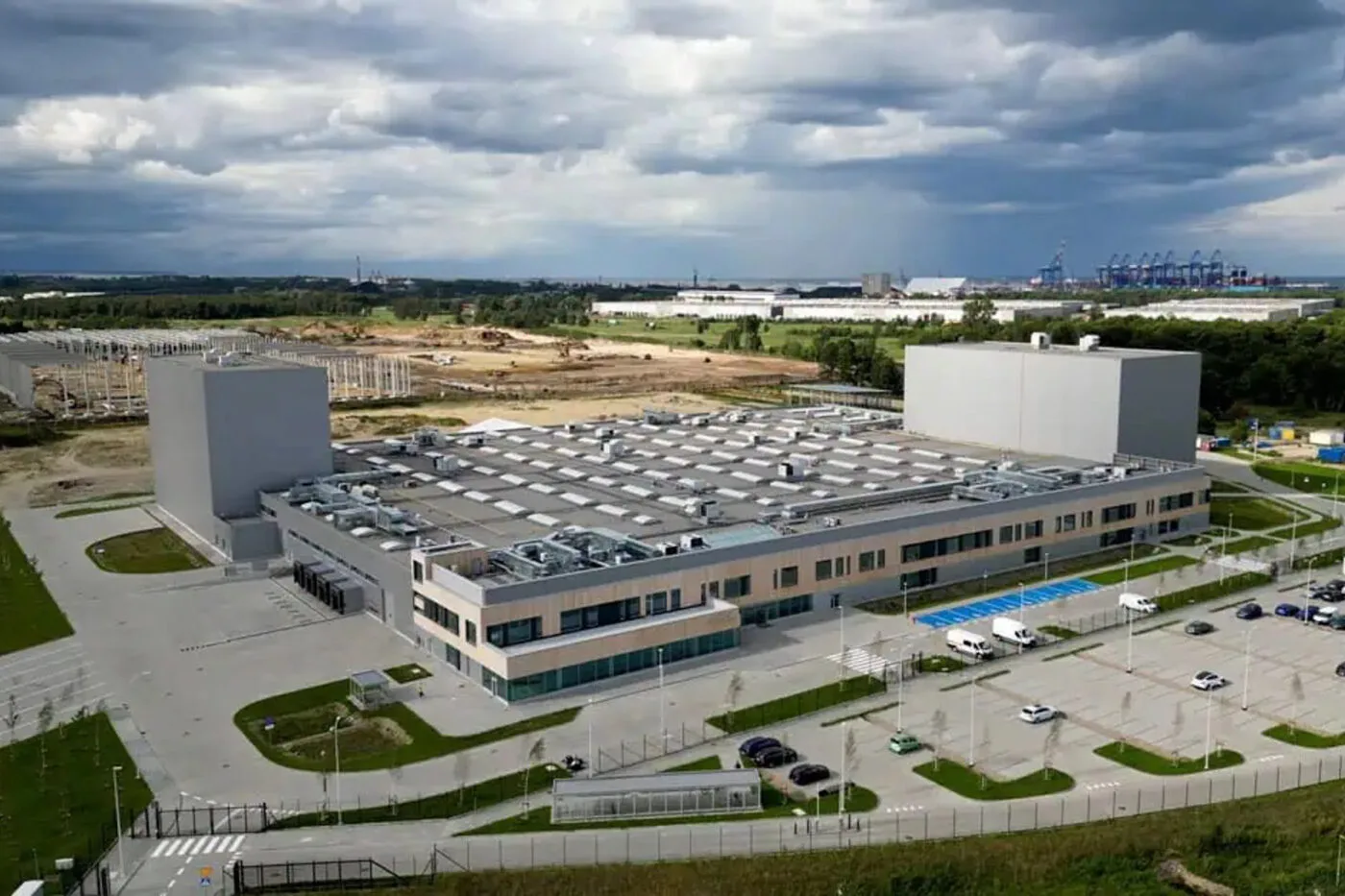
The recent revelation of Lyten’s revised strategy for the Heide battery cell factory, following its intent to acquire Northvolt’s assets, marks a significant moment for investors monitoring the energy transition landscape. While the initial announcement of Lyten’s takeover of Northvolt’s Swedish and German sites created considerable buzz, the detailed plans shared with the Schleswig-Holstein state government paint a picture of measured ambition. CEO Dan Cook’s presentation indicates a strategic recalibration for Heide, moving away from Northvolt’s initial gigafactory blueprint towards a phased, modular approach incorporating diverse chemistries, including Lyten’s proprietary lithium-sulfur technology. This pivot, characterized by a smaller projected workforce and an emphasis on private funding, offers crucial insights for oil and gas investors navigating the evolving energy ecosystem and evaluating the economic realities of decarbonization efforts.
Strategic Re-evaluation in Battery Production: A Phased Approach
Lyten’s decision to adopt a “phased and modular approach” for the Heide facility, rather than pursuing Northvolt’s ambitious 15 GWh gigafactory capacity from the outset, reflects a pragmatic response to the complexities of large-scale battery manufacturing. The inclusion of various chemistries, from conventional NMC lithium-ion to Lyten’s innovative lithium-sulfur technology, signals a dual strategy: leveraging established battery designs while also pursuing next-generation solutions. For investors, this diversified technological pathway carries both opportunities and risks. Lithium-sulfur batteries promise higher energy density and potentially lower material costs, reducing reliance on critical raw materials like cobalt and nickel, which are often subject to supply chain volatility and geopolitical pressures. However, scaling new battery chemistries to commercial production presents significant technical and economic hurdles. The “intelligent, data-driven manufacturing strategy” touted by Lyten suggests a focus on operational efficiency and optimization, which is paramount for profitability in a highly competitive sector. This approach could mitigate some of the risks associated with rapid, unproven expansion, a lesson perhaps learned from the challenges faced by some early-stage gigafactory projects.
Financial Prudence Amidst Market Volatility
Perhaps the most salient detail for investors is Lyten’s scaled-back job creation target of 1,000 positions, a significant reduction from Northvolt’s original projection of 3,000. This, coupled with the absence of concrete production capacity figures, underscores a more cautious financial outlook. The financing strategy for Heide also bears scrutiny. While the federal and state governments had initially pledged €700 million in funding for Northvolt, this capital cannot simply be transferred. Lyten CEO Dan Cook’s emphasis on the company’s tradition of raising private capital and the importance of private funding for development activities resonates with a preference for self-reliance. Yet, Cook also expressed an expectation for European Union tech programs, highlighting that even established private entities look for strategic public support in capital-intensive ventures. This cautious approach to financing and scaling reflects broader macroeconomic headwinds. As of today, Brent crude trades at $90.38 per barrel, marking a sharp decline of 9.07% over the past day and a substantial 19.9% drop from its $112.78 peak on March 30th. Similarly, WTI crude stands at $82.59, down 9.41% today. This significant correction in the global crude market, coupled with gasoline prices at $2.93 per gallon (-5.18%), signals a pervasive environment of market uncertainty and potential demand recalibration. Such volatility inevitably tightens capital markets and increases the hurdle rate for large-scale industrial projects, including those central to the energy transition.
Investor Focus and Forward-Looking Catalysts
Our proprietary data indicates that OilMarketCap.com readers are currently grappling with significant questions about the future of energy markets, with queries like “what do you predict the price of oil per barrel will be by end of 2026?” and “What are OPEC+ current production quotas?” dominating investor intent. Lyten’s measured approach to the Heide facility, while focused on battery technology, directly feeds into this larger narrative of energy investment and future demand. The success and scaling of such battery manufacturing hubs will ultimately influence the pace of EV adoption and, by extension, long-term oil demand. For investors, this requires a keen eye on upcoming market catalysts. The OPEC+ JMMC Meeting on April 19th, followed by the OPEC+ Ministerial Meeting on April 20th, will provide critical insights into supply-side dynamics. Any shifts in production quotas could significantly impact crude prices, creating ripple effects across the entire energy complex and influencing capital allocation decisions for both traditional and new energy projects. Furthermore, weekly data releases such as the API Crude Inventory on April 21st and 28th, the EIA Weekly Petroleum Status Report on April 22nd and 29th, and the Baker Hughes Rig Count on April 24th and May 1st, will continue to offer crucial indicators of current demand, supply-side activity, and upstream investment trends. These macroeconomic signals, while seemingly distant from a single battery factory, collectively shape the investment climate in which projects like Lyten’s must secure funding and demonstrate viability, thereby impacting the long-term energy transition trajectory.
Implications for Oil & Gas Investment Portfolios
Lyten’s strategic pivot at Heide serves as a microcosm of the broader challenges and evolving strategies within the energy transition. The shift from an aggressive gigafactory build-out to a more modular, technology-diverse, and privately financed model underscores the increasing realism penetrating the green energy sector. For oil and gas investors, this signifies that the transition will likely be more gradual and capital-intensive than some initial projections suggested, demanding robust technological differentiation and sound financial planning. The emphasis on private capital, coupled with the expectation of European tech program support, highlights the ongoing dance between private innovation and public policy in driving the energy future. As traditional energy markets experience volatility, exemplified by recent crude price corrections, the competitive landscape for capital intensifies. Savvy investors will continue to monitor not only the direct performance of oil and gas assets but also the nuanced developments in alternative energy, recognizing that the long-term success of ventures like Lyten’s will contribute to the eventual reshaping of global energy demand. Understanding these strategic adjustments in the battery supply chain is crucial for constructing resilient portfolios that can navigate the complexities of both incumbent and emerging energy markets.