LPG Supply Shocks: A Microcosm of Global Energy Volatility for Astute Investors
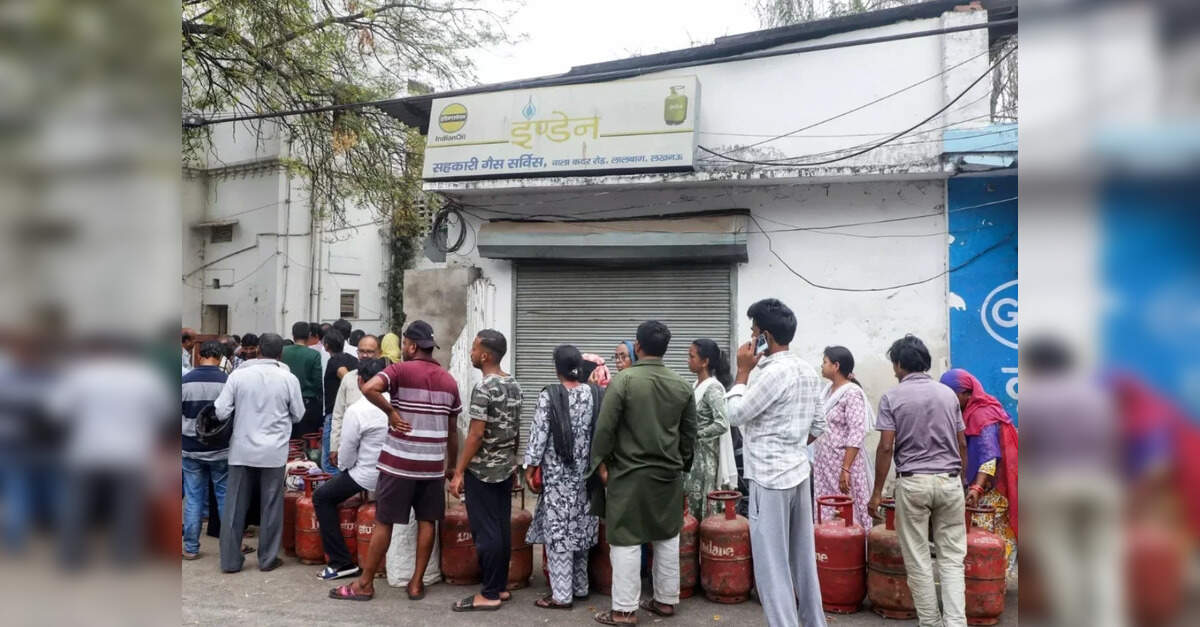
While global headlines often fixate on crude oil benchmarks, localized energy disruptions can offer critical insights into underlying market fragilities and future investment opportunities. The recent irregular supply of Liquefied Petroleum Gas (LPG) in Delhi, a major urban center, serves as a stark reminder of how essential refined products are to daily life and economic stability. This situation, leading to police intervention to prevent hoarding and black marketing, highlights not just a humanitarian issue but a significant operational risk for businesses and a potential catalyst for shifts in regional energy demand. For investors tracking the intricate dynamics of the energy sector, understanding these localized pressures is paramount, as they often foreshadow broader market trends and reveal the resilience – or vulnerability – of energy supply chains.
Localized Pressure Points: Delhi’s LPG Crisis and Its Economic Ripples
The core of the issue in Delhi revolves around inconsistent LPG cylinder availability, prompting authorities to deploy personnel to monitor gas agencies, ensure equitable distribution, and crack down on illegal refilling and black marketing. This isn’t merely a logistical hiccup; it’s a critical supply chain failure impacting both households and commercial entities. Restaurants and cafes, heavily reliant on LPG for their daily operations, have been particularly hard-hit, forcing them to limit menu options or pivot to alternative cooking methods like piped natural gas (PNG) or induction. The directives for police vigilance against illegal refilling also underscore a serious safety hazard, as unauthorized filling stations pose significant risks of fire incidents and explosions, adding a regulatory and safety layer to the economic disruption. For investors, this scenario highlights the operational risks for businesses in affected regions and the potential for a forced energy transition, even if localized and crisis-driven.
Crude Benchmarks & Refined Product Disconnect: What Market Data Reveals
The localized LPG crisis in Delhi unfolds against a backdrop of global crude markets experiencing some recent price cooling. As of today, Brent crude trades at $92.85, reflecting a modest daily dip of 0.42% within a range of $92.57-$94.21. Similarly, WTI crude sits at $89.39, down 0.31% for the day, trading between $88.76 and $90.71. This daily movement follows a more significant retreat over the past two weeks, with Brent having shed $7.07, or 7%, from $101.16 on April 1st to $94.09 yesterday. Gasoline prices have also seen a slight decline, currently at $3.11, down 0.64%. While these benchmark crude prices have eased, the persistent LPG shortage in a major demand center like Delhi underscores a potential disconnect: lower crude prices do not automatically translate to stable and affordable refined product supply at the local level. Investors keenly asking about the direction of WTI should note that while crude futures might show some bearish sentiment, underlying regional demand for specific products like LPG remains robust, creating localized price pressures that can still impact downstream margins and demand for alternative fuels. This situation highlights that supply chain bottlenecks, infrastructure limitations, and regulatory interventions can create significant price and availability disparities even when upstream crude markets soften.
Forward-Looking Catalysts: Upcoming Events and Their Impact on Energy Flows
To fully grasp the potential trajectory of the energy market and its implications for localized crises like Delhi’s LPG shortage, investors must keep a close eye on upcoming macro and micro events. The next two weeks are packed with critical data releases that will shape overall energy sentiment. Investors should closely monitor the EIA Weekly Petroleum Status Reports on April 22nd and April 29th, as well as the API Weekly Crude Inventory releases on April 28th and May 5th. These reports will provide crucial insights into broader crude and product inventories across the United States, which can indirectly influence global refinery runs and, consequently, the supply and pricing of LPG and other refined products. Furthermore, the Baker Hughes Rig Count on April 24th and May 1st will offer an early look into North American upstream activity, a key determinant of future supply. Perhaps most pivotal will be the EIA Short-Term Energy Outlook on May 2nd, which will offer revised forecasts for global supply, demand, and prices across the entire energy complex. Any unexpected tightening or loosening of crude or natural gas markets highlighted by these events could either exacerbate the price pressures on LPG or provide some relief, influencing the operational costs for businesses and the broader investment landscape for energy companies.
Investor Perspective: Identifying Opportunities Amidst Disruption
Our proprietary intent data reveals that investors are actively seeking insights into the future trajectory of oil prices and the performance of integrated energy companies. While the specific question about Repsol’s performance in April 2026 points to interest in diversified players, the broader theme is about resilience and adaptation in a volatile energy market. The Delhi LPG crisis, while local, offers several key takeaways for investors. First, it underscores the value of robust, diversified energy infrastructure. Companies with strong logistics, diversified supply sources, or a significant presence in alternative fuels like piped natural gas stand to benefit as consumers and businesses seek more reliable energy options. Second, the forced shift by restaurants to PNG or induction cooking suggests a potential acceleration in demand for natural gas distribution networks and electricity providers in affected regions. Investors should examine utilities and infrastructure companies that could capitalize on this transition. Finally, the crisis serves as a reminder of the geopolitical and regulatory risks inherent in energy markets. Companies operating in regions with fragile supply chains or high regulatory intervention face increased operational and reputational risks. Astute investors will prioritize companies demonstrating strong governance, diversified asset bases, and a clear strategy for navigating both global energy trends and localized supply shocks, ensuring long-term value creation in an increasingly complex energy landscape.


