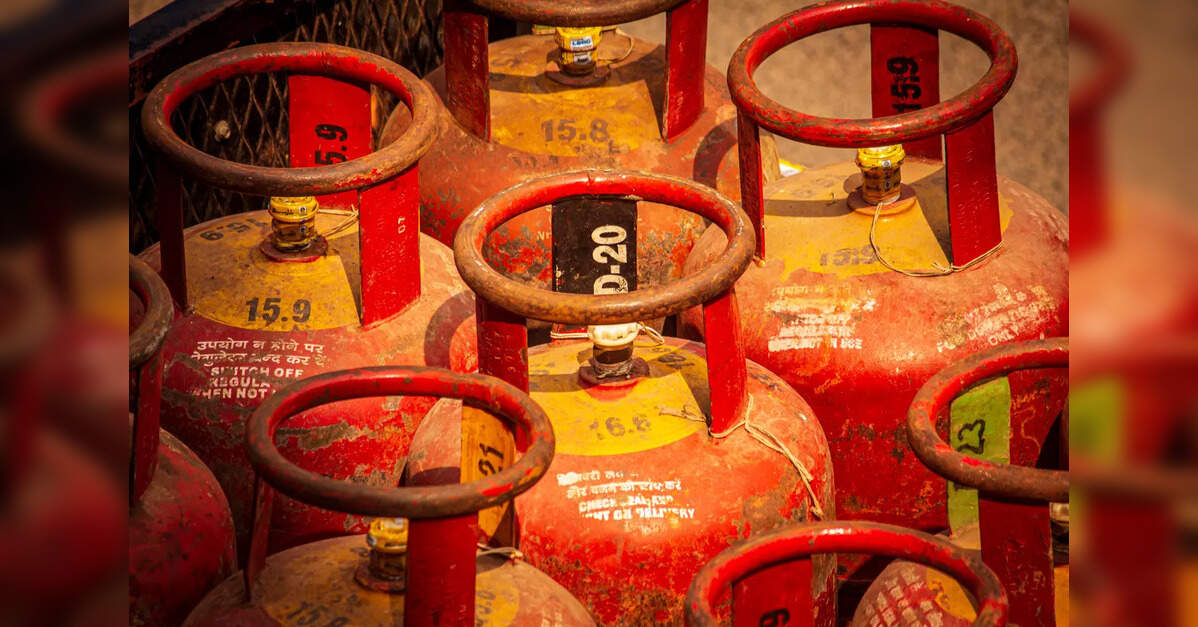
The energy market narrative continues to unfold with compelling contradictions, presenting both challenges and opportunities for discerning investors. While the start of the year saw commercial Liquefied Petroleum Gas (LPG) prices surge to a 19-month high, reflecting robust demand and specific market pressures, the aviation sector received a welcome reprieve with a significant cut in Aviation Turbine Fuel (ATF) costs. These divergent movements, stemming from monthly price revisions, offer a microcosm of the complex interplay between global benchmarks, regional demand dynamics, and the underlying volatility in crude markets. For investors, understanding these nuanced shifts is paramount for strategic positioning in the evolving energy landscape.
The Commercial LPG Rally: A Demand-Driven Spike
The upward trajectory of commercial LPG prices at the start of the year was a notable development, with a 19-kg commercial cylinder increasing by a steep ₹111 to ₹1,691.50 in Delhi. This surge propelled prices to their highest level since June of the previous year, highlighting the persistent strength in specific refined product markets. The primary driver, as observed by analysts, was the pronounced winter heating requirement in global markets, which typically tightens LPG supply and pushes benchmarks higher. Despite recent monthly reductions, the overall trend signals a robust demand environment for this versatile fuel, particularly in sectors like hospitality and industry. Investors should recognize that while crude oil often dominates headlines, the fundamentals of individual refined products can carve out distinct price paths, driven by seasonal patterns, regional consumption, and specific supply chain efficiencies. The consistent demand for commercial LPG underscores its inelasticity in critical sectors, offering a degree of stability for producers and distributors even amid broader market fluctuations.
Aviation Fuel Finds Relief Amidst Shifting Crude Dynamics
In contrast to LPG’s ascent, the aviation sector experienced a significant easing of cost pressures, as ATF prices were reduced by 7.3%, translating to a cut of ₹7,353.75 per kilolitre in Delhi, bringing the price to ₹92,323.02 per kl. This reduction, following several rounds of hikes in late 2025, represents a crucial relief for airlines, where fuel can account for nearly 40% of operating expenses. The driving force behind this moderation in jet fuel prices is directly linked to the broader softening of global crude benchmarks. As of today, Brent crude trades at $90.38 per barrel, marking a 0.06% dip on the day, within a range of $93.87-$95.69. This current pricing represents a significant shift from its position on March 31, when Brent was at $118.35, illustrating a nearly 20% decline over the last 14 days alone. Similarly, WTI crude stands at $86.68 per barrel, down 0.85%. This substantial crude price correction, which began to take hold even in the early months of the year, has directly translated into lower input costs for jet fuel, offering a much-needed tailwind for airline profitability and potentially stimulating increased air travel demand.
Upcoming Catalysts and the Investor’s Forward View
Investors are keenly observing the horizon for signals that will shape the trajectory of crude and refined products throughout 2026. Many of our readers are asking about the future direction of WTI and what the price of oil per barrel will be by the end of the year, highlighting the pervasive uncertainty. The next two weeks are packed with critical events that could introduce significant volatility or confirm existing trends. Today, April 21, the OPEC+ Joint Ministerial Monitoring Committee (JMMC) meeting is underway, and any indications regarding production quotas or supply discipline will immediately reverberate across the market. Following this, the EIA Weekly Petroleum Status Reports on April 22 and April 29 will provide crucial insights into U.S. crude oil and product inventories, offering a barometer of demand and supply balances. The Baker Hughes Rig Count reports on April 24 and May 1 will signal future production trends from North American shale plays. Additionally, API Weekly Crude Inventory data on April 28 and May 5 will offer an early look at U.S. stock levels. Perhaps most impactful for the longer-term outlook, the EIA Short-Term Energy Outlook (STEO) due on May 2 will furnish updated forecasts for global supply, demand, and prices, serving as a key reference point for investors attempting to project oil prices for the remainder of 2026. These events collectively form the immediate analytical framework for assessing future market direction.
Navigating Divergent Product Trends in a Volatile Crude Market
The recent market dynamics underscore a critical lesson for energy investors: crude oil prices, while foundational, do not always dictate the precise movements of all refined products. The simultaneous rise in commercial LPG and reduction in ATF prices, even as gasoline prices remain relatively stable around $3.04 per gallon, illustrates this divergence. While the overall crude price environment has softened, allowing for a 7.3% cut in jet fuel, specific product markets like LPG can still experience upward pressure due to distinct demand drivers such as seasonal heating needs. Furthermore, the continued freeze on domestic LPG, petrol, and diesel prices in certain markets, despite international fluctuations, highlights the influence of governmental policies and subsidy structures. For integrated oil and gas companies, this environment presents a challenge of balancing upstream crude profitability with downstream refining margins, which can be squeezed or expanded by these unique product-specific dynamics. Investors should therefore look beyond headline crude prices and delve into the granular supply-demand fundamentals of individual products to identify pockets of value and mitigate risks.
Strategic Positioning for 2026 and Beyond
As we advance through 2026, the energy sector remains a complex matrix of geopolitical risks, evolving demand patterns, and supply responses. While predicting the exact price of oil per barrel by year-end is challenging given the multitude of variables, the current environment points to continued volatility. Investors should strategically position themselves by focusing on companies with diversified portfolios, strong balance sheets, and operational efficiencies that can weather price swings in both crude and refined products. Companies with exposure to specific, high-demand product segments like LPG, which has demonstrated resilience, might offer defensive plays. Conversely, the relief in ATF prices could signal an attractive entry point for investments in the aviation sector or related logistics. Monitoring the upcoming OPEC+ decisions, EIA inventory reports, and the longer-term forecasts from the STEO will be crucial for refining investment theses. The ability to parse through these divergent trends and identify the underlying drivers of specific product markets, rather than solely relying on crude benchmarks, will be the hallmark of successful energy investing in the coming months.


