
From Thai curry pastes to biryani kits, ready-to-cook or nocook foods, and frozen snacks and veggies are flying off retail shelves and quick commerce carts, with up to 20 per cent increase in sales month-onmonth as households look to conserve scarce liquified petroleum gas (LPG), while companies have stepped up stocking and are extensively promoting such products.
“Categories such as ready meals, frozen snacks, instant noodles and ready-to-cook products have seen strong traction, leading to about a 10-12 per cent rise in this segment. While the surge appears temporary, we are proactively stocking these categories to ensure adequate availability,” said Karan Ahuja, spokesperson at premium grocery retailer Le Marche.
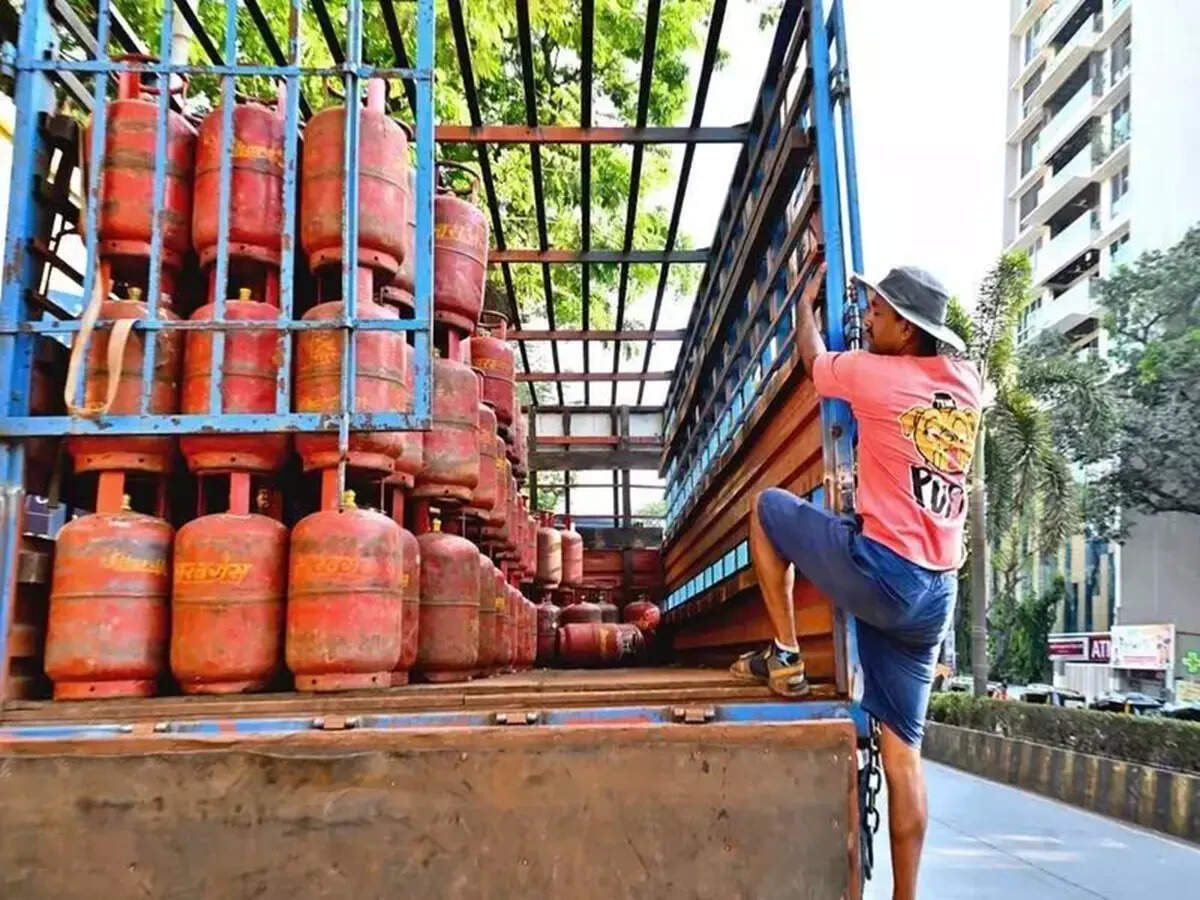
The current LPG crisis peaked a week back because of the ongoing Gulf War, which led to acute shortage of gas cylinders across restaurants, manufacturing plants, corporate and school cafeterias, and households.
“Our Thai curry ready-to-cook pastes are seeing the highest consumer sales for the first time since launch in two years. This may also lead to a long-term shift in consumer behaviour towards adapting ready-to-eat pastes even when things normalise,” said Deb Mukherjee, founder of Asian packaged ready-to-eat foods and condiments label Moi Soi. Over the weekend, Mother Dairy revived ads for its frozen vegetables range, while quick delivery platform Swiggy Instamart has started promotions for ‘induction-friendly’ cookware.
“We are consistently seeing significant traction for our ready-to-eat and ready-to-cook range. Moreover, if the shortage and uncertainty continue over the coming weeks or more, we expect the ready-to-eat category to see higher sales offtake,” a spokesperson for LT Foods, which makes Daawat ready-to-cook biryani kits and rice mixes, said.
Executives said the adoption of such categories, which peaked to high double-digit growth during Covid-19 lockdowns and then normalised to single-digits, may become the norm and here to stay as the scarcity of traditional cooking methods increase. Ankit Jha, founder and chief marketing officer at health and nutrition brand Doctor’s Choice, said: “Products such as protein oats and millet muesli are witnessing strong traction, making them particularly popular among working professionals and health-conscious individuals.”
While the ministry of petroleum and natural gas prioritised supplies of domestic cooking gas over commercial supplies on March 5, households across various cities have still been reporting shortages or markup in LPG cylinder prices by up to 30 per cent. The development also led to stock-outs of alternate cooking aids such as induction cooktops and electric cooking appliances.
“We have observed a sharp and immediate uptick in demand for induction cooktops over the past few days with our average daily run rate having surged to nearly three times the usual levels,” said Shibashish Roy, managing director at Infiniti Retail, which operates the Croma electronics and appliances retail chain.