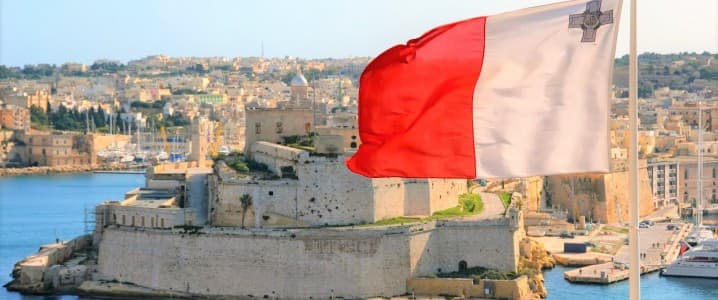
The global energy landscape just witnessed a significant, and potentially escalating, flashpoint with the reported explosion and fire aboard the Russian-flagged LNG tanker, Arctic Metagaz, in the Mediterranean. This incident, occurring between Malta and Libya, marks a severe escalation in maritime risk, particularly for the liquefied natural gas sector. While oil tankers have faced similar threats recently, this is the first known instance of an LNG carrier being caught in a conflict-related attack. For investors, this event injects a fresh, tangible geopolitical risk premium into energy markets, challenging recent price trends and demanding a re-evaluation of supply chain security and regional stability.
Geopolitical Risk Rerates Energy Markets
The destruction of the Arctic Metagaz, reportedly by a drone attack, immediately ratchets up the geopolitical risk associated with energy transit. LNG carriers, with their volatile cargo, have historically been considered too dangerous a target for direct strikes due to the catastrophic environmental and safety implications. This perceived immunity has now been shattered. As of today, Brent Crude trades at $90.38, while WTI Crude stands at $82.59. While both benchmarks show a 0% change intraday, indicating a moment of market digestion, the broader trend over the past two weeks has seen Brent decline by nearly 20%, from $112.78 on March 30 to its current level. This incident, however, could halt or even reverse that downward trajectory, as the market begins to price in heightened supply disruption risks. The Mediterranean, a critical artery for global energy flows, is now demonstrably a hotter zone, increasing insurance premiums and potentially forcing longer, more expensive re-routing options for carriers. This development underscores that the conflict’s tentacles are reaching further into crucial maritime infrastructure, challenging the stability of global energy supply chains.
Sanctions Evasion and Maritime Security Implications
Adding layers of complexity to this incident is the fact that the Arctic Metagaz was a sanctioned vessel, reportedly operating without its AIS tracker for a significant portion of its journey, a practice known as following a “gray route” to evade detection. This highlights the inherent risks of sanctions evasion, not only for the entities involved but for broader maritime security. The suspected drone attack, if confirmed, could be seen as a direct consequence of operating outside established maritime protocols and within conflict zones while under international scrutiny. For investors, this raises questions about the transparency and reliability of shipping data, the effectiveness of sanctions enforcement, and the potential for “shadow fleets” to become targets, creating ripple effects across legitimate shipping lanes. The incident serves as a stark reminder that the pursuit of cost savings or sanctions circumvention can lead to catastrophic outcomes, ultimately impacting global energy prices and the perceived security of all maritime trade.
Investor Questions and LNG Market Vulnerabilities
Our proprietary reader intent data reveals a consistent theme among investors this week: a keen interest in the future trajectory of oil prices, with common questions like “is WTI going up or down?” and “what do you predict the price of oil per barrel will be by end of 2026?” This LNG tanker incident directly feeds into these concerns. While crude oil prices have been influenced by broader macroeconomic factors and supply-demand balances, this event injects a specific, potent geopolitical catalyst. The destruction of an LNG carrier, even a sanctioned one, immediately highlights the vulnerability of the global LNG supply chain. European buyers, in particular, who have become increasingly reliant on LNG imports to offset Russian pipeline gas, will be closely watching. This incident could lead to a reassessment of LNG contract terms, shipping routes, and the overall security of supply, potentially driving up spot prices and long-term contract premiums. Investors must consider how this event impacts the risk profile of companies with significant LNG shipping operations or those heavily reliant on Mediterranean transit routes.
Navigating Future Volatility: Upcoming Events and Strategic Positioning
The timing of this incident is particularly pertinent as we approach several critical energy market events. The OPEC+ Joint Ministerial Monitoring Committee (JMMC) Meeting is scheduled for April 20, followed by the full OPEC+ Ministerial Meeting on April 25. While these meetings primarily focus on crude oil production quotas, the escalating geopolitical risk in a major energy transit region could certainly influence their deliberations and market sentiment leading into these decisions. Furthermore, the weekly API and EIA Crude Inventory reports (April 21, April 22, April 28, April 29) and the Baker Hughes Rig Count (April 24, May 1) will provide ongoing snapshots of supply and demand dynamics, but their impact might now be overshadowed by the new geopolitical premium. Investors should prepare for increased volatility, particularly in energy futures. Strategic positioning may involve favoring integrated energy companies with diversified asset bases and robust risk management frameworks, or considering hedging strategies against potential supply shocks. The market’s interpretation of this incident, combined with the outcomes of the upcoming OPEC+ meetings, will be crucial in determining the near-term trajectory of global energy prices and the long-term risk assessment for maritime energy transport.


