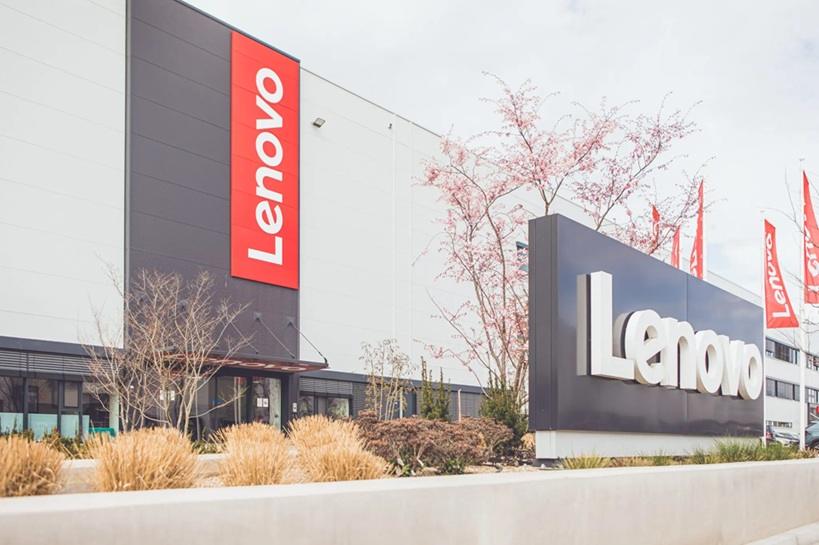
The intensifying focus on Environmental, Social, and Governance (ESG) factors continues to reshape corporate strategies across every industry, and the energy sector is feeling the brunt of this paradigm shift more acutely than most. While headlines often spotlight the direct emissions of oil and gas giants, a recent announcement from global technology powerhouse Lenovo serves as a stark reminder that ESG scrutiny is pervasive, extending even to the seemingly less carbon-intensive realms of IT infrastructure. This development underscores a crucial trend for energy investors: if tech leaders are compelled to offer “green” solutions for their customers’ digital footprints, the pressure on hydrocarbon producers to demonstrate tangible decarbonization efforts is monumental and non-negotiable.
Lenovo recently unveiled its TruScale Device as a Service (DaaS) for Sustainability, an innovative offering engineered to assist organizations in significantly reducing the carbon impact and associated costs of their IT assets. This move by a leading hardware provider is not merely a product launch; it’s a direct response to evolving market demands where sustainability is now inextricably linked with operational efficiency and, crucially, investor confidence. For stakeholders in the oil and gas industry, this initiative from the tech world provides a potent barometer of the prevailing market sentiment and the escalating expectations for corporate environmental responsibility.
ESG Imperative Driving Tech Innovation and Energy Strategy
Integrated within Lenovo’s broader TruScale DaaS ecosystem, this new sustainability-focused solution spans the entire lifecycle of IT devices. From the initial advisory phase through implementation, ongoing support, active management, and ultimately, responsible retirement and refreshing of hardware, the service aims to curtail emissions, recapture residual value, and minimize electronic waste. This holistic approach to resource management mirrors the comprehensive lifecycle analysis that energy companies are increasingly expected to perform, from wellhead to burner tip. The emphasis on circularity and waste reduction, articulated by Lenovo, highlights a broader corporate ethos that is gaining traction and influencing capital allocation decisions across all sectors, including energy.
According to John Stamer, Vice President and General Manager of Global Product Services at Lenovo, enterprises are fundamentally re-evaluating IT management, prioritizing not just performance metrics but also purpose-driven outcomes. His assertion that the future of IT is “circular by default, intelligent by design, and accountable by outcome” resonates deeply within the investment community now scrutinizing the energy sector. For oil and gas companies, this translates into a demand for transparent, verifiable strategies that address operational emissions, methane leakage, water usage, and land footprint, ensuring accountability for environmental impact alongside financial performance. The days of solely focusing on barrels produced or reserves added are rapidly receding, replaced by a more nuanced assessment of sustainable growth.
Operationalizing Sustainability: Lessons for Hydrocarbon Producers
Key features of Lenovo’s new offering provide valuable insights into the mechanisms companies are employing to meet ESG targets, mechanisms that energy firms might adapt or are already pursuing. The integrated Carbon Impact Portal, for instance, delivers real-time, device-level data critical for robust ESG reporting. For oil and gas operators, similar granular data on emissions from flaring, venting, and fugitive sources, presented transparently, is becoming a prerequisite for attracting institutional capital. Investors are no longer satisfied with broad statements; they demand auditable metrics that underpin decarbonization pledges.
Furthermore, the provision of Certified Refurbished Devices by Lenovo aims to lower refresh costs while simultaneously shrinking the carbon footprint. This concept of extending asset life and valorizing existing infrastructure offers a parallel for the energy sector. Strategies for optimizing existing upstream and downstream assets, enhancing energy efficiency in operations, and exploring carbon capture, utilization, and storage (CCUS) solutions for legacy facilities all contribute to a similar goal: reducing environmental impact without always resorting to entirely new, carbon-intensive build-outs. The focus on cost reduction through sustainable practices, as highlighted by Lenovo, is a universal language that appeals to all corporate treasurers.
The inclusion of CO2 Offset Services, compensating for lifecycle emissions, provides another angle. While offsets are often viewed as an interim measure, they represent a tangible acknowledgment of responsibility for emissions. For energy companies, investing in nature-based solutions or certified carbon capture projects can complement direct emissions reductions, offering a pathway to mitigate unavoidable residual emissions. Lastly, Asset Recovery Services, facilitating secure decommissioning and residual value recovery, echoes the growing imperative for responsible well abandonment and decommissioning of offshore platforms and pipelines in the oil and gas industry, ensuring environmental integrity and maximizing economic value from retired assets.
Lenovo projects that its service can lead to significant reductions in device emissions through options like extending product life, refurbishing hardware, and offsetting emissions across the entire lifecycle. This comprehensive approach to managing environmental impact is precisely what investors expect from the energy sector. The pressure on oil and gas firms is not just to reduce their direct operational emissions but to consider the full scope 3 emissions, including the end-use of their products, and to articulate a credible transition strategy.
Rakshit Ghura, Vice President and General Manager of Digital Workplace Solutions at Lenovo, articulated the dual challenge facing Chief Information Officers: delivering both business performance and sustainability progress. He emphasized that Lenovo TruScale DaaS for Sustainability addresses this demand with “data-driven, circular IT that helps simplify decision-making and and unlock ROI from day one.” This statement resonates profoundly within the energy investment landscape. Oil and gas executives are increasingly tasked with demonstrating how sustainability initiatives are not merely compliance burdens but genuine drivers of long-term value creation and competitive advantage. The ability to articulate a clear return on investment (ROI) for decarbonization strategies, efficiency upgrades, and renewable energy ventures is paramount for securing capital in today’s ESG-centric financial markets. The tech world’s proactive response to ESG demands serves as a powerful indicator of the strategic imperative facing every sector, with the energy industry under particularly intense scrutiny to adapt, innovate, and deliver on its sustainability commitments.


